
Fascia Exercises with PandaFit
33 effective exercises for targeted self-massage – developed by physiotherapists, tailored to your PandaFit product.
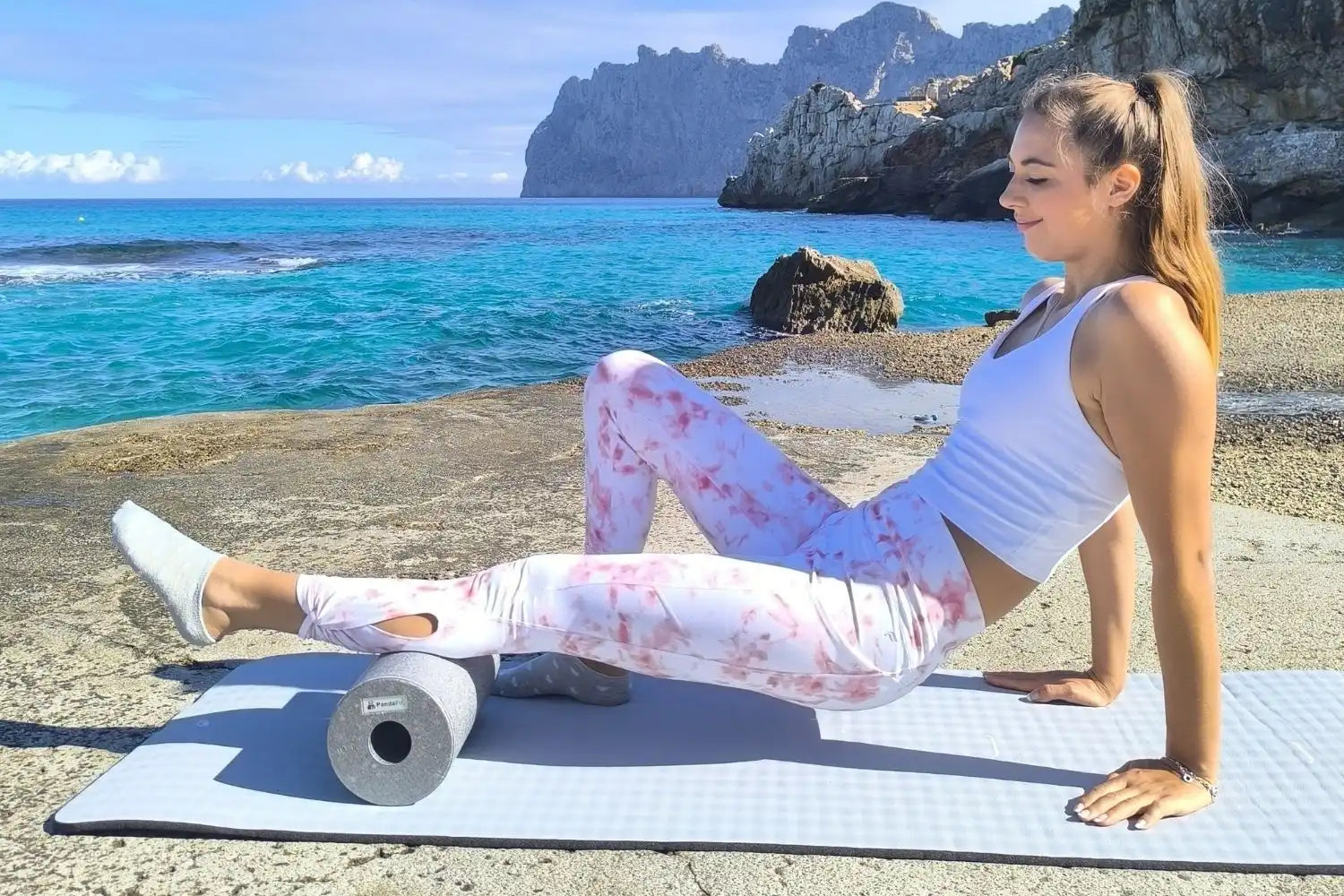
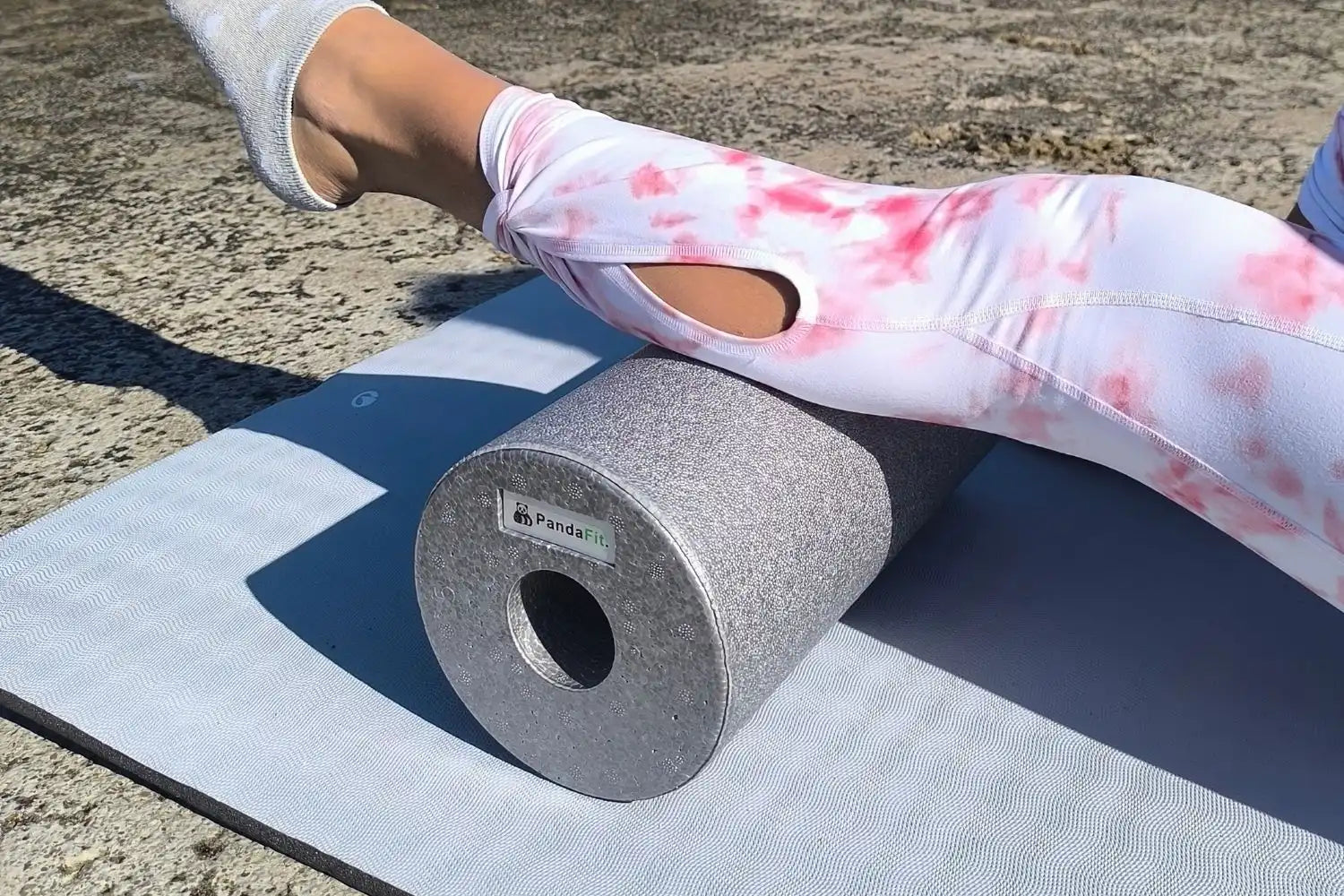
Calves (Recovery)
Broad-surface massage of the calves – boosts circulation and recovery after exercise or long periods of standing.
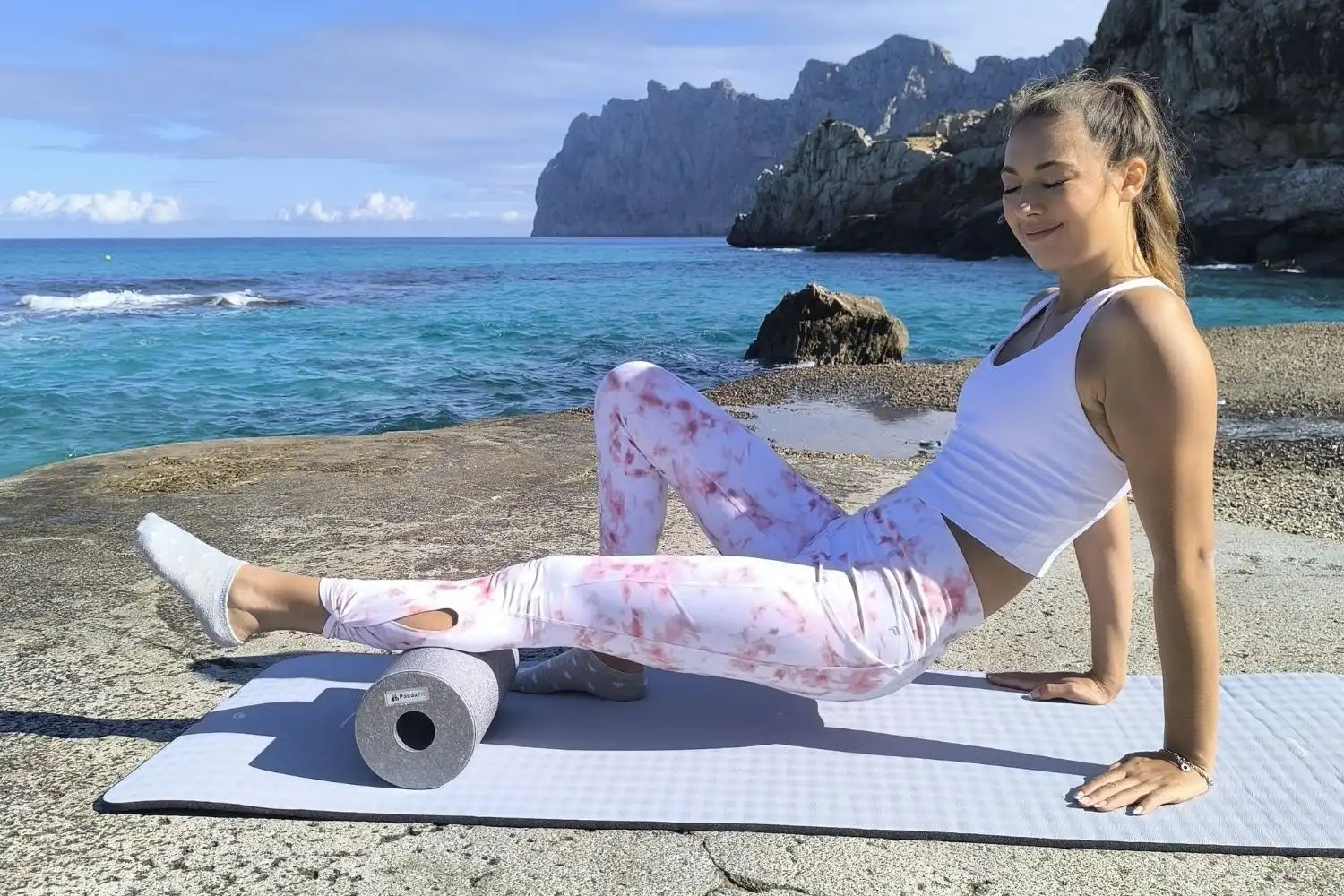
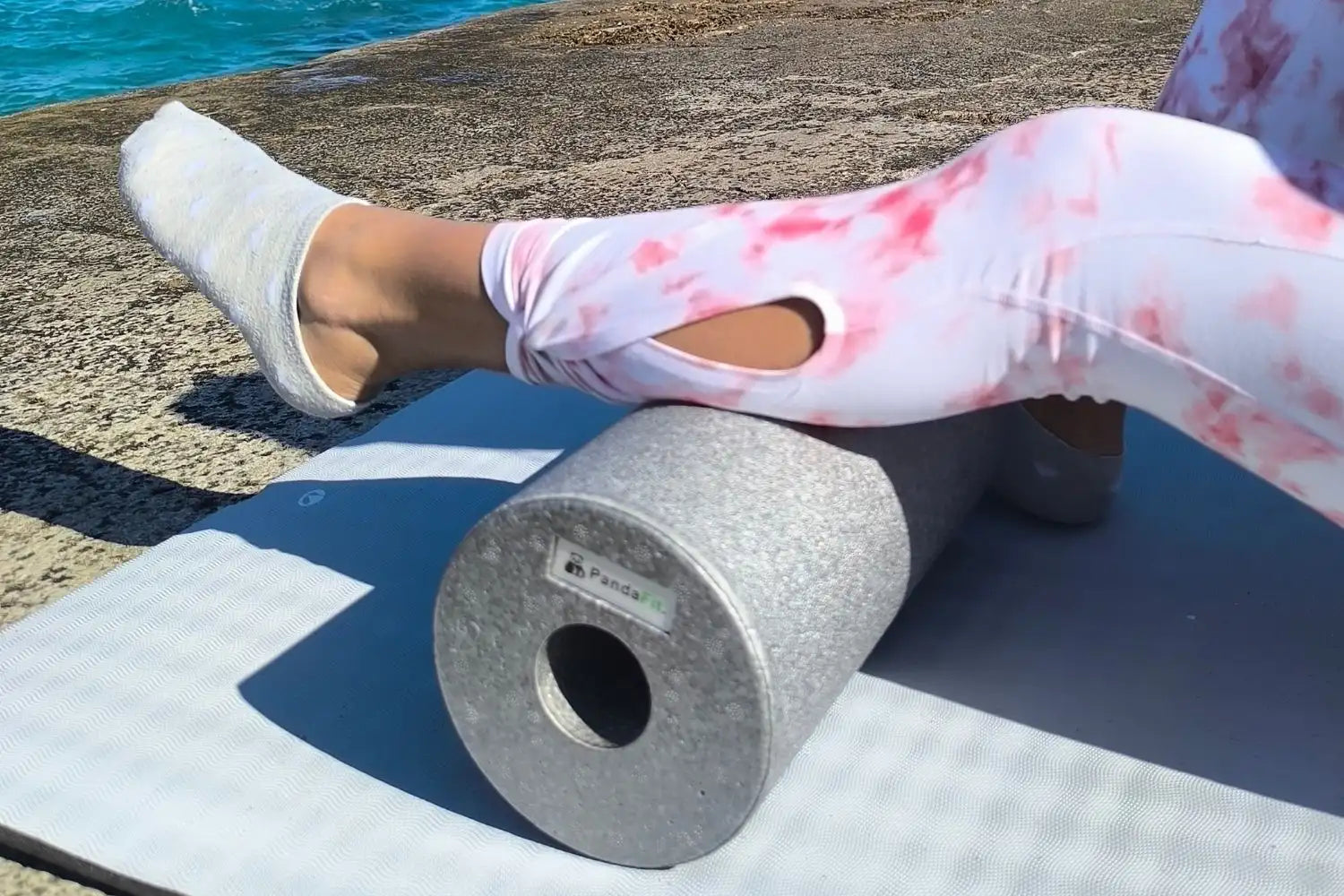
Calves (Soleus Detail)
Targets the deeper calf muscle (soleus) – short, precise rolling movements release localised tension.
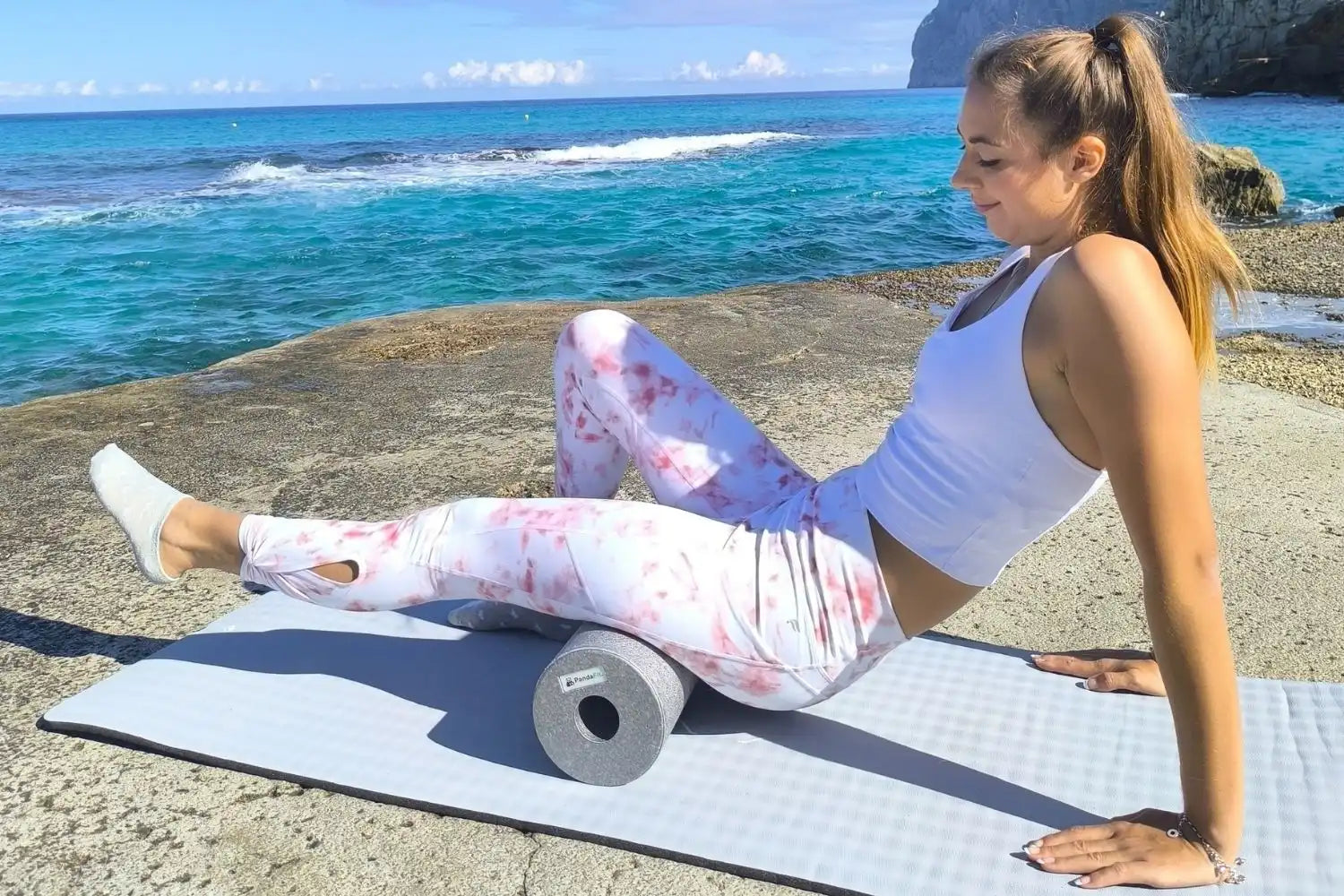
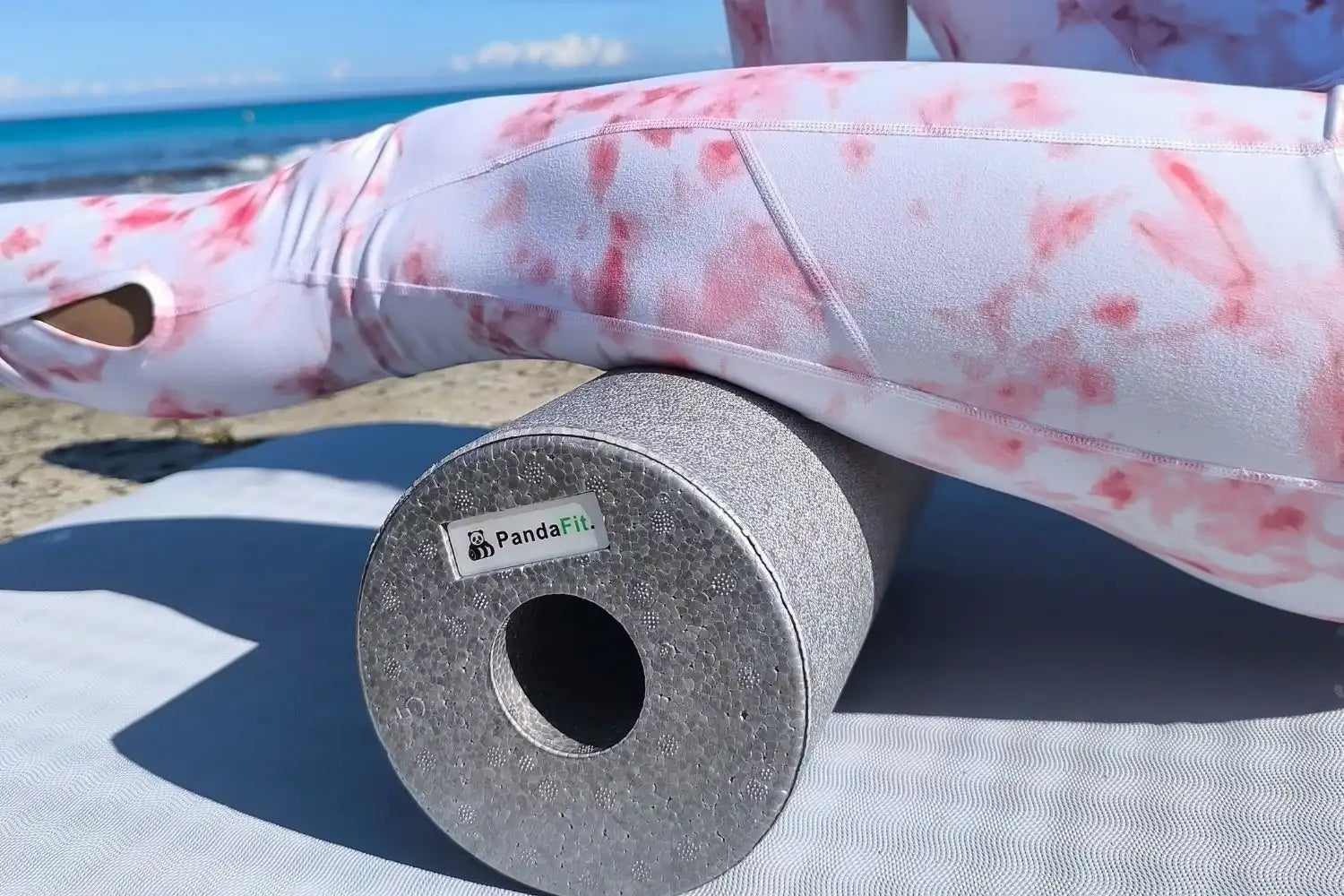
Hamstrings
Releases tension in the back of the thigh (hamstrings) and improves mobility in the hip and knee.
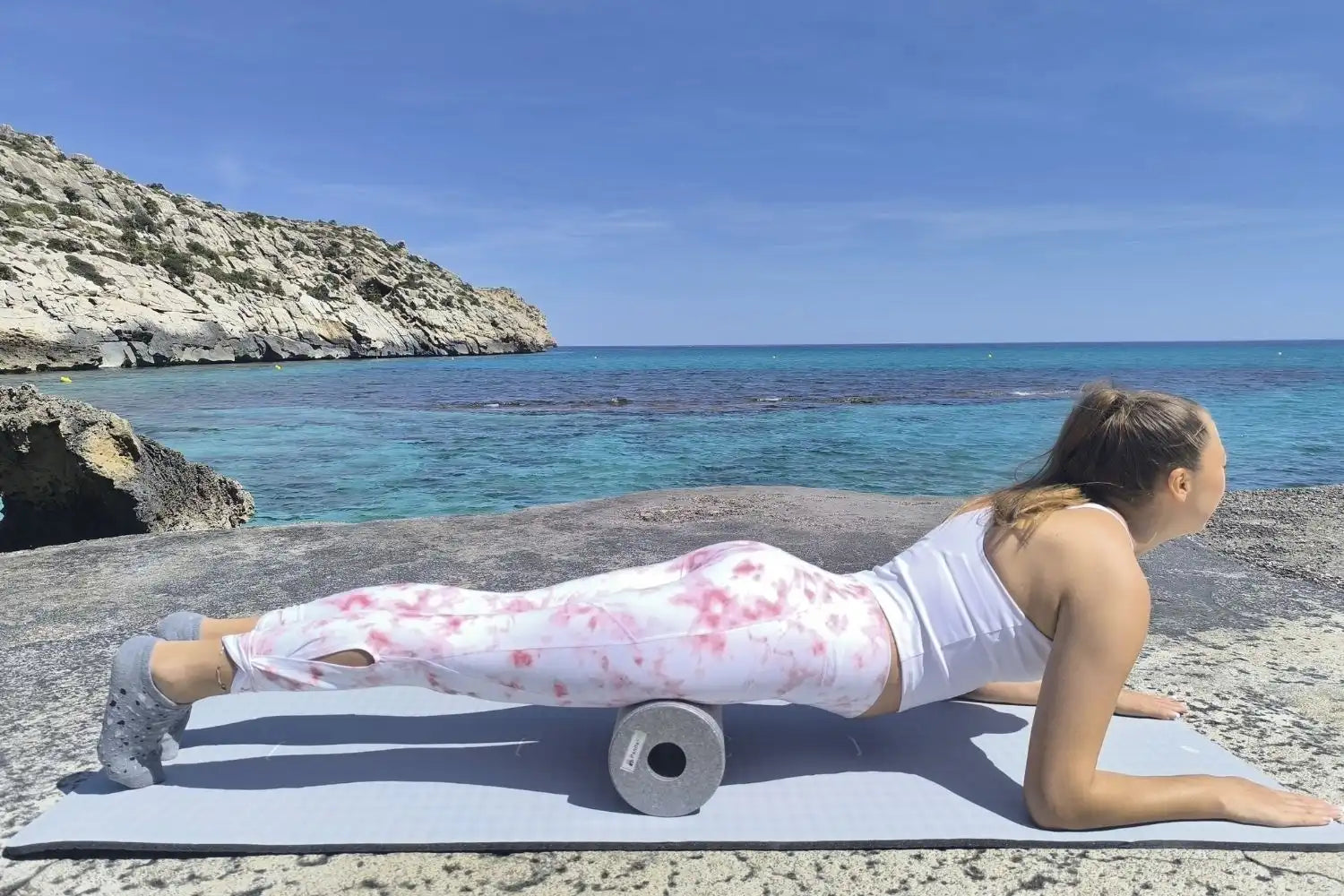
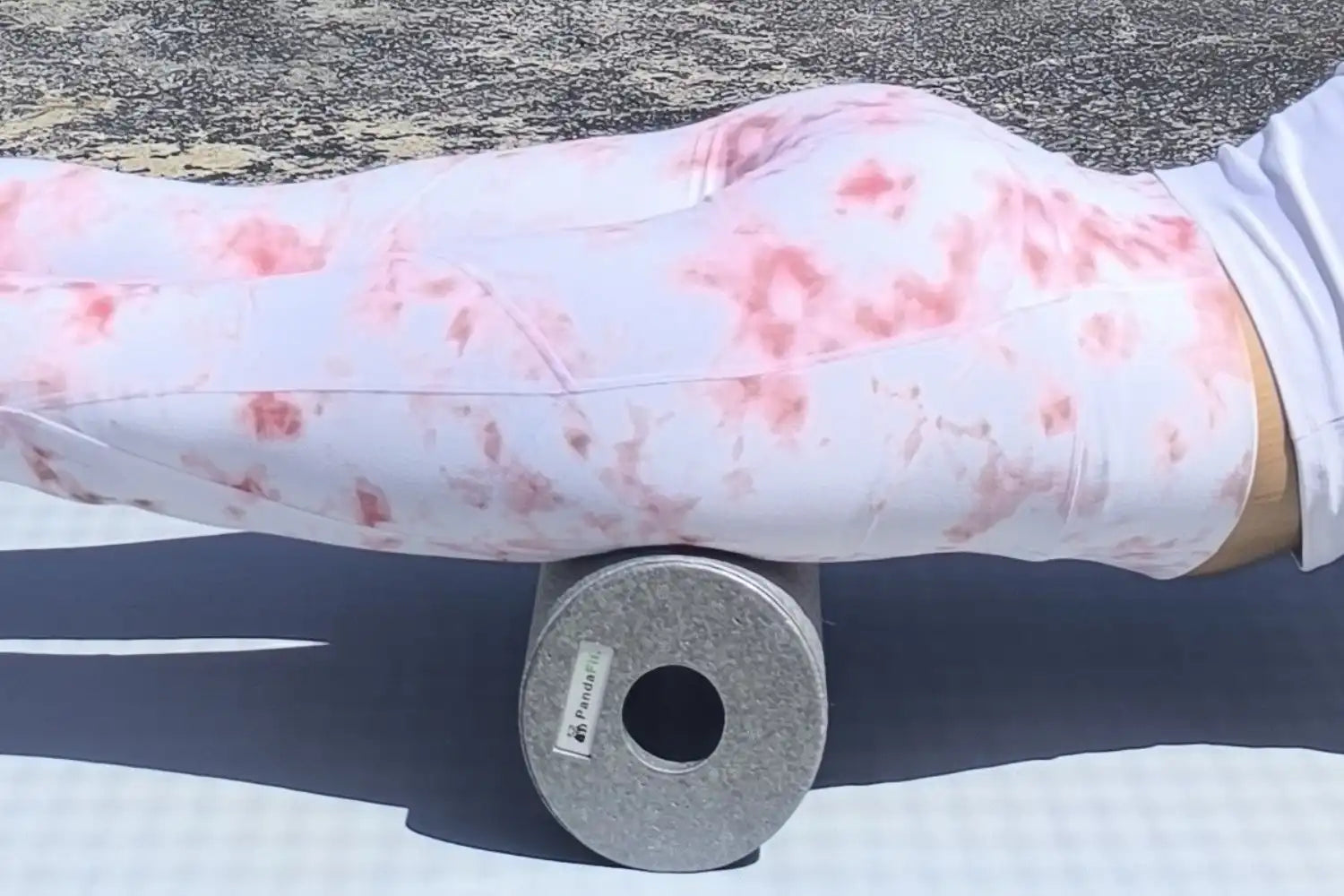
Front of Thigh (Quadriceps)
Releases tension in the quadriceps and supports recovery of the front of the thigh after intense effort.
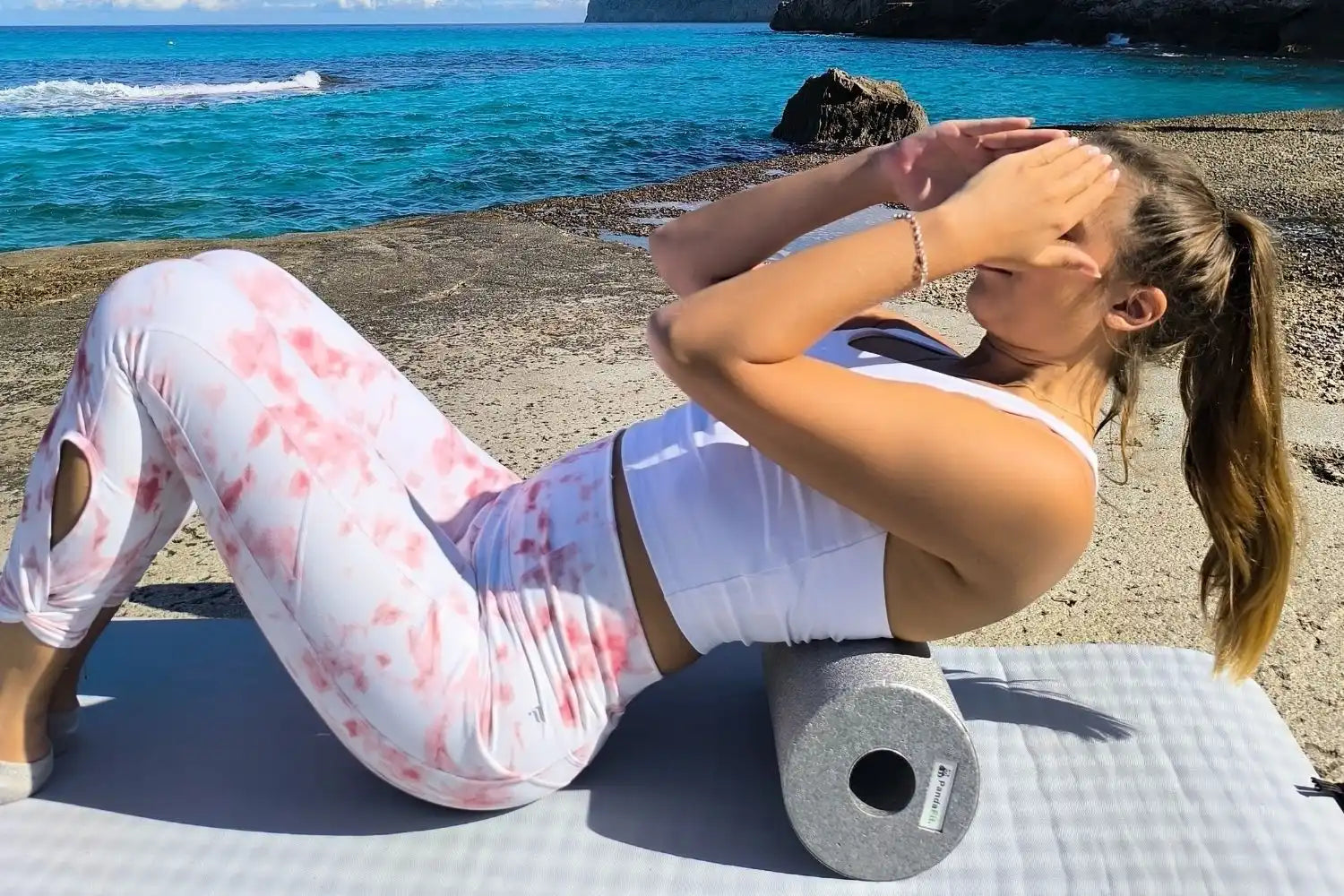
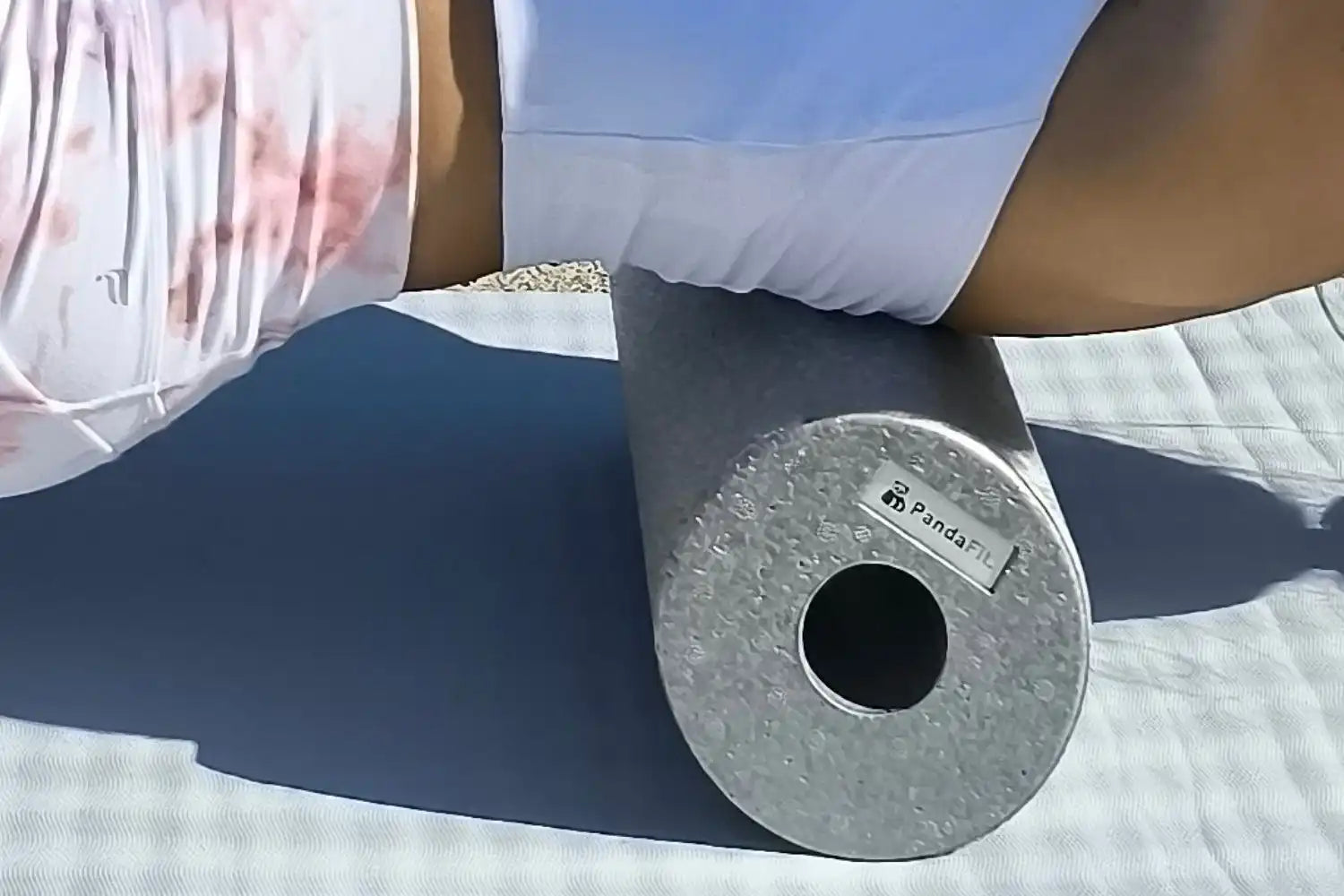
Upper Back (Thoracic Spine)
Releases tension in the upper back and improves thoracic spine mobility. Ideal after long hours of sitting.
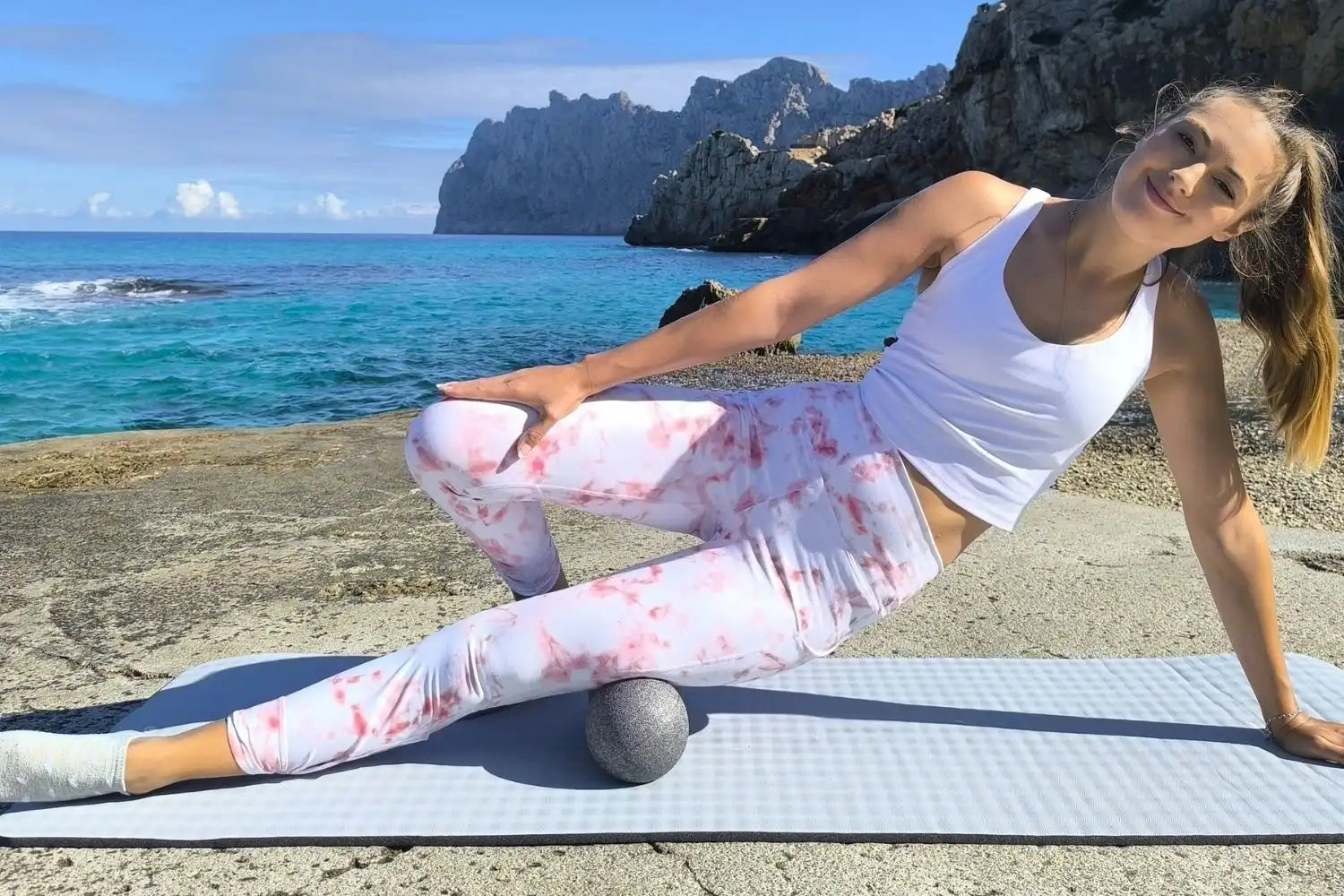
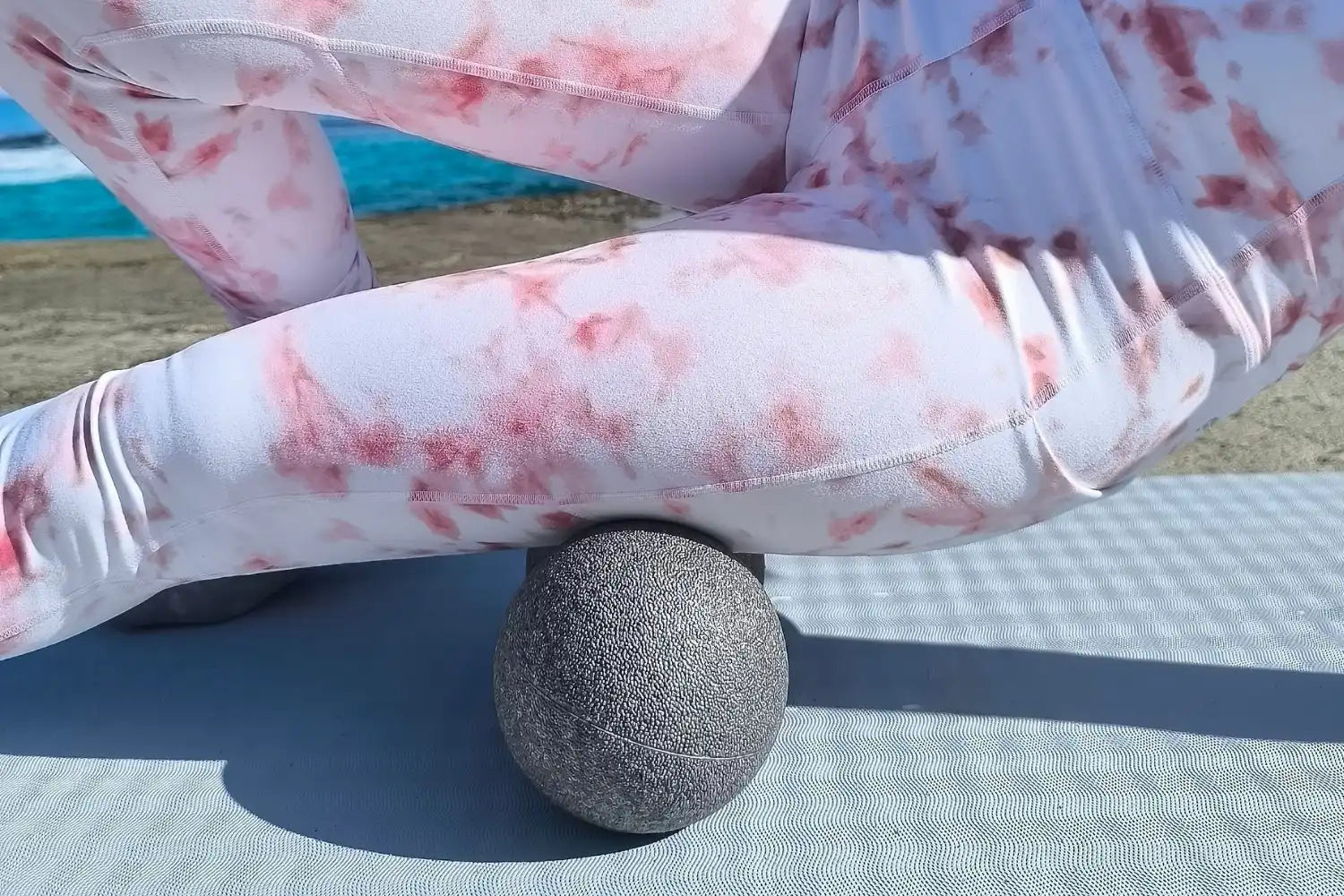
Outer Thigh
Releases tension on the outer thigh (vastus lateralis) and reduces pull on the IT band – effective with runner's knee symptoms.
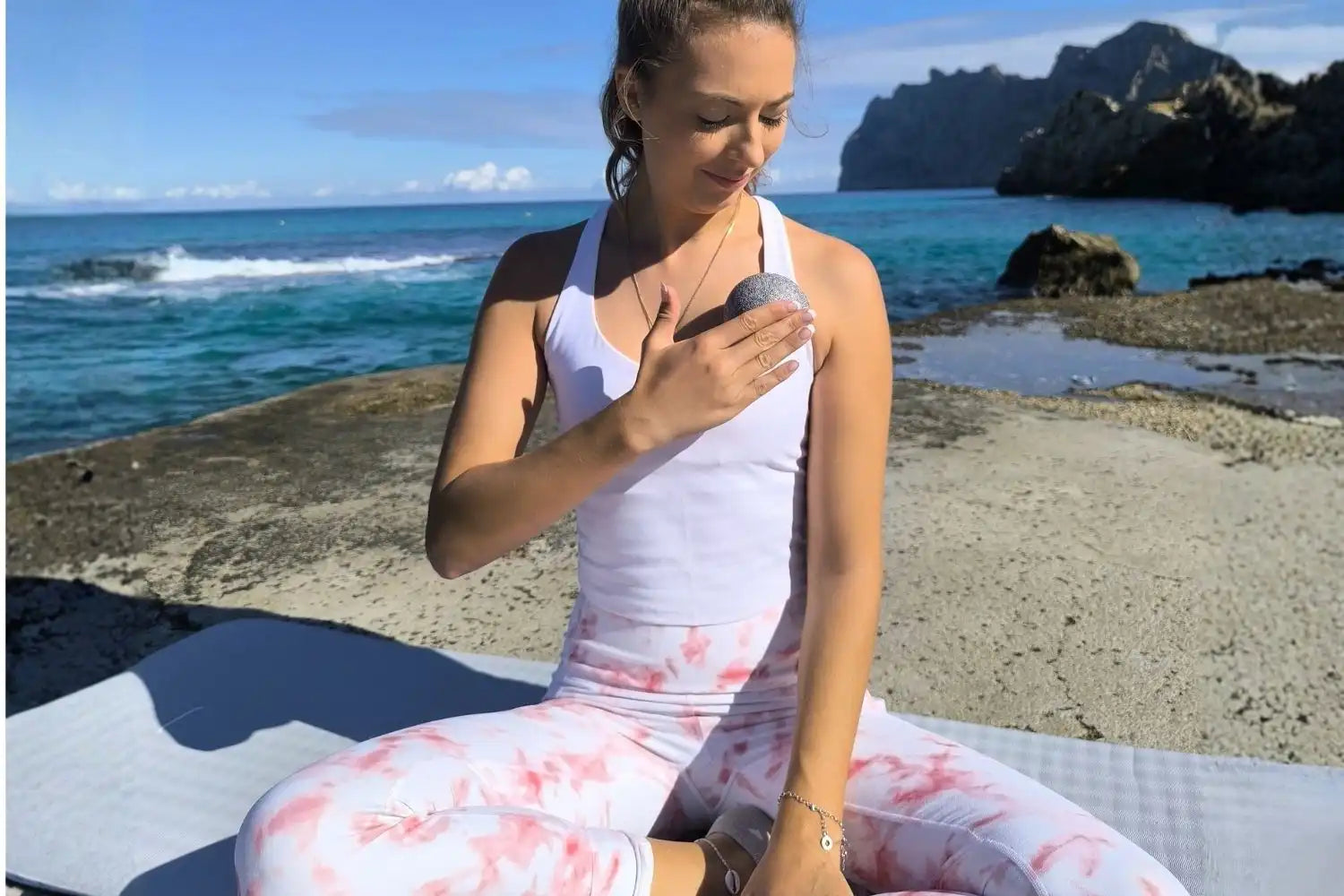
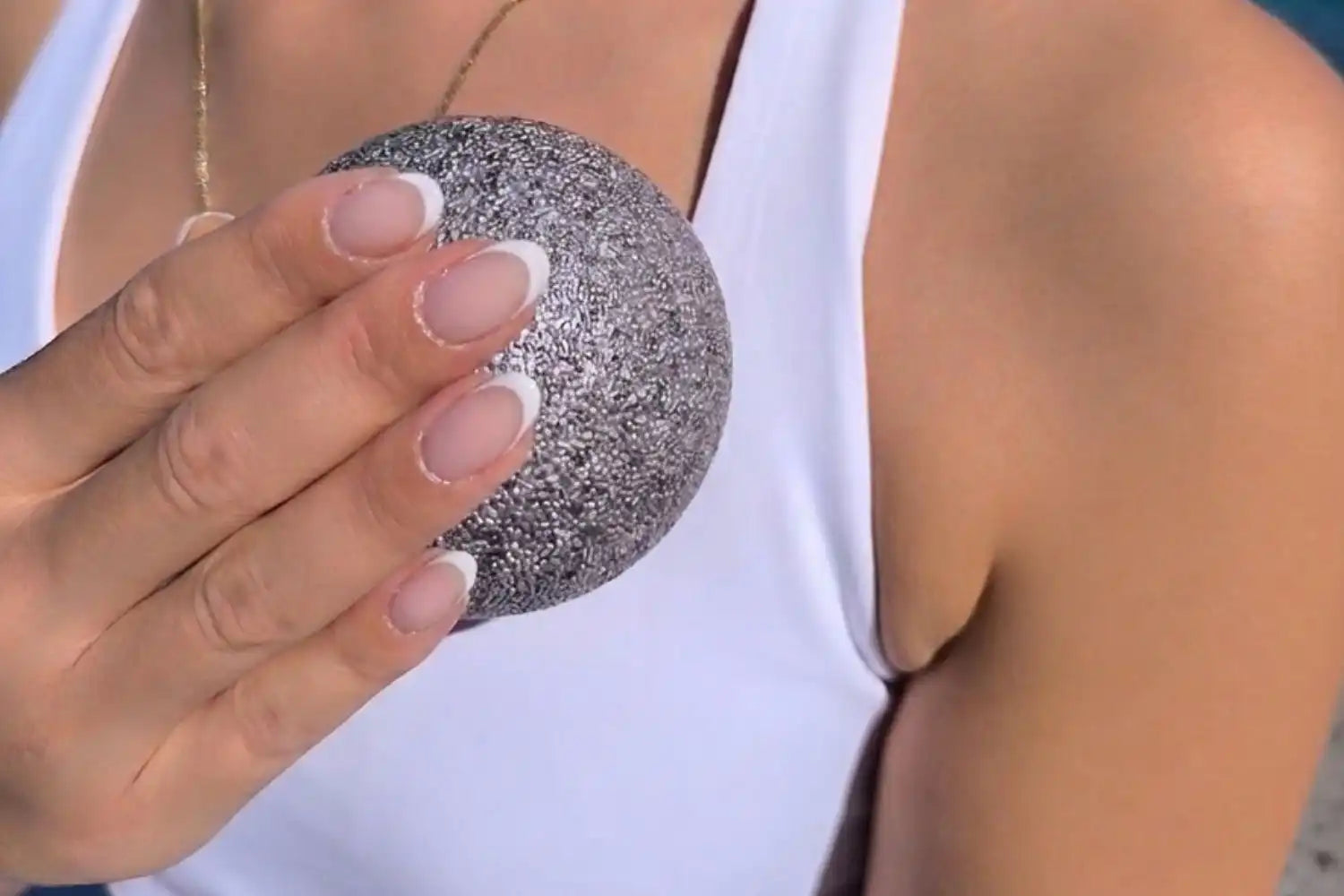
Chest (Pectoralis)
Releases tension in the chest muscle and improves mobility of the shoulder girdle – counters forward-rounded posture and a tight chest.
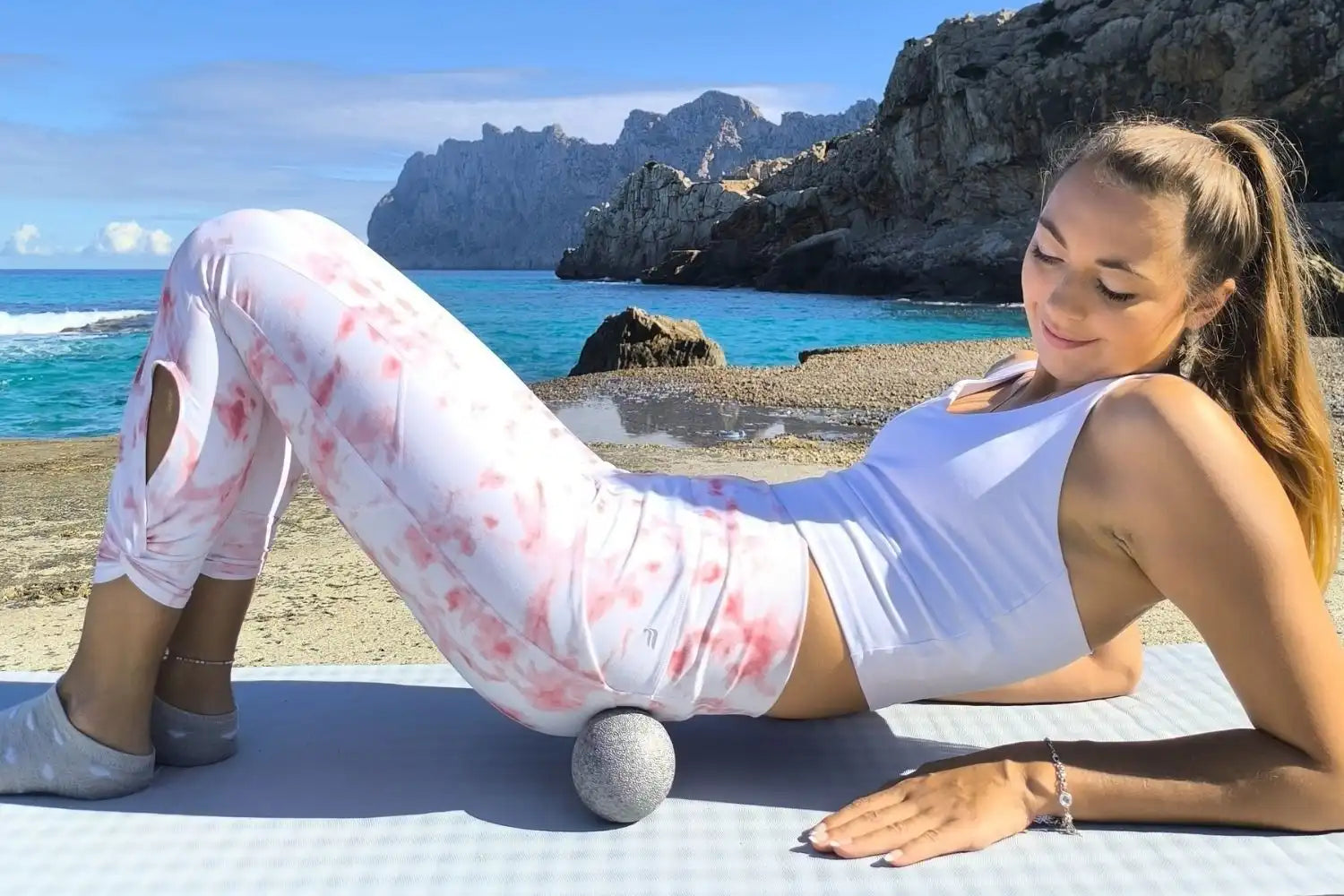
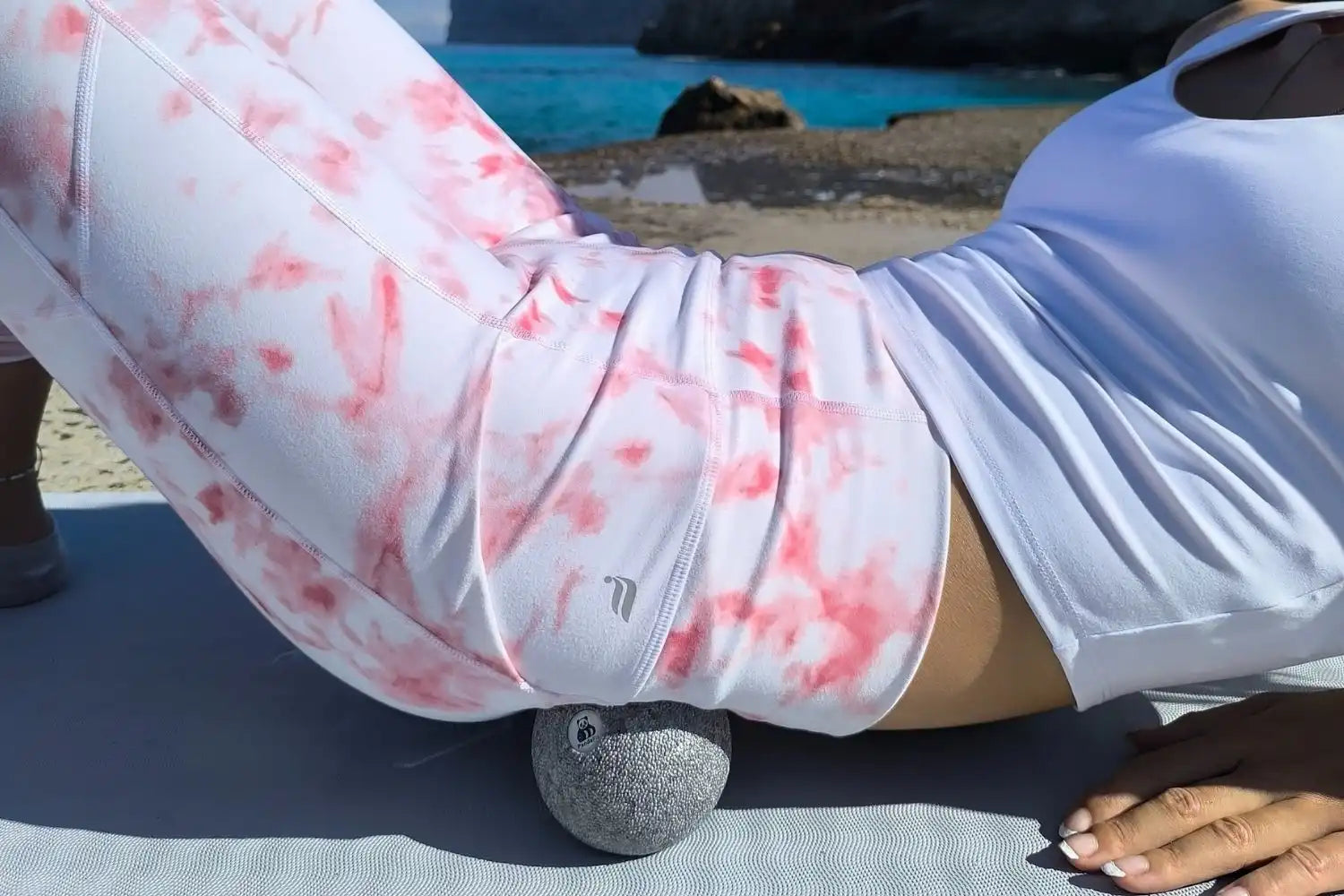
Glutes (Massage Ball, Seated)
Releases deep tension in the glutes and improves hip mobility – more pinpointed than the foam roller.
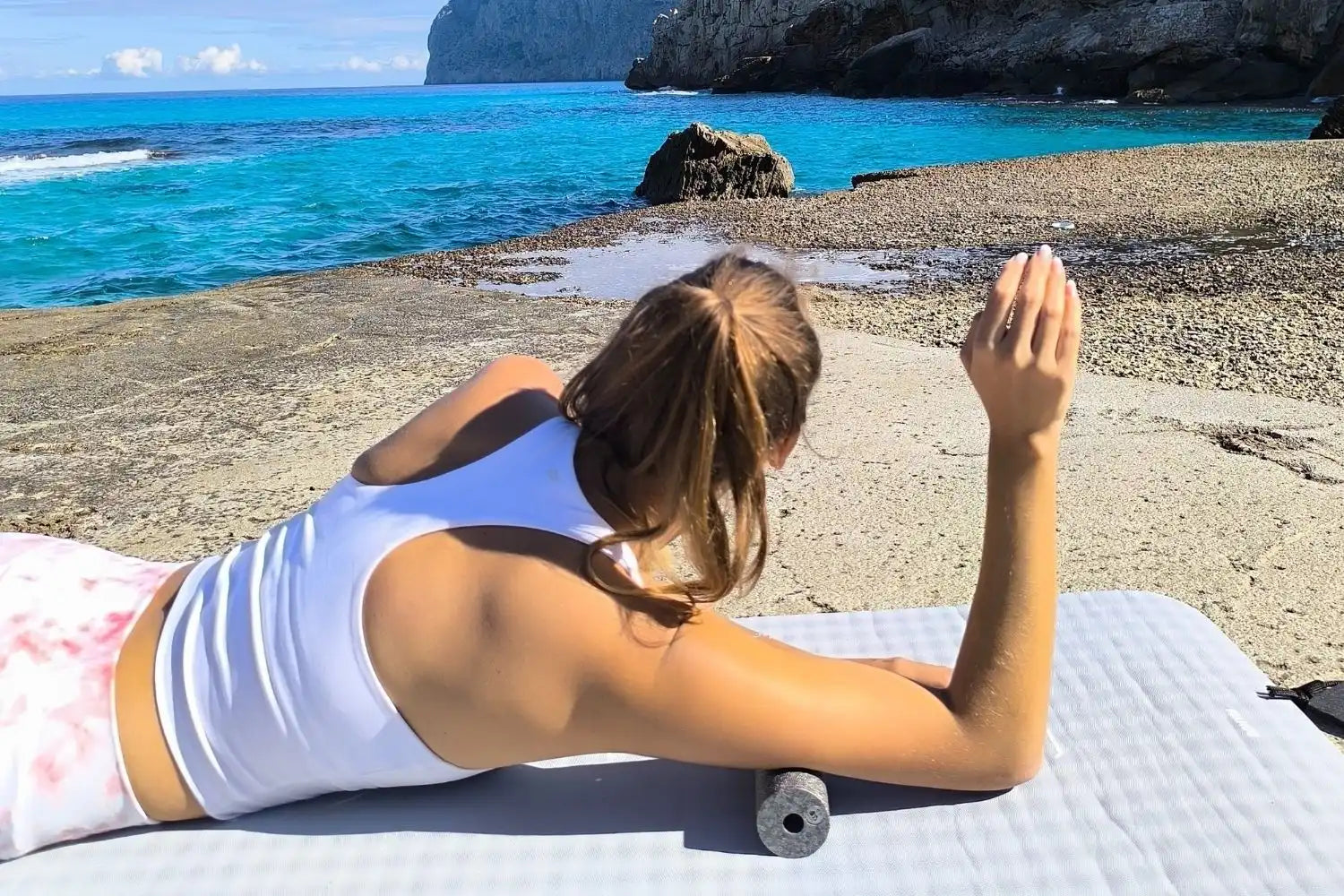
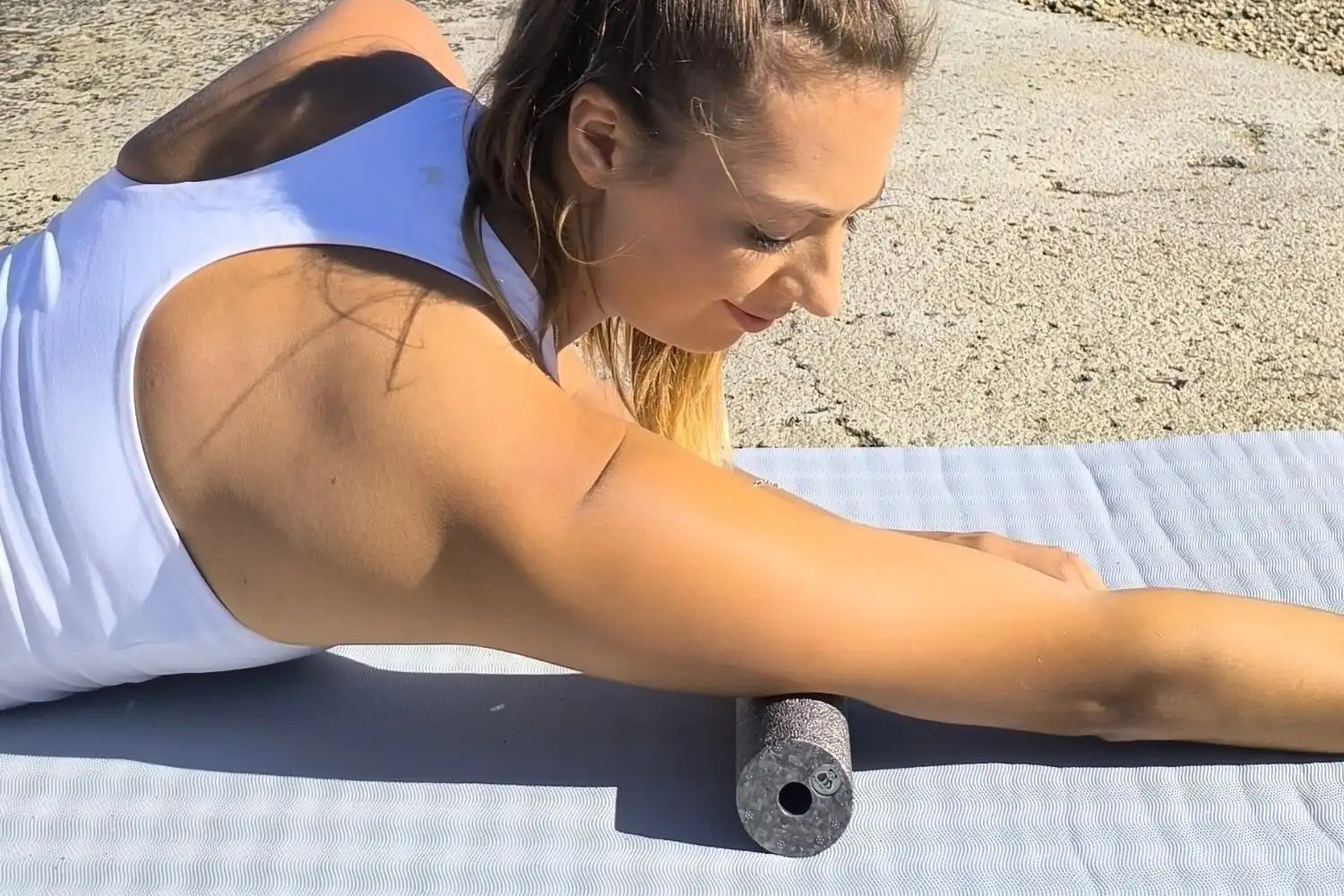
Upper Arm (Triceps)
Releases tension in the triceps (back of the upper arm) and improves shoulder joint mobility.
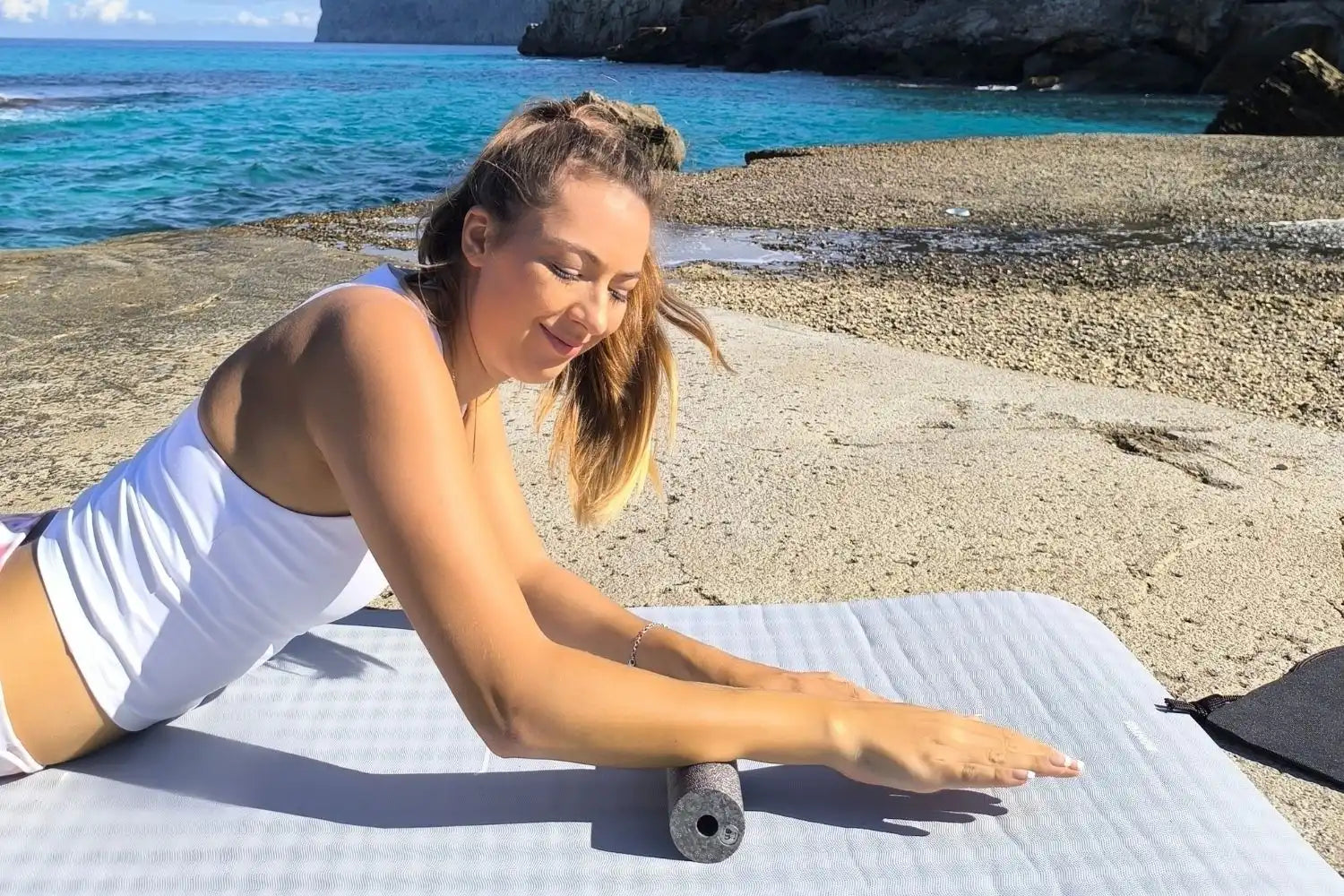
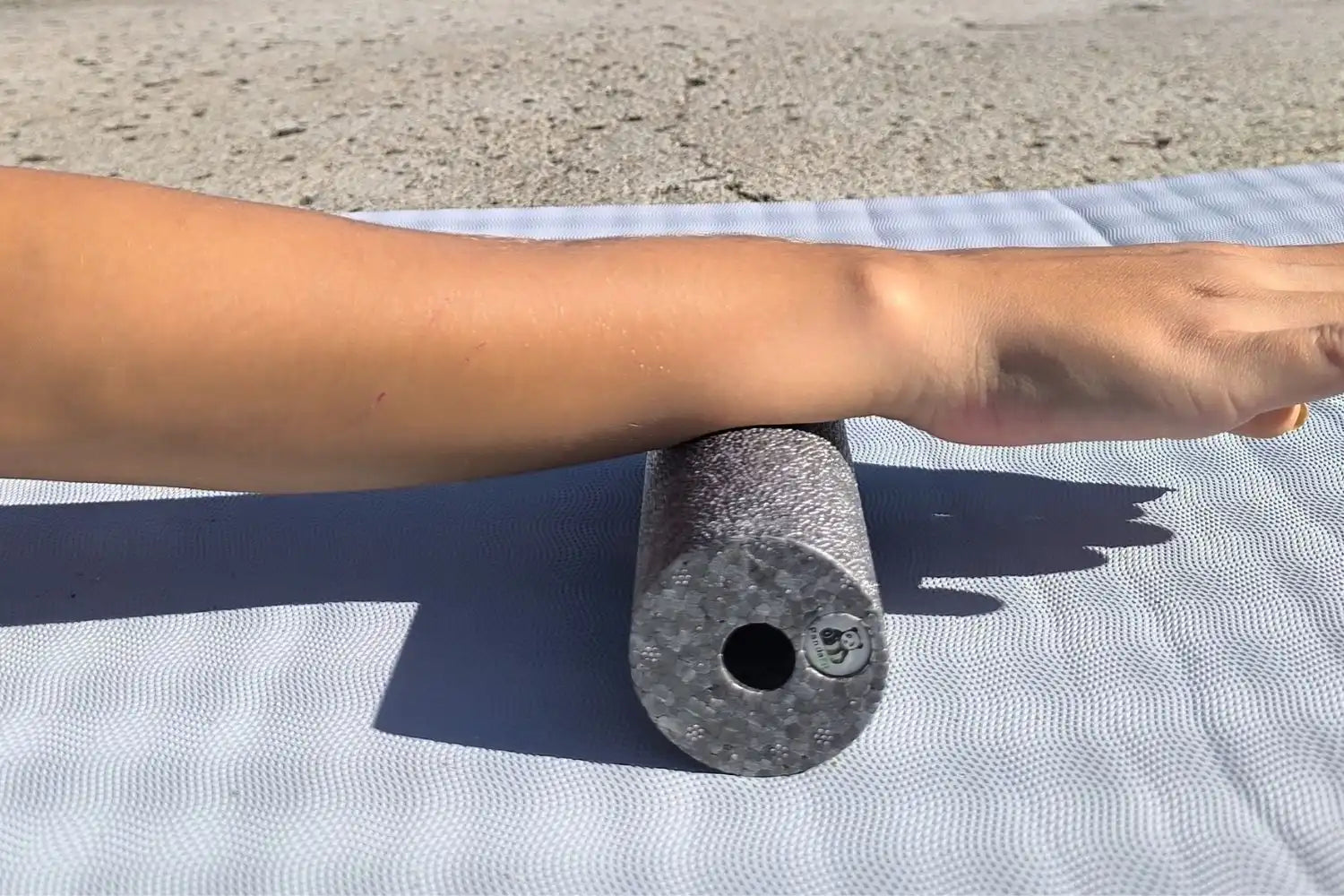
Forearm
Releases tension in the forearm muscles and improves wrist mobility – important with a lot of computer or mouse work.
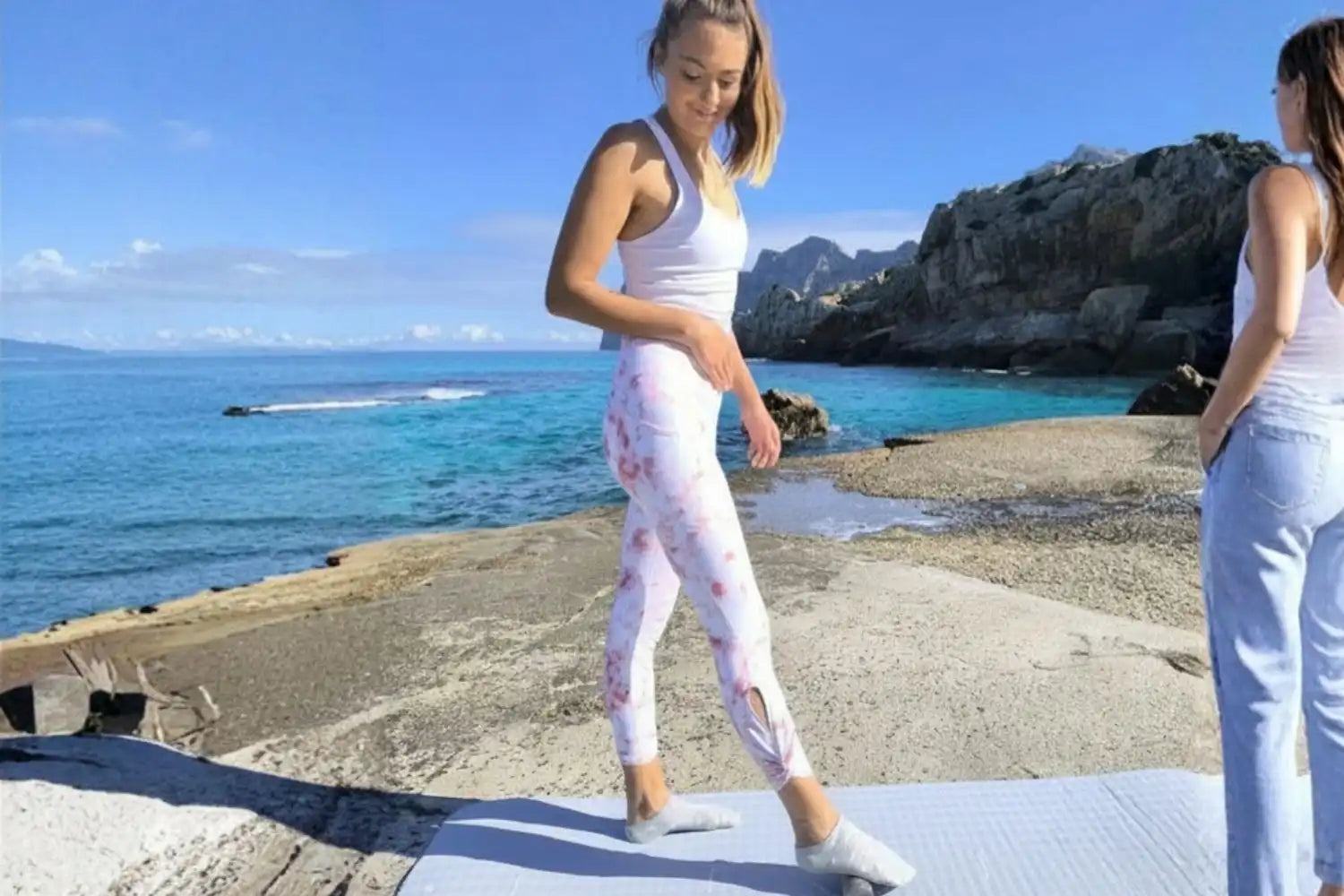
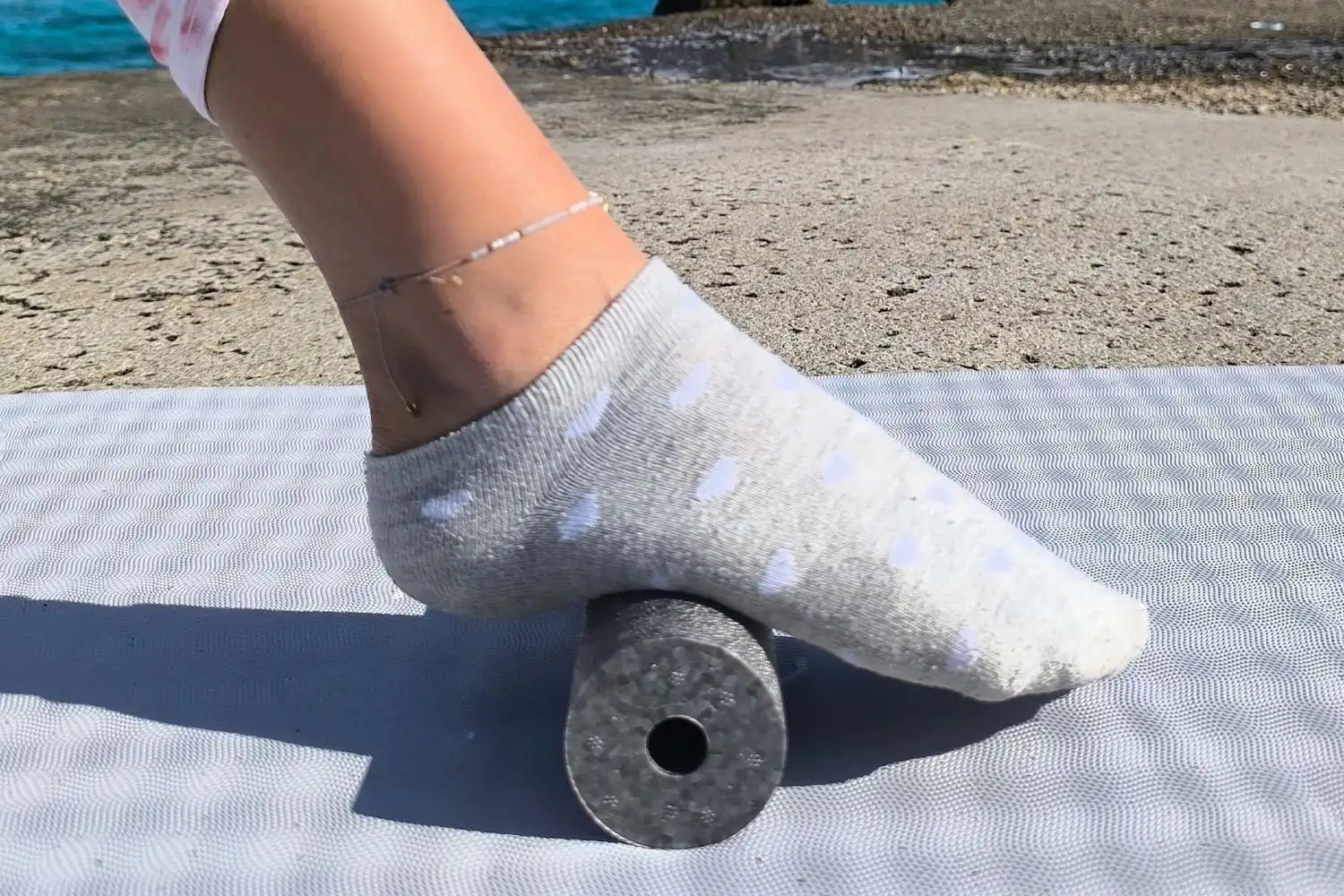
Sole of the Foot (Release)
Releases tension in the plantar fascia, boosts circulation in the sole of the foot, and helps prevent typical heel pain.
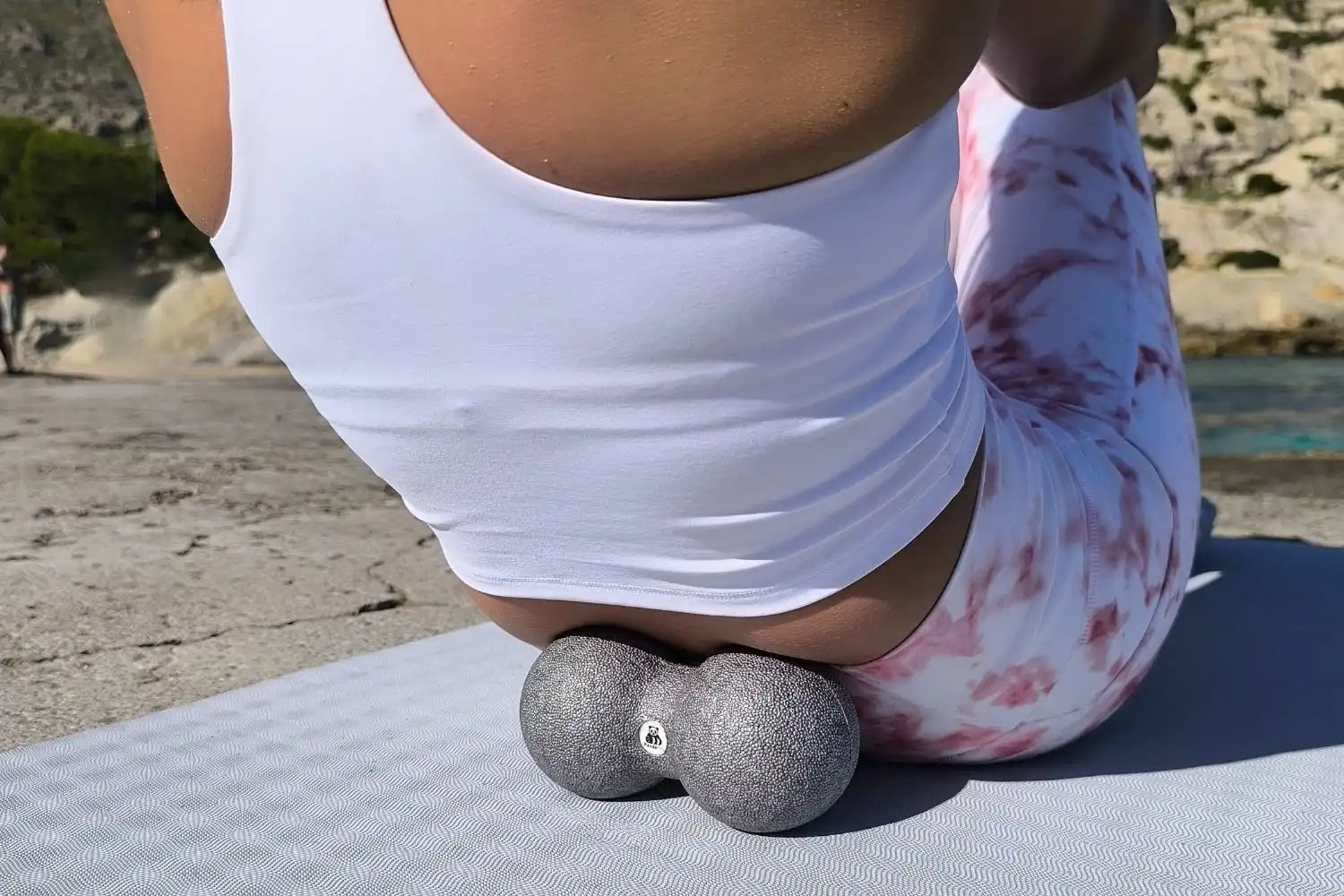
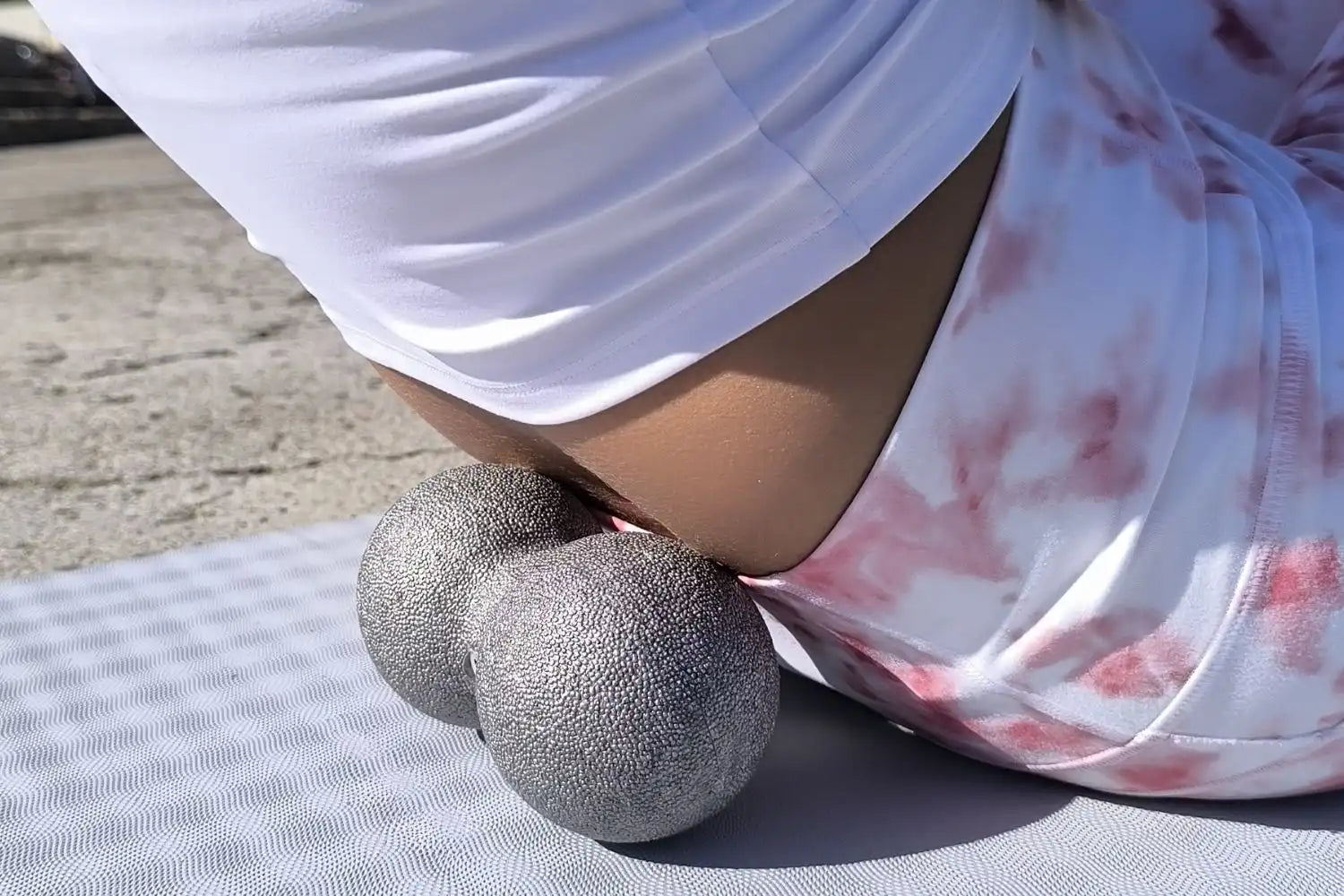
Lower Back (Release)
The Duoball massages the deep back extensors on both sides of the spine – releases tension in the lumbar region and improves mobility without pressure on the vertebrae.
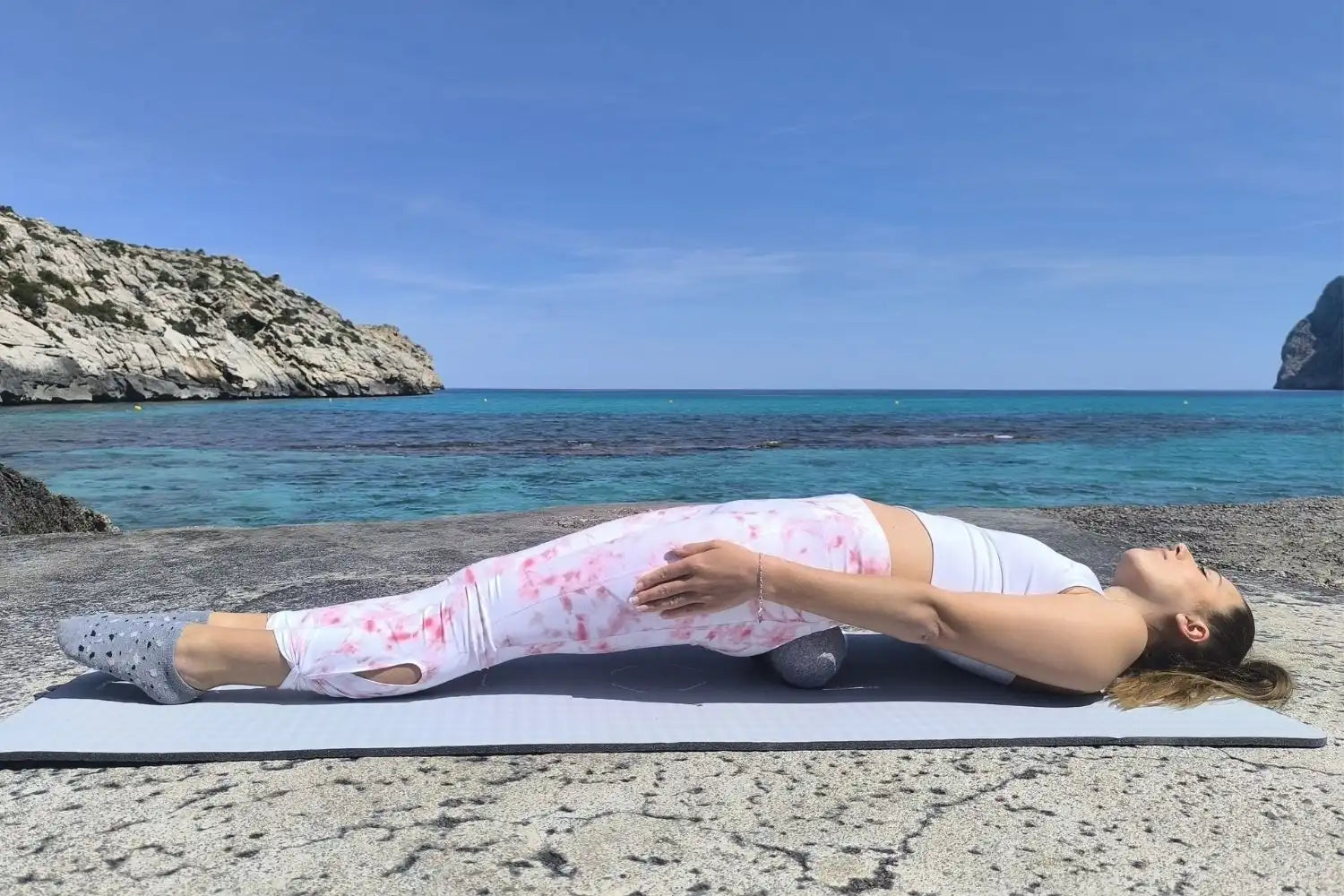
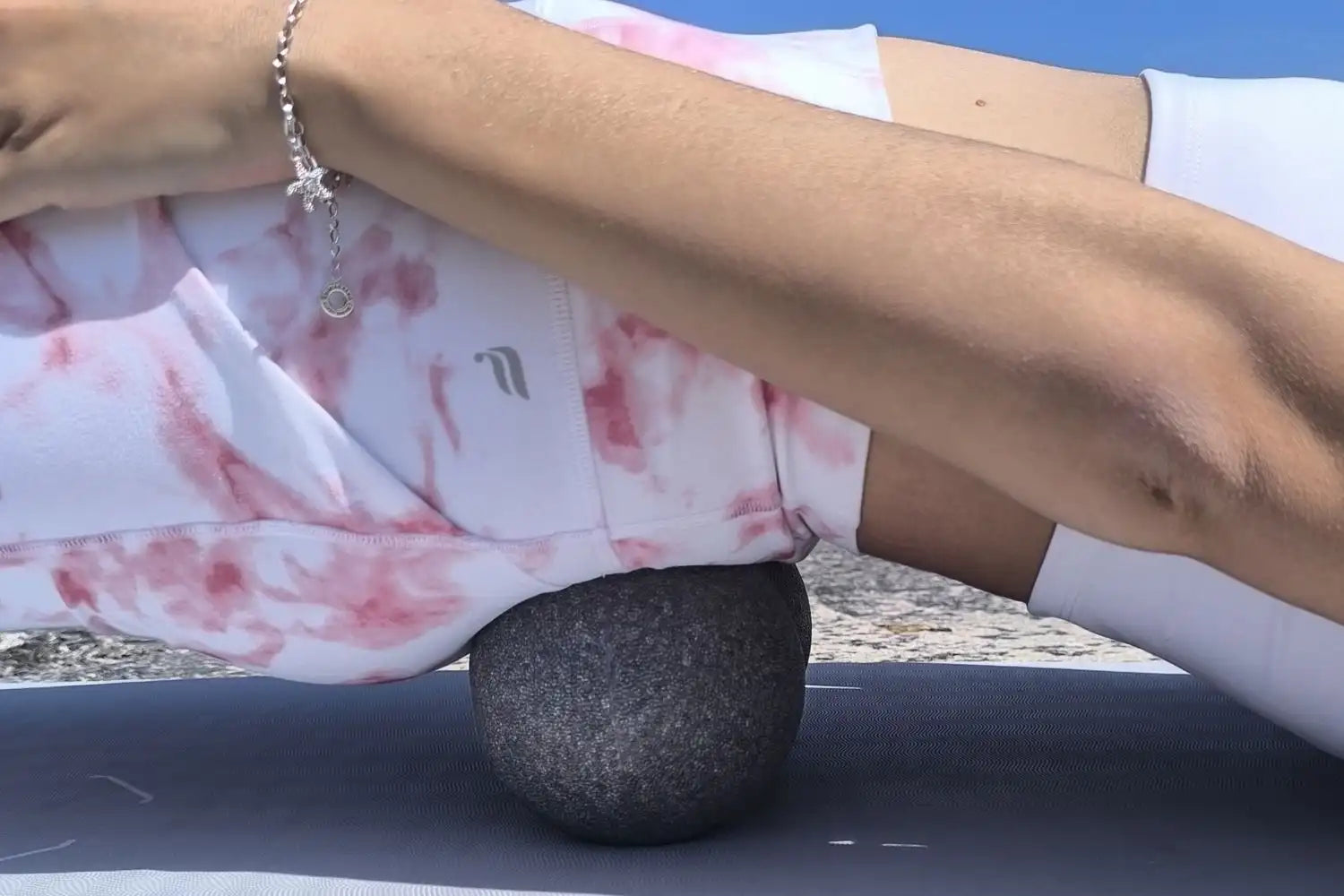
Glutes (Deep Release)
Lying on your back, the Duoball releases deep-seated tension in the glutes and piriformis region – ideal after long sitting periods.
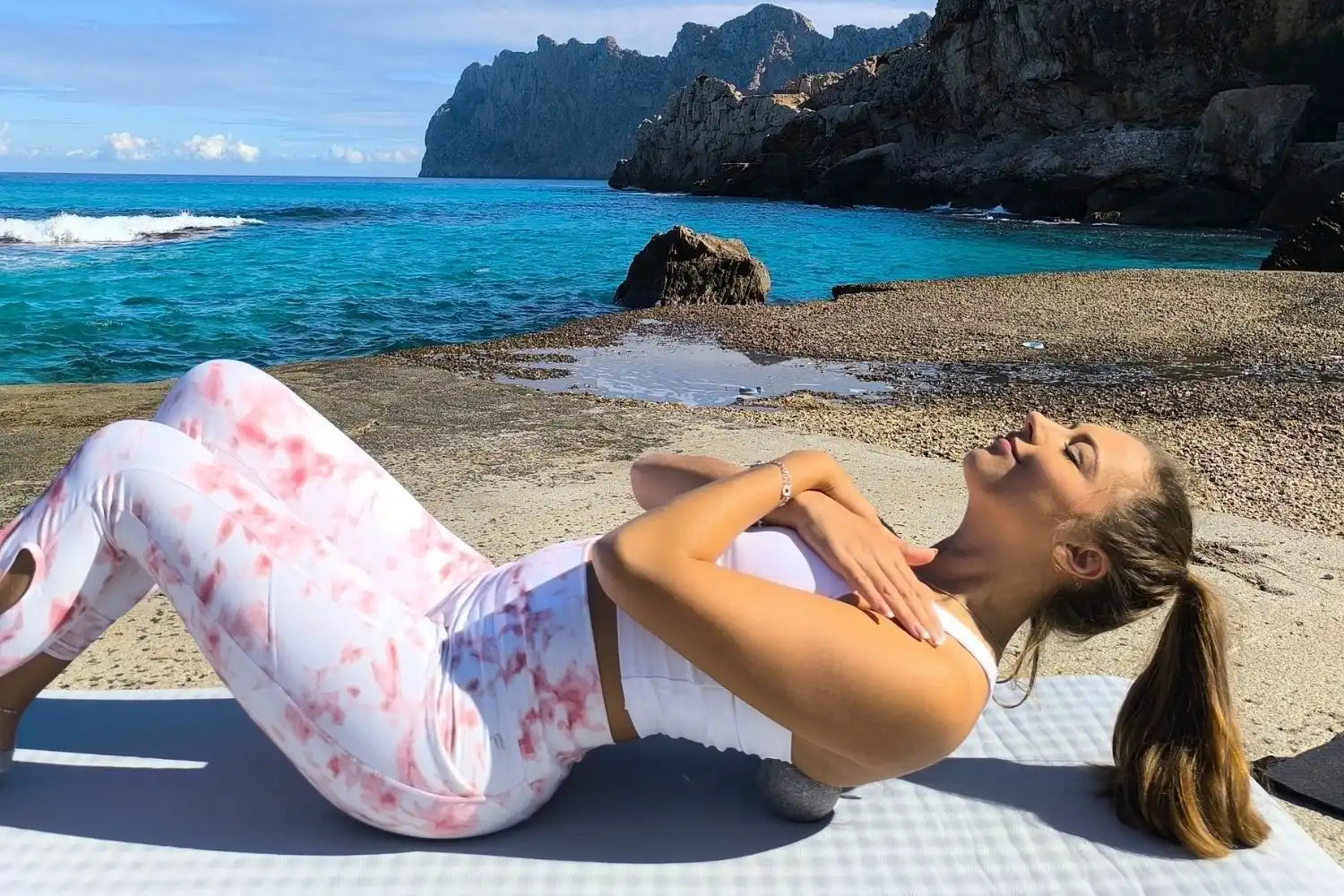
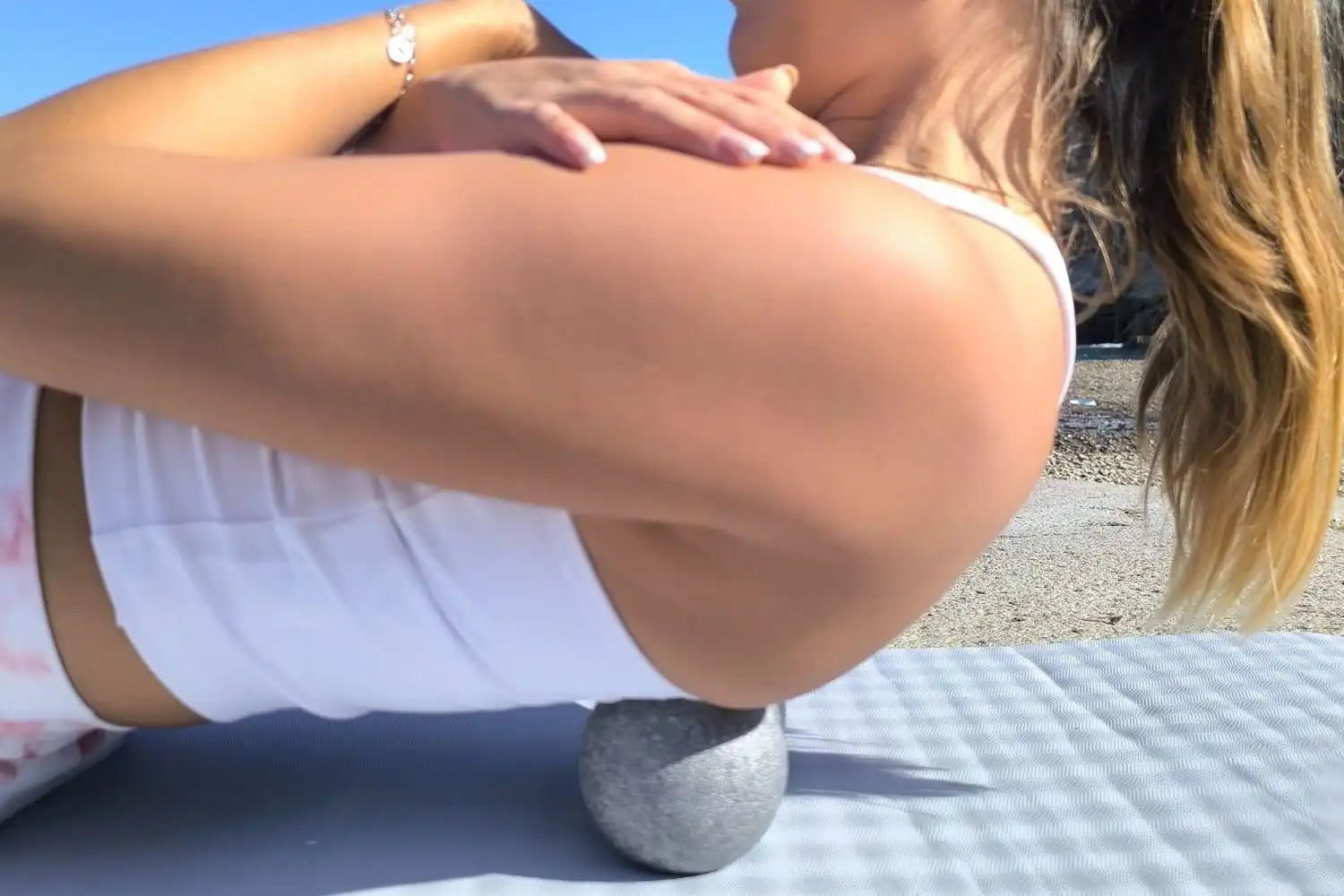
Upper Back (Segmental Massage)
Lying on your back, the Duoball 8 massages alongside the thoracic spine – segment by segment, deeper and more targeted than a foam roller. Releases tension and stiffness between the shoulder blades.
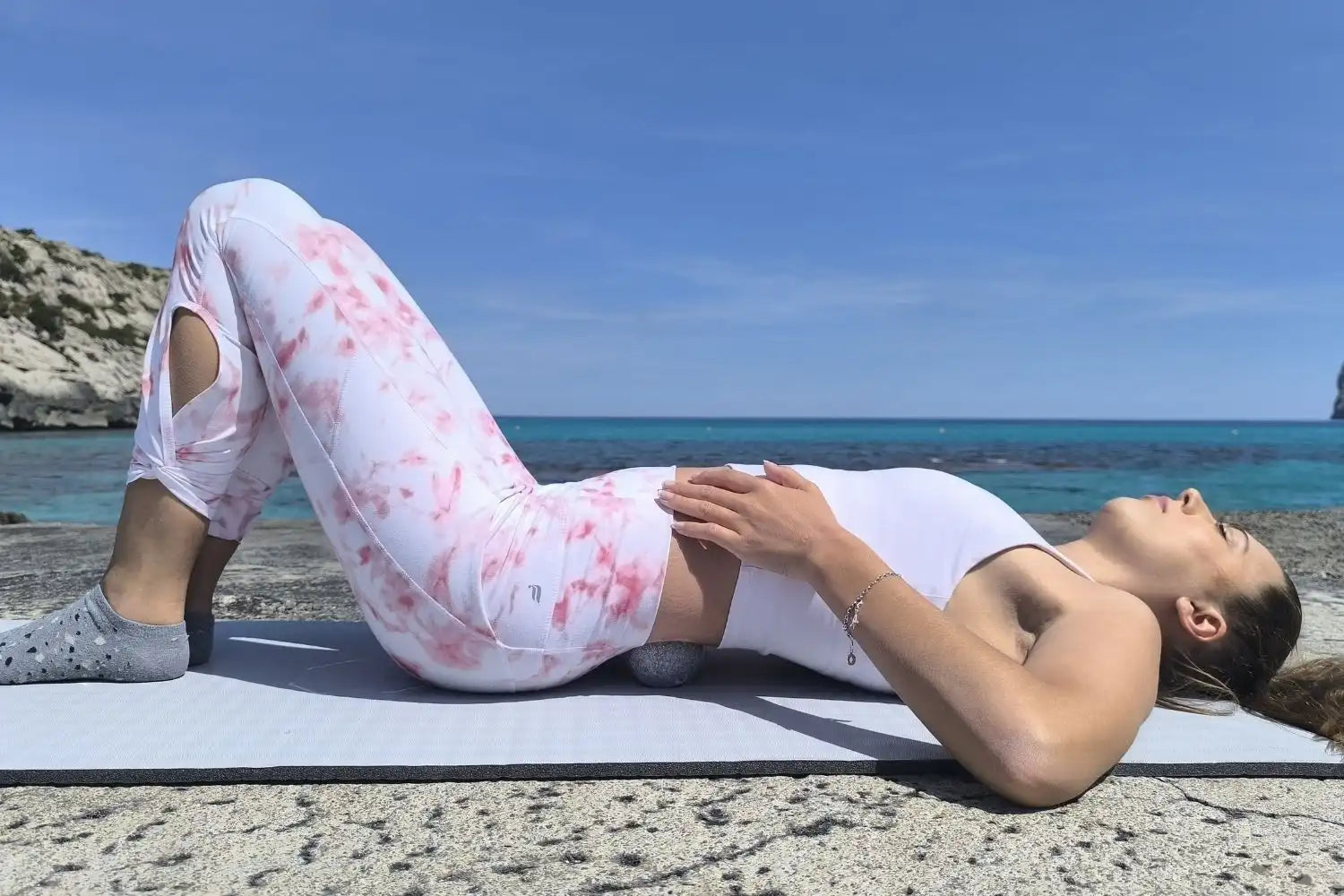
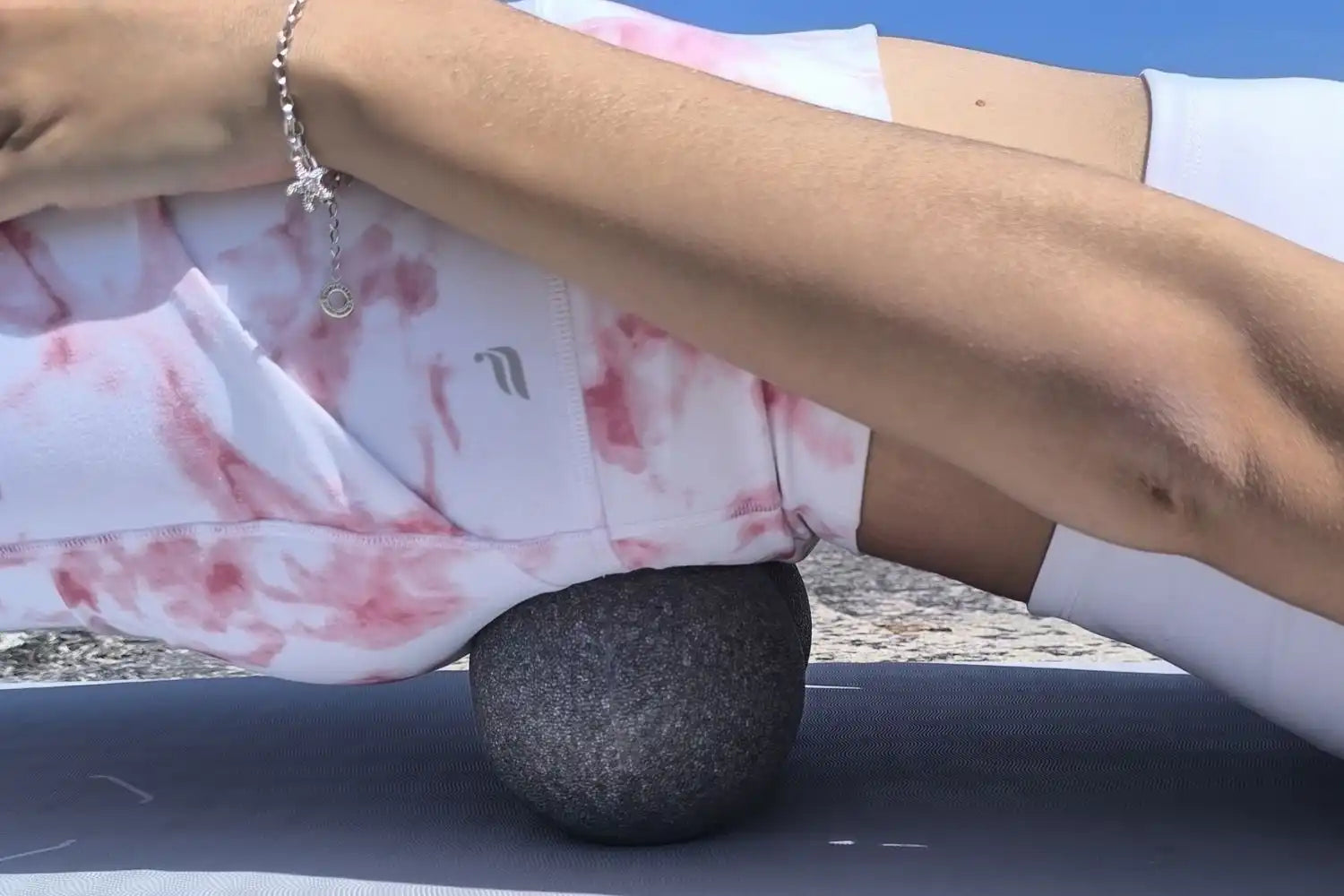
Lower Back (Lumbar Stretch)
Gentle lumbar mobilisation in supine position – the Duoball 12 releases the lower back fascia while opening the chest.
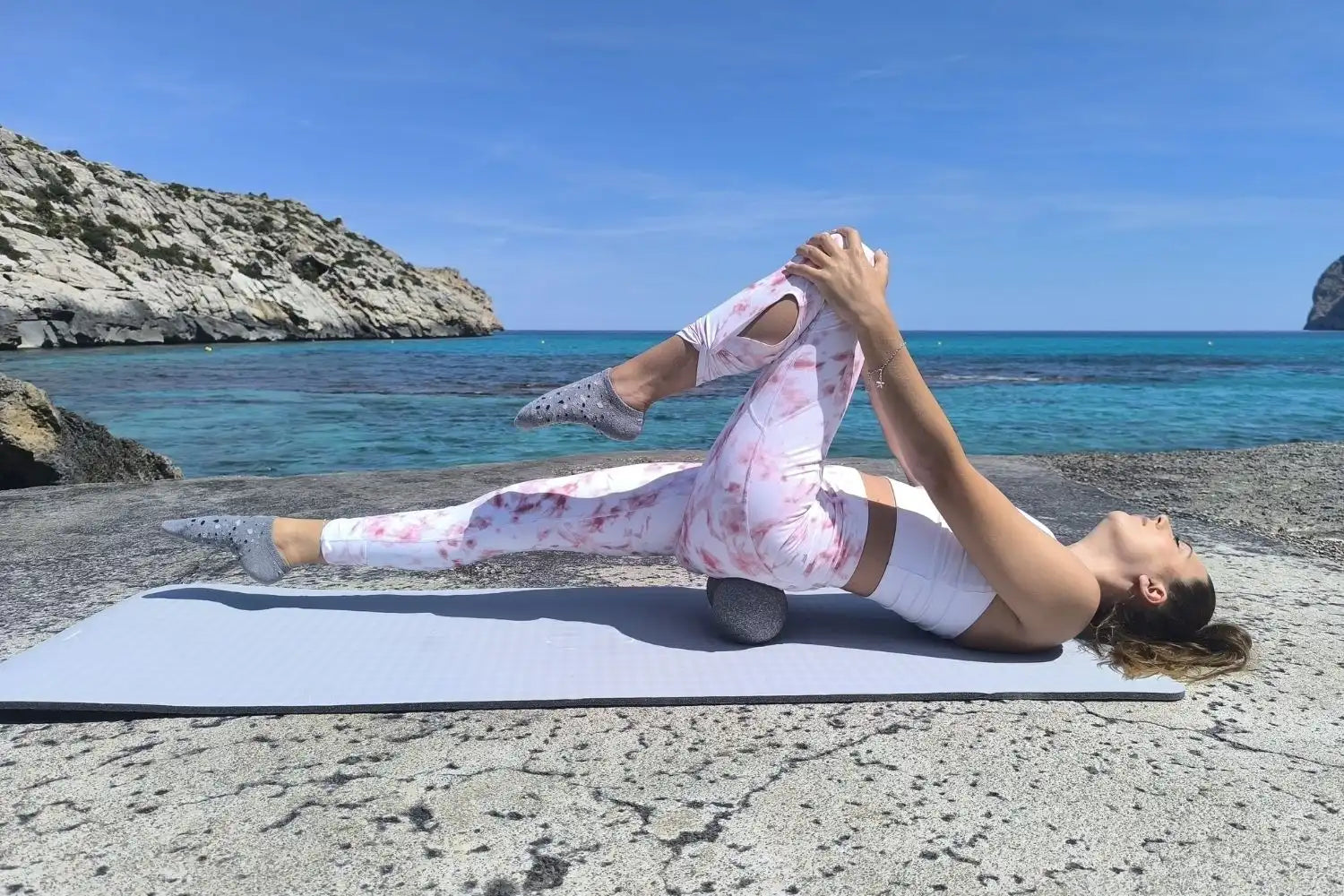
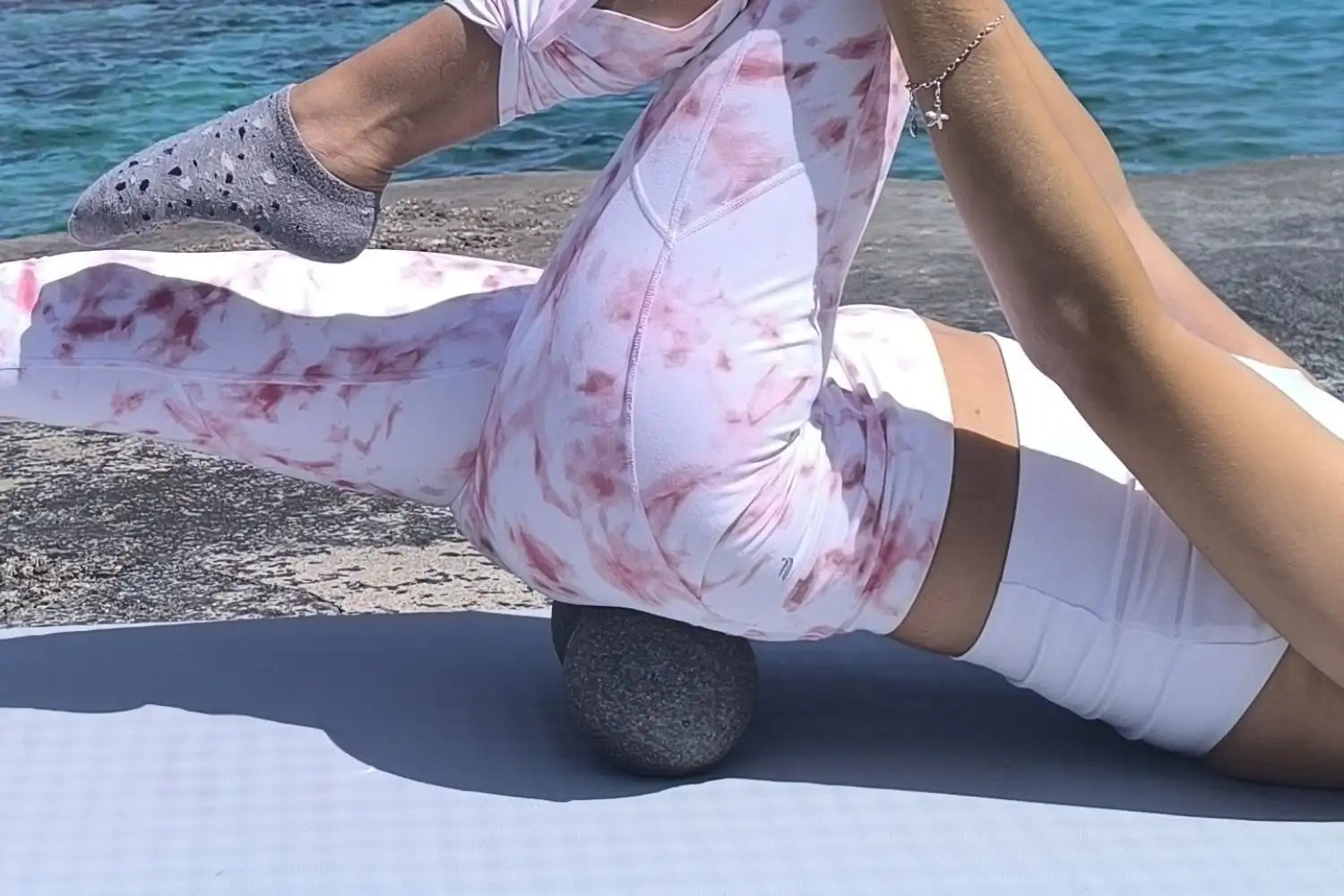
Hip Flexor (Iliopsoas Stretch)
Deep hip flexor stretch in supine position – the Duoball 12 supports the lumbar spine while one leg extends to release the iliopsoas.
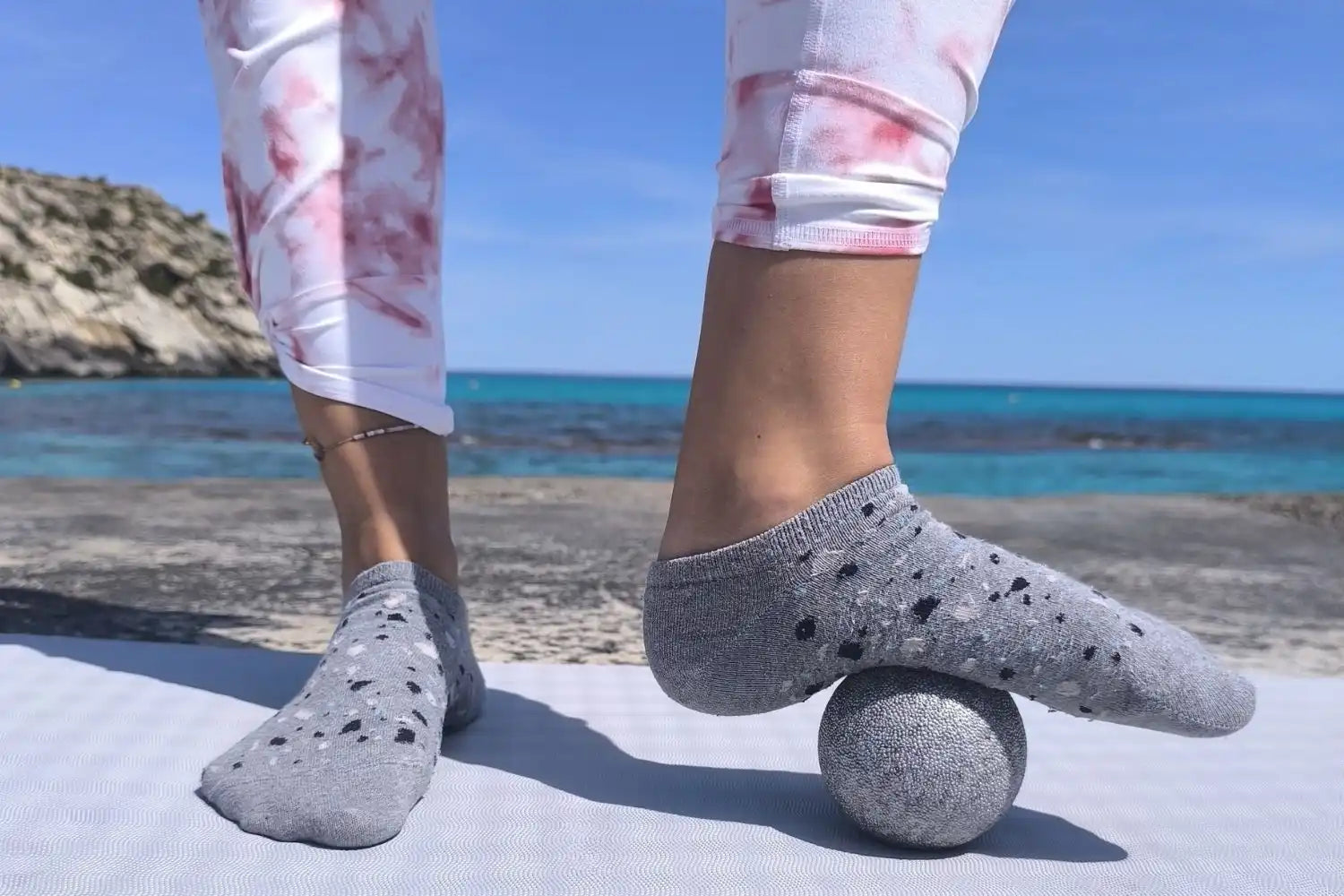
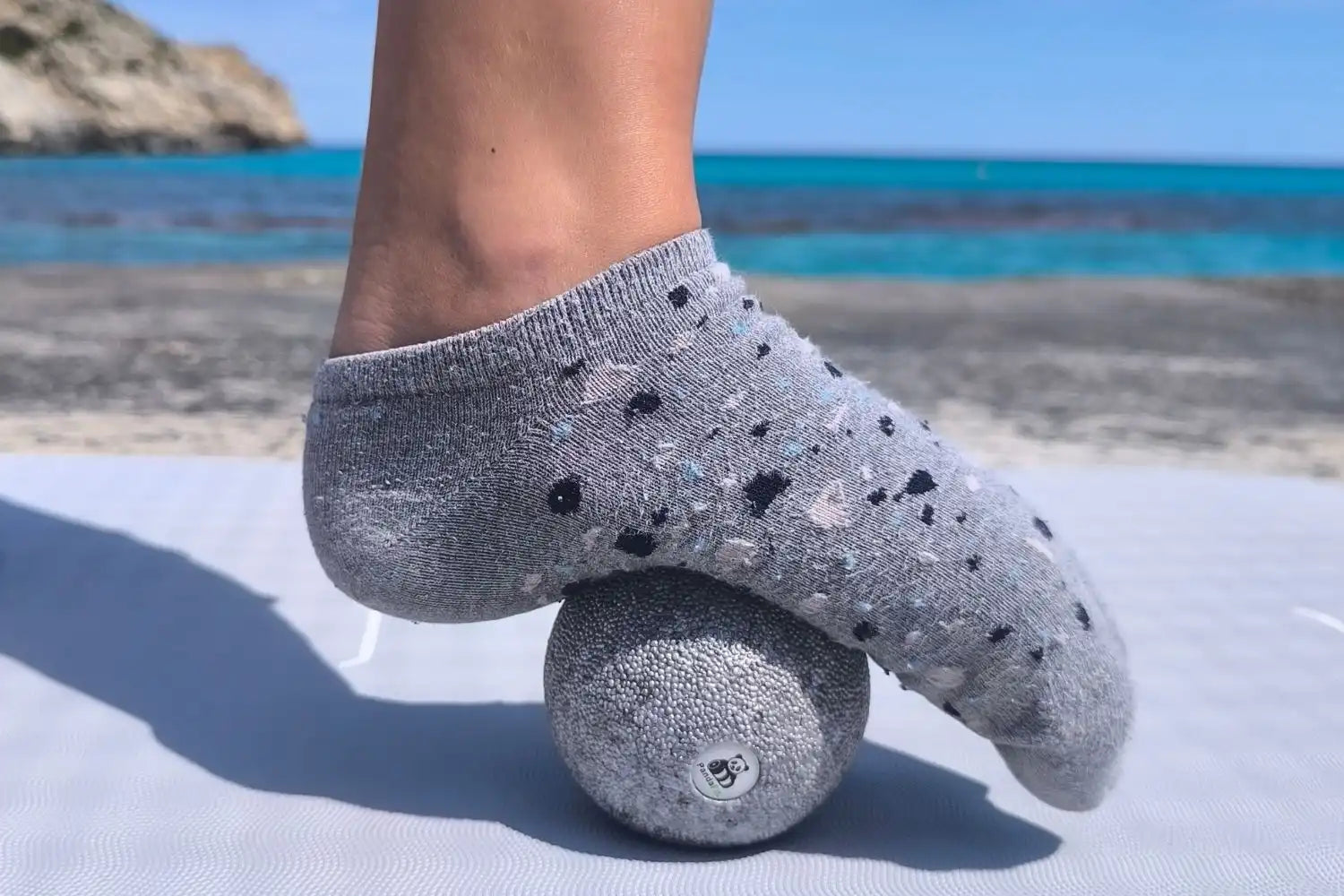
Sole of the Foot (Trigger Points)
Targeted trigger point massage of the plantar fascia – the Massage Ball 8 releases deep-seated tension in the sole of the foot.
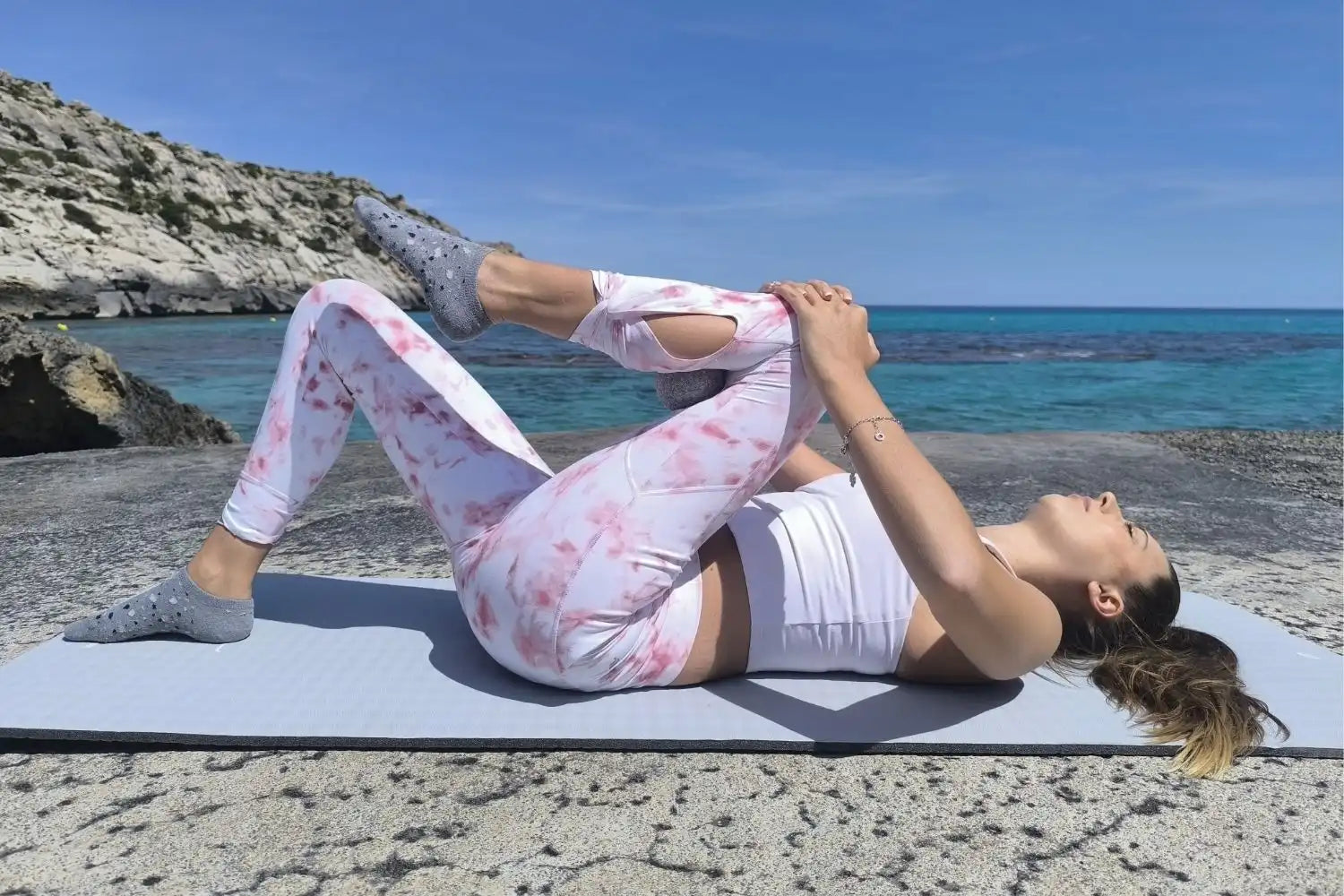
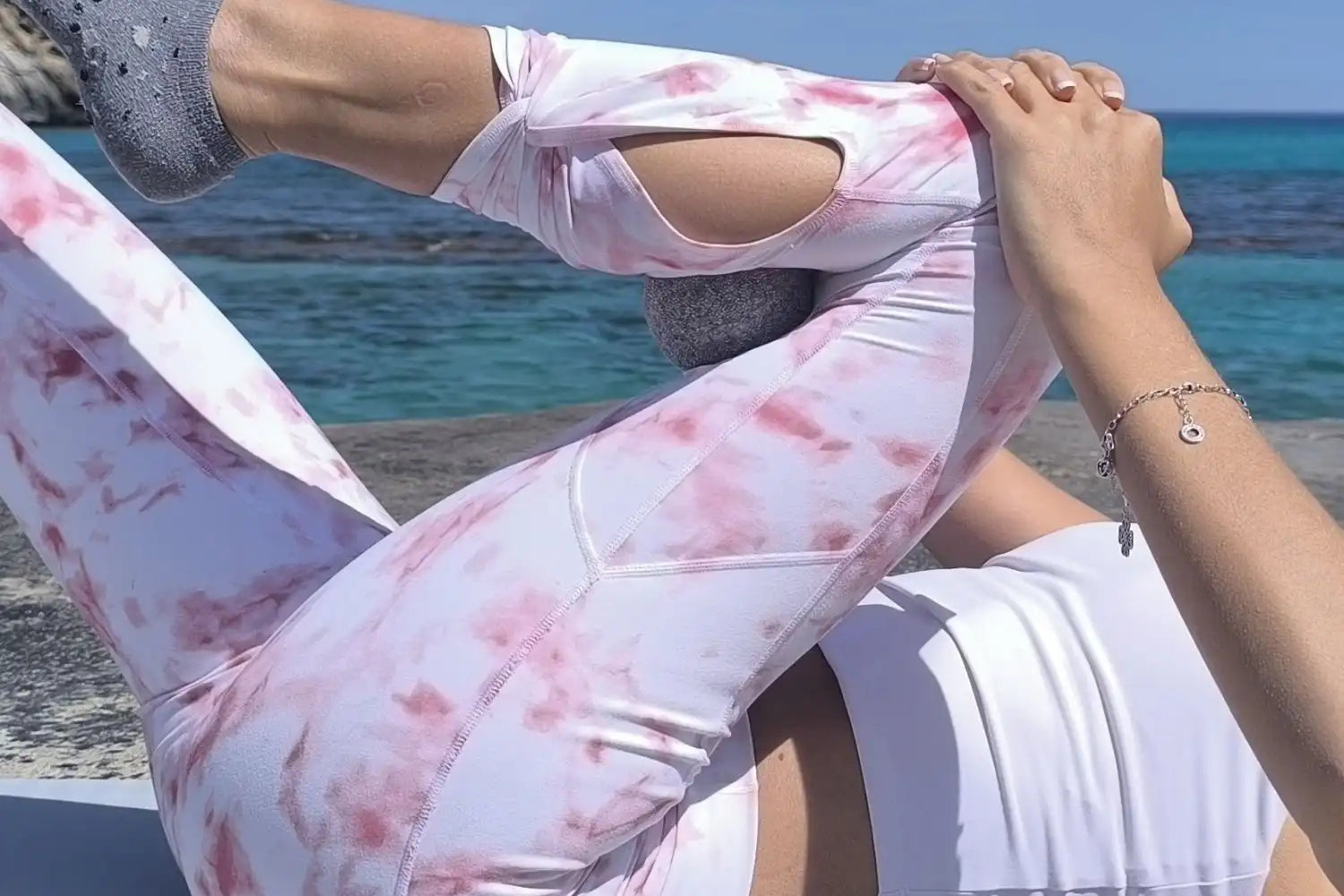
Back of Knee (Mobilisation)
Gentle knee joint mobilisation in supine position – the Massage Ball 8 in the back of the knee deepens the flexion and releases tension around the knee.
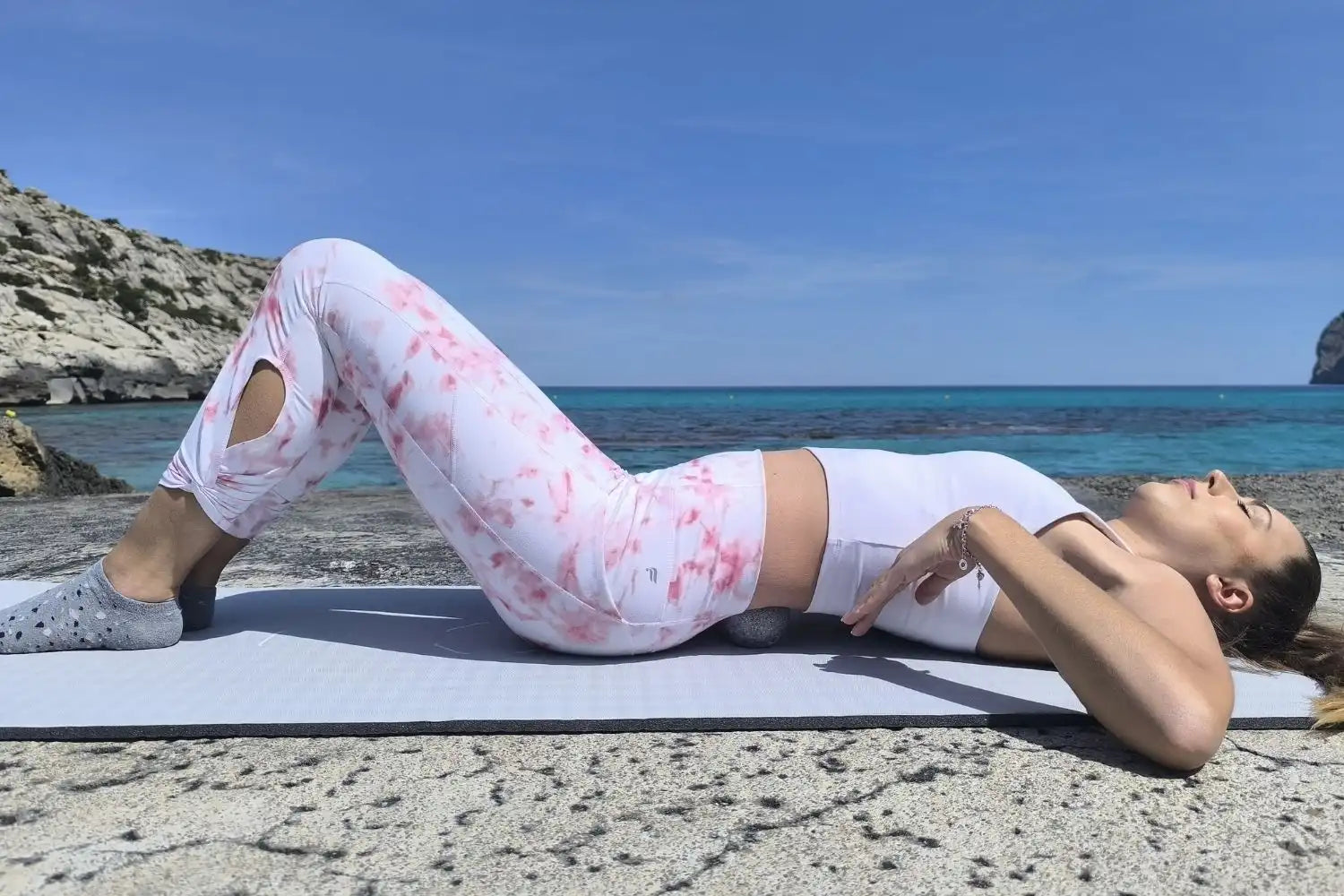
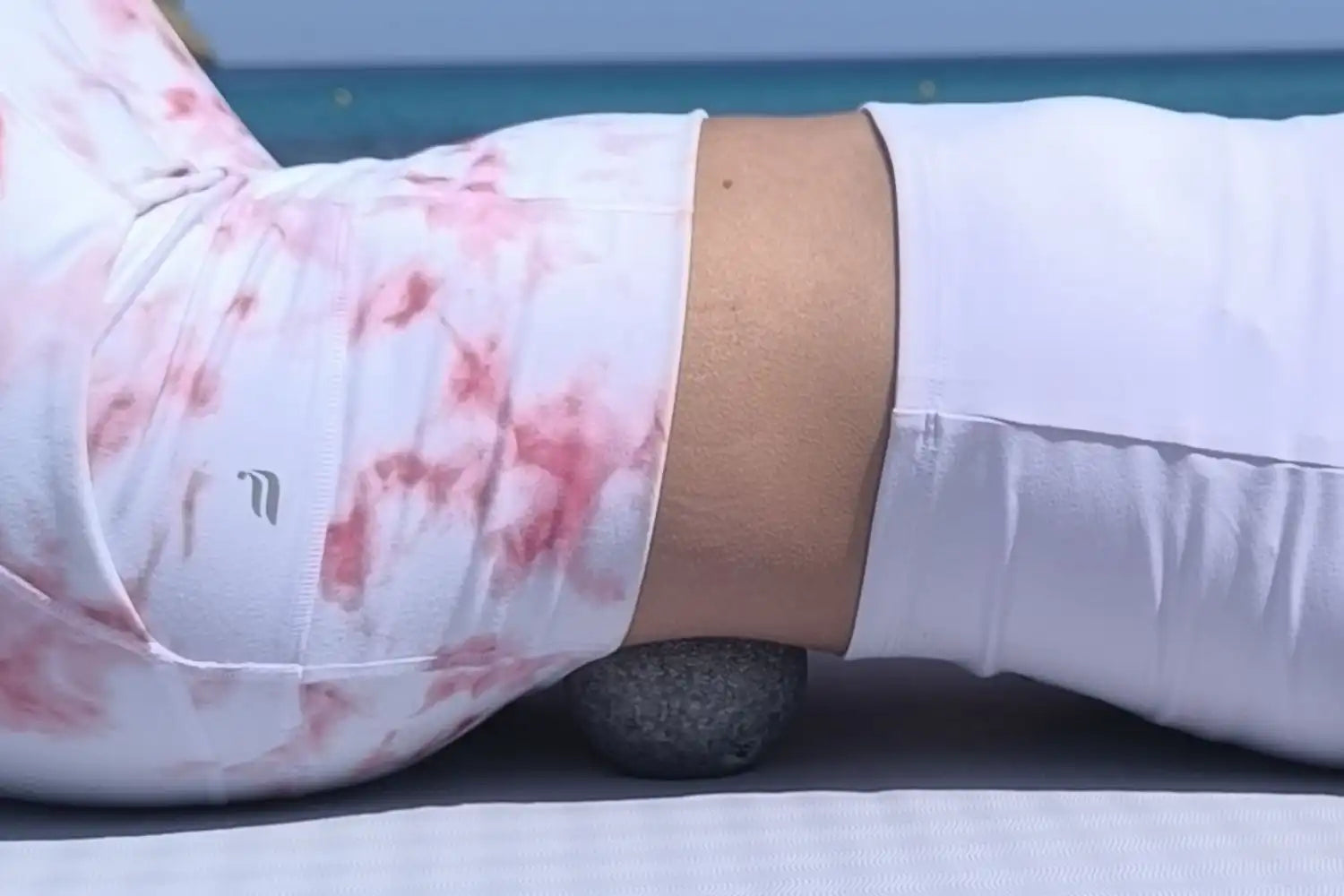
Lower Back (Trigger Point Hold)
Static trigger point hold for the lumbar region – the Duoball 8 releases stubborn knots precisely and deeply.
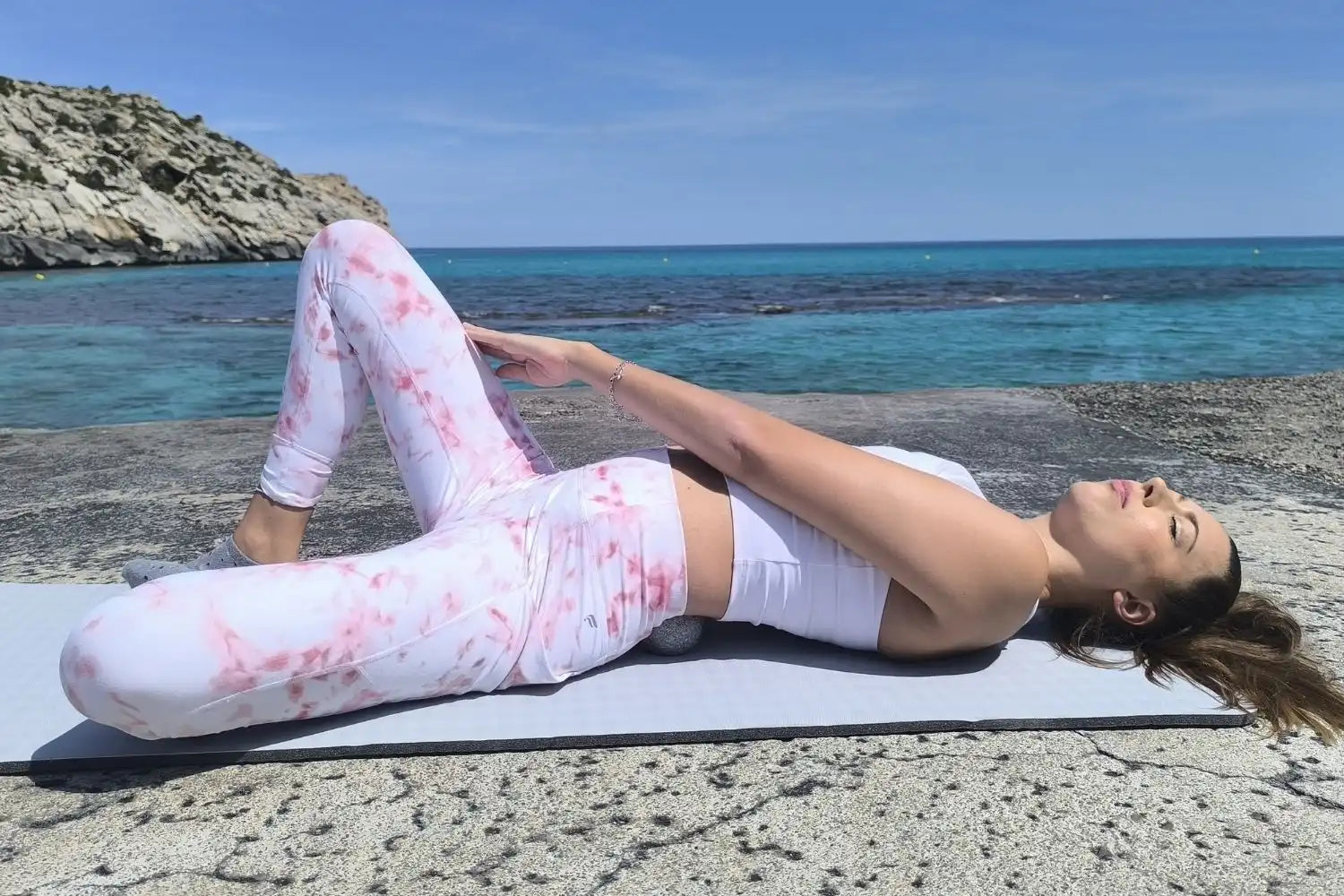
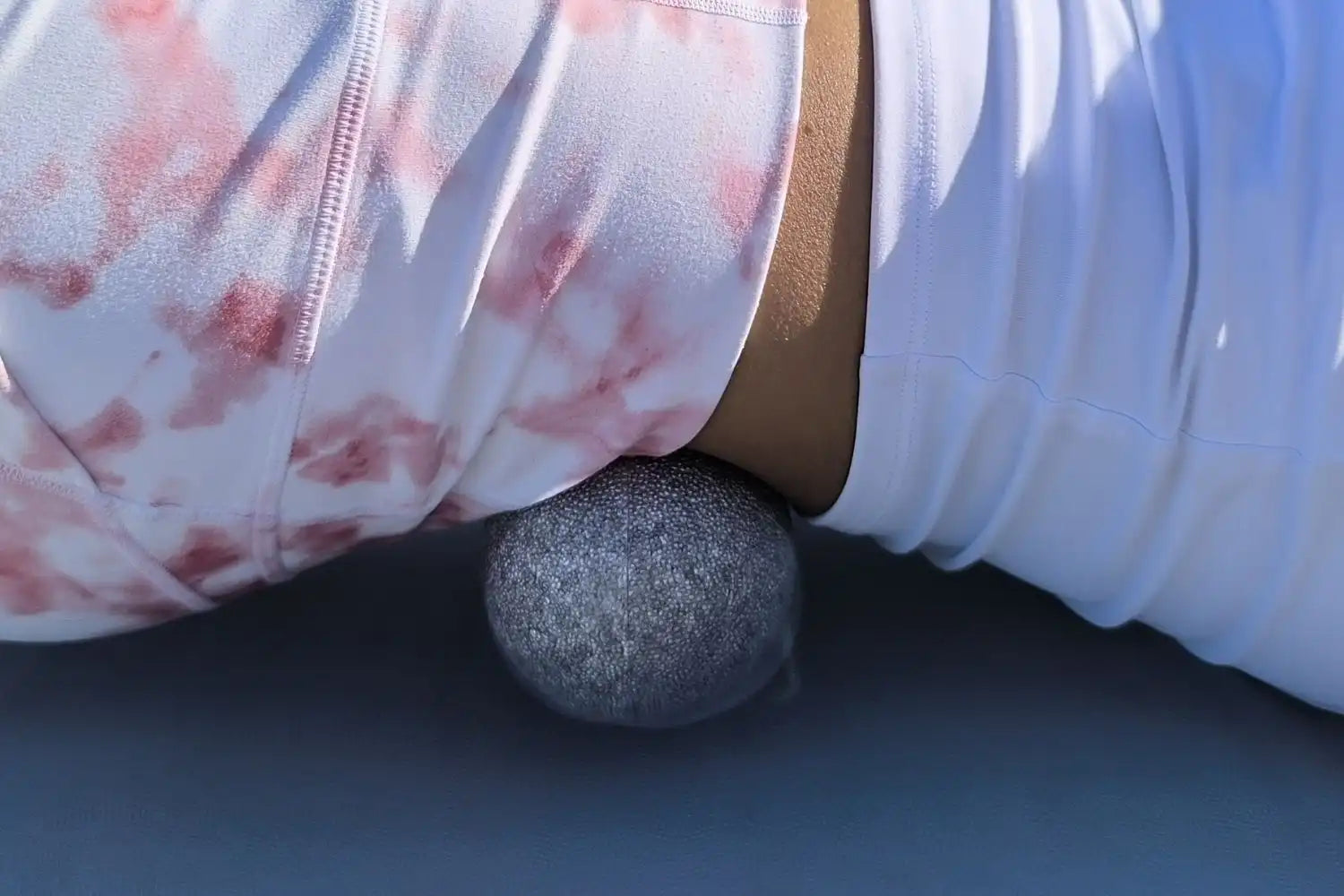
Piriformis (Figure-4 Hold)
Piriformis stretch in figure-4 position – the Duoball 8 supports the lumbar spine while the deep hip rotator is stretched.
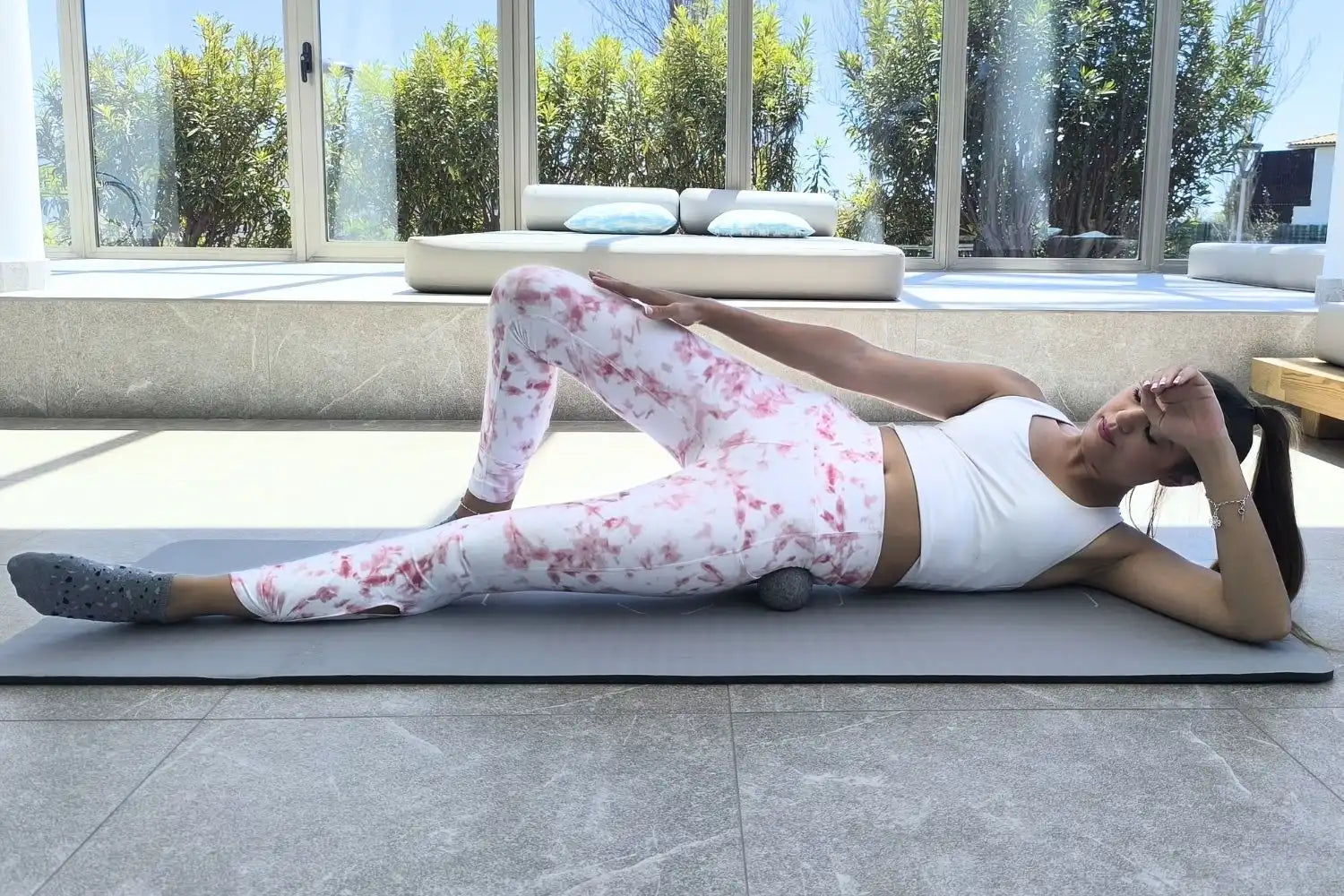
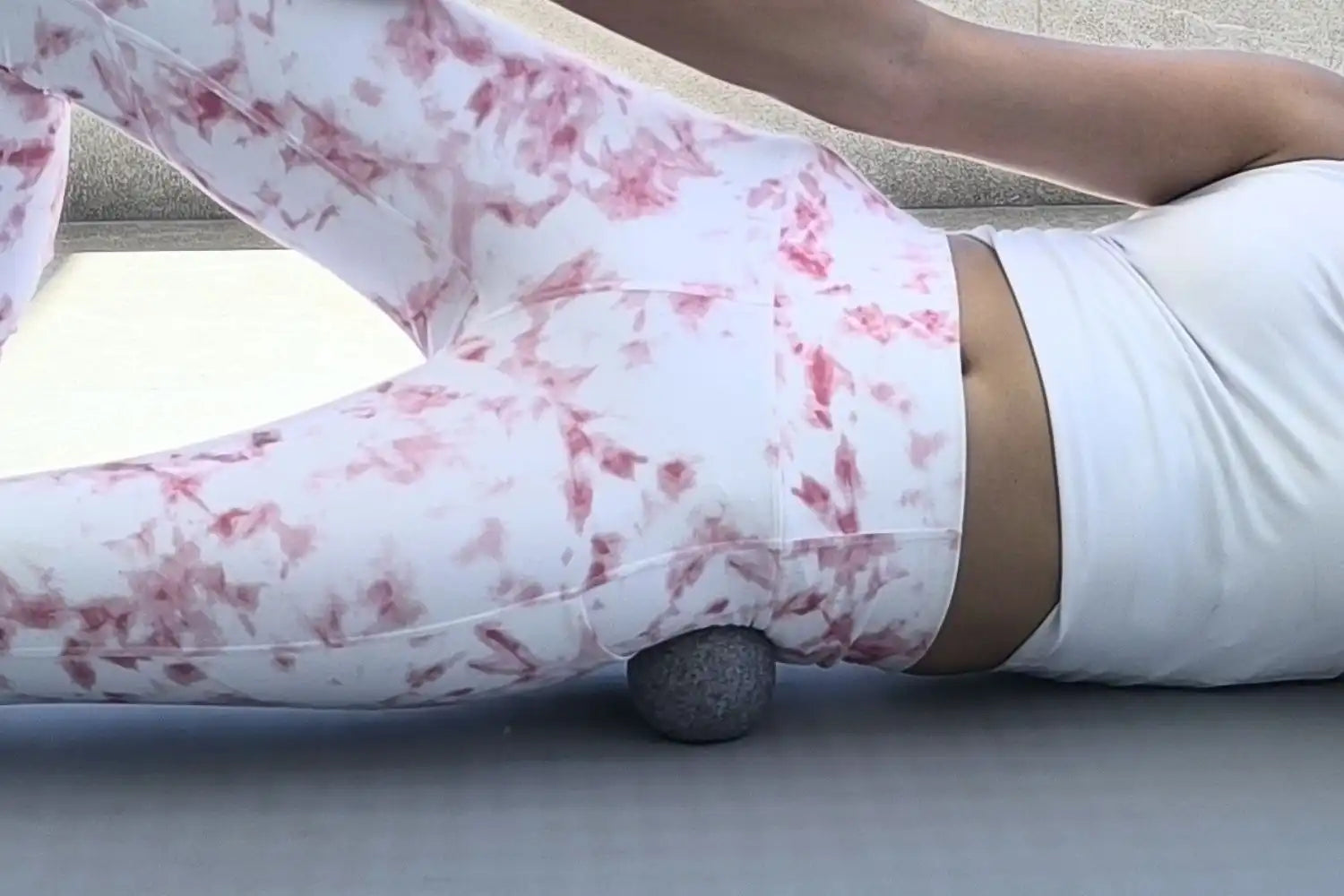
Outer Hip (Gluteus Medius)
Deep release for the lateral hip – the Massage Ball 8 eases tension in the gluteus medius and around the trochanter.
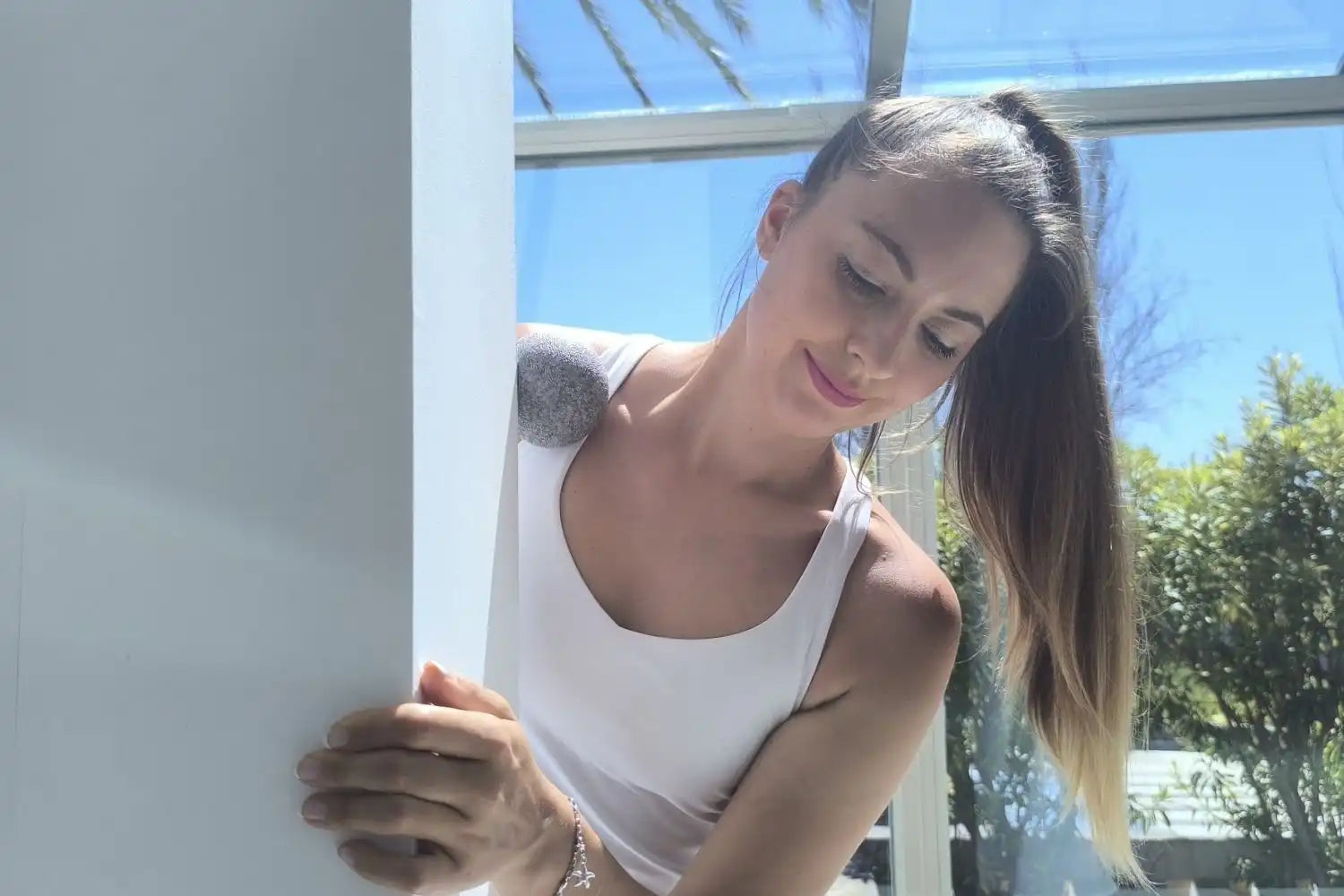
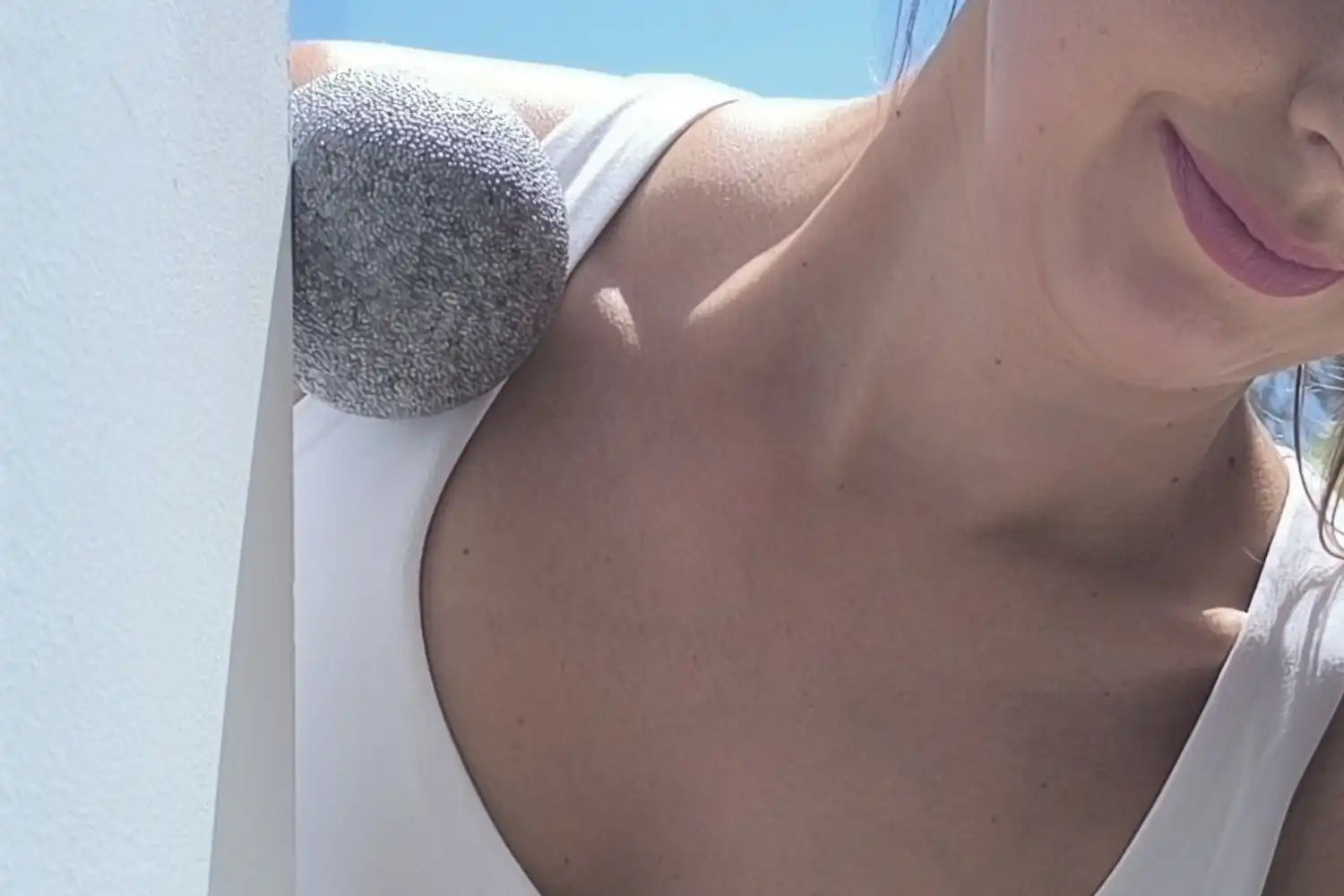
Front Shoulder (Anterior Deltoid)
Releases tension in the anterior deltoid – ideal for forward-rounded posture from screen work or intense push training.
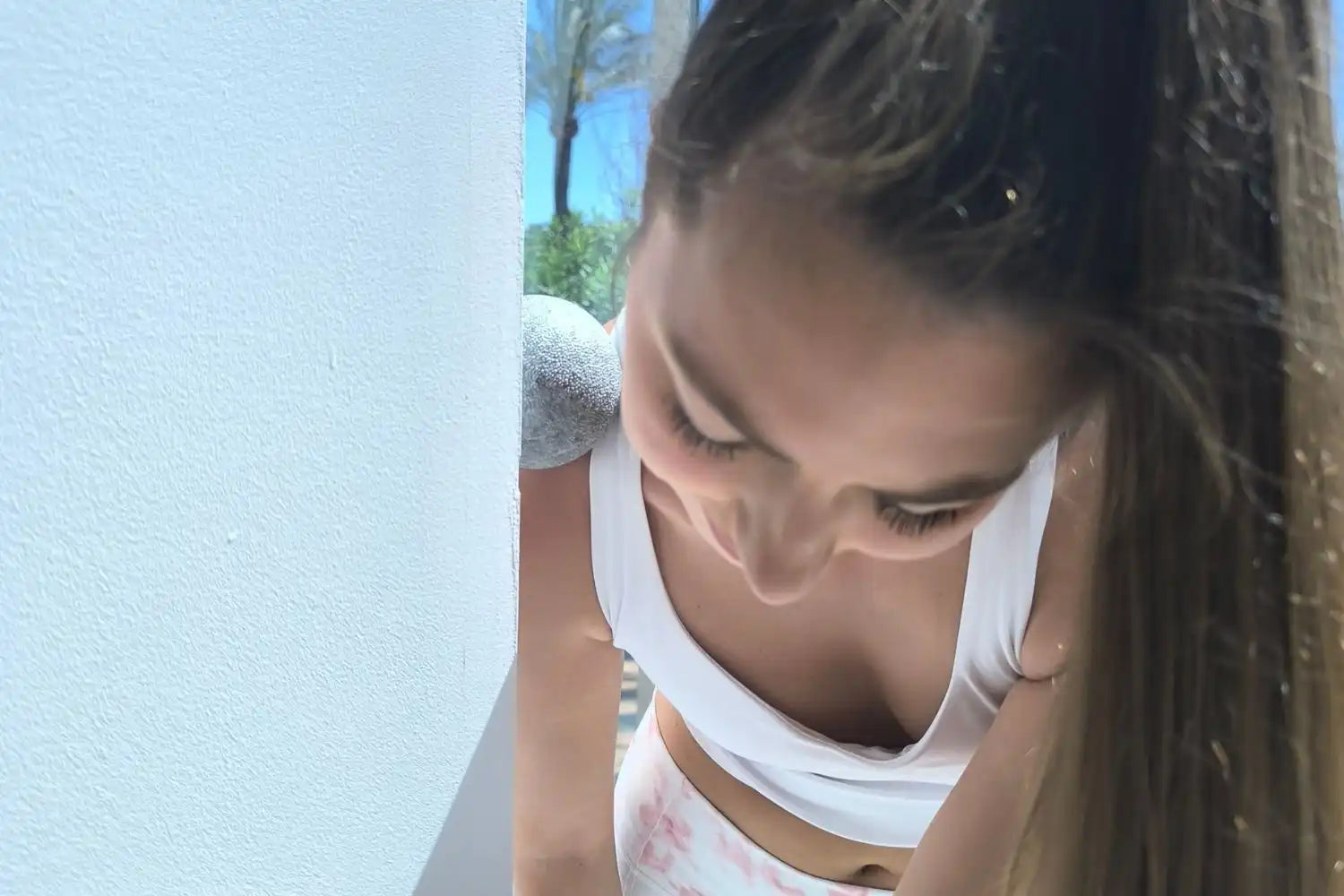
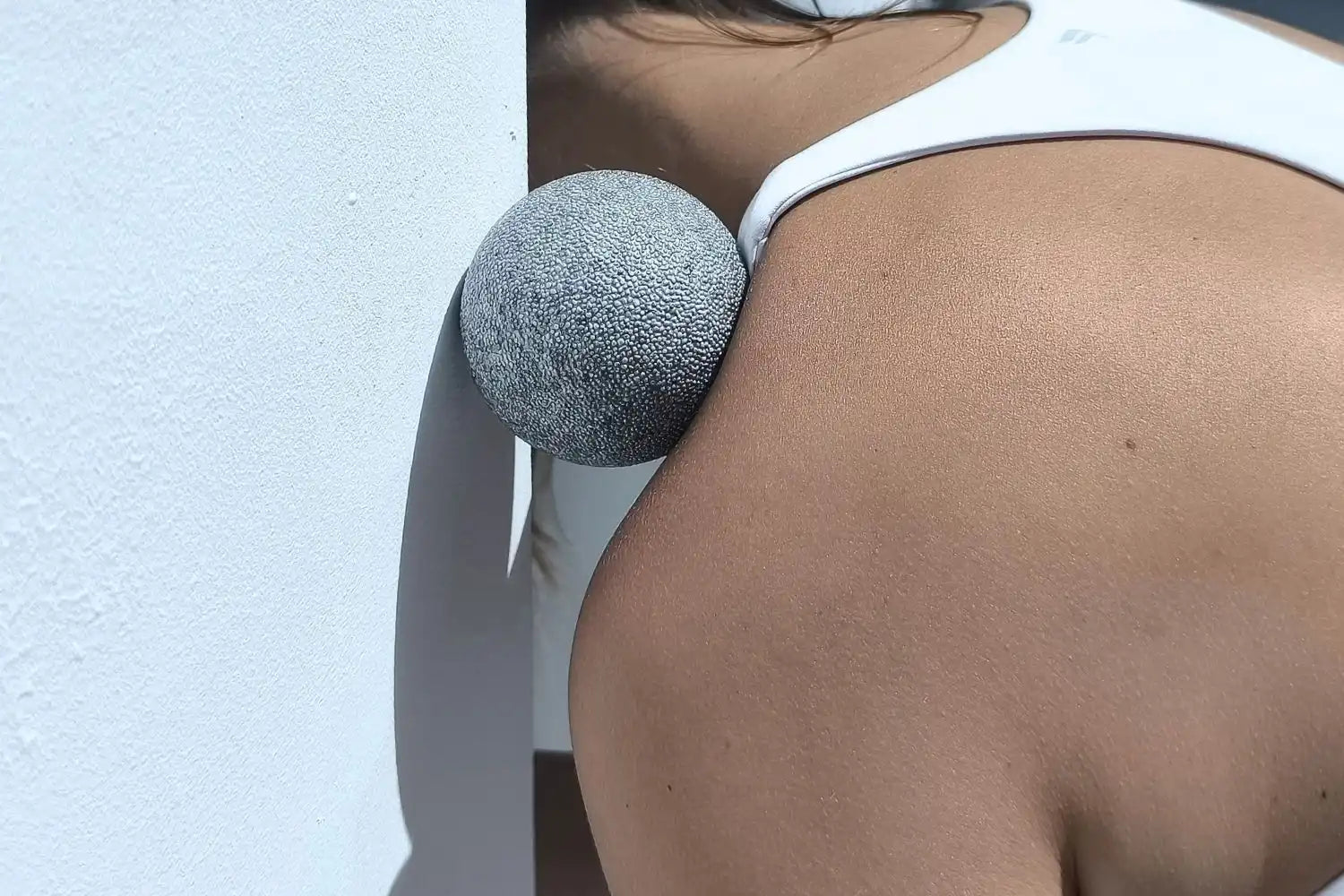
Upper Shoulder (Trapezius)
Releases tension in the upper trapezius – the classic exercise for neck-shoulder tightness and stress-related tension.
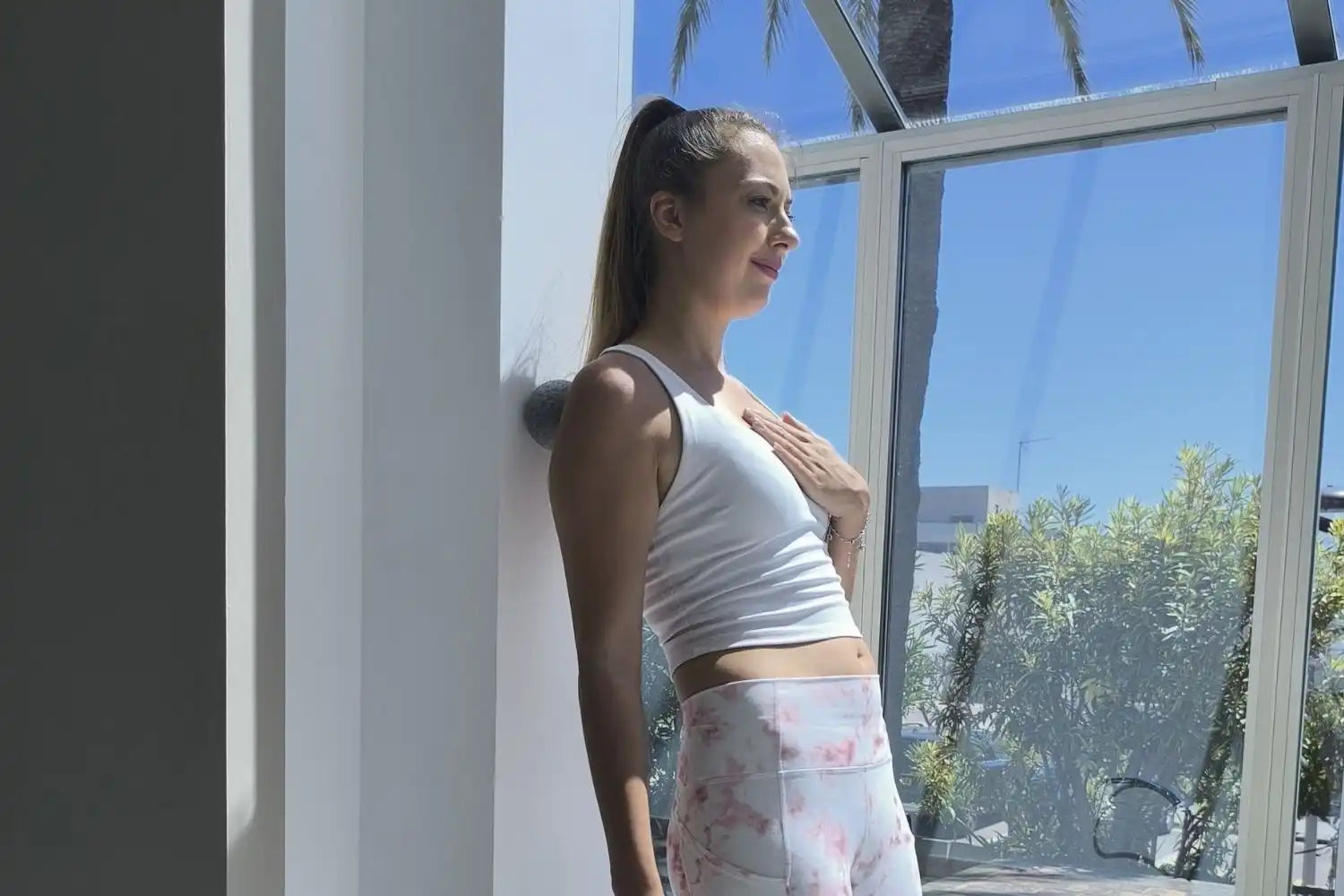
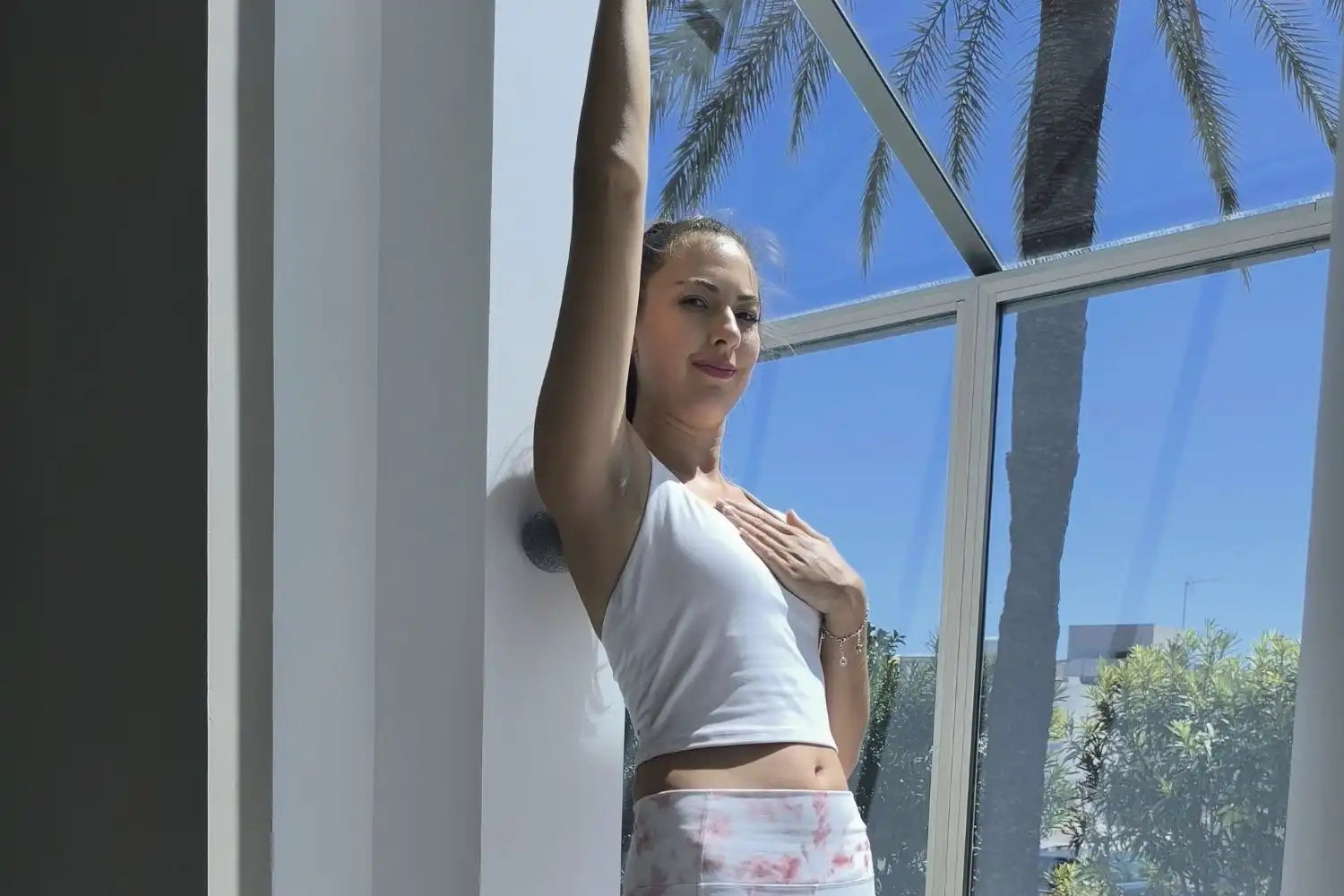
Back Shoulder (Infraspinatus)
Releases tension in the back shoulder and rotator cuff – important for throwing athletes and people who sit a lot.
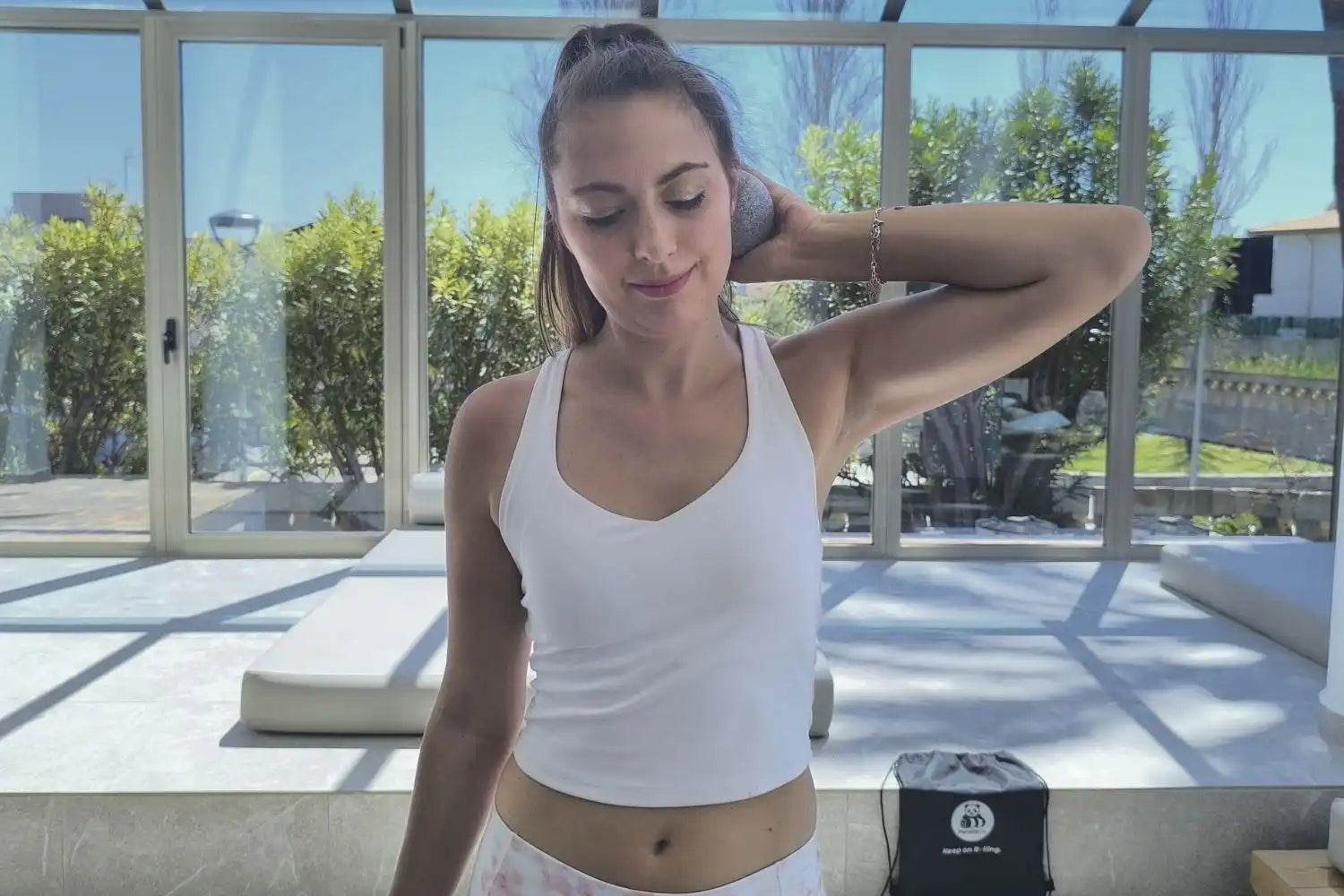
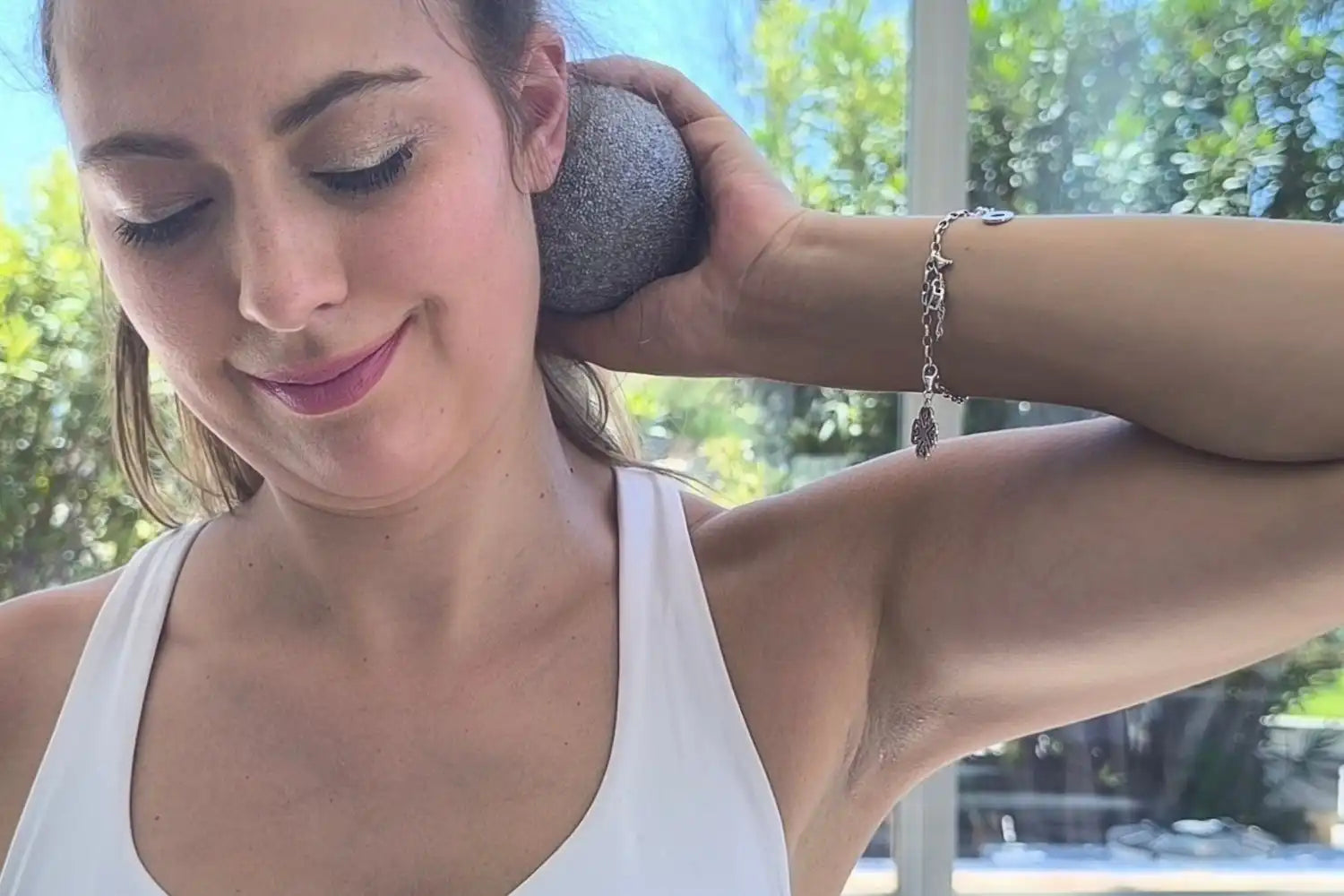
Neck (Base of Skull)
Self-massage at the upper neck – releases tension that often leads to neck stiffness and tension headaches.
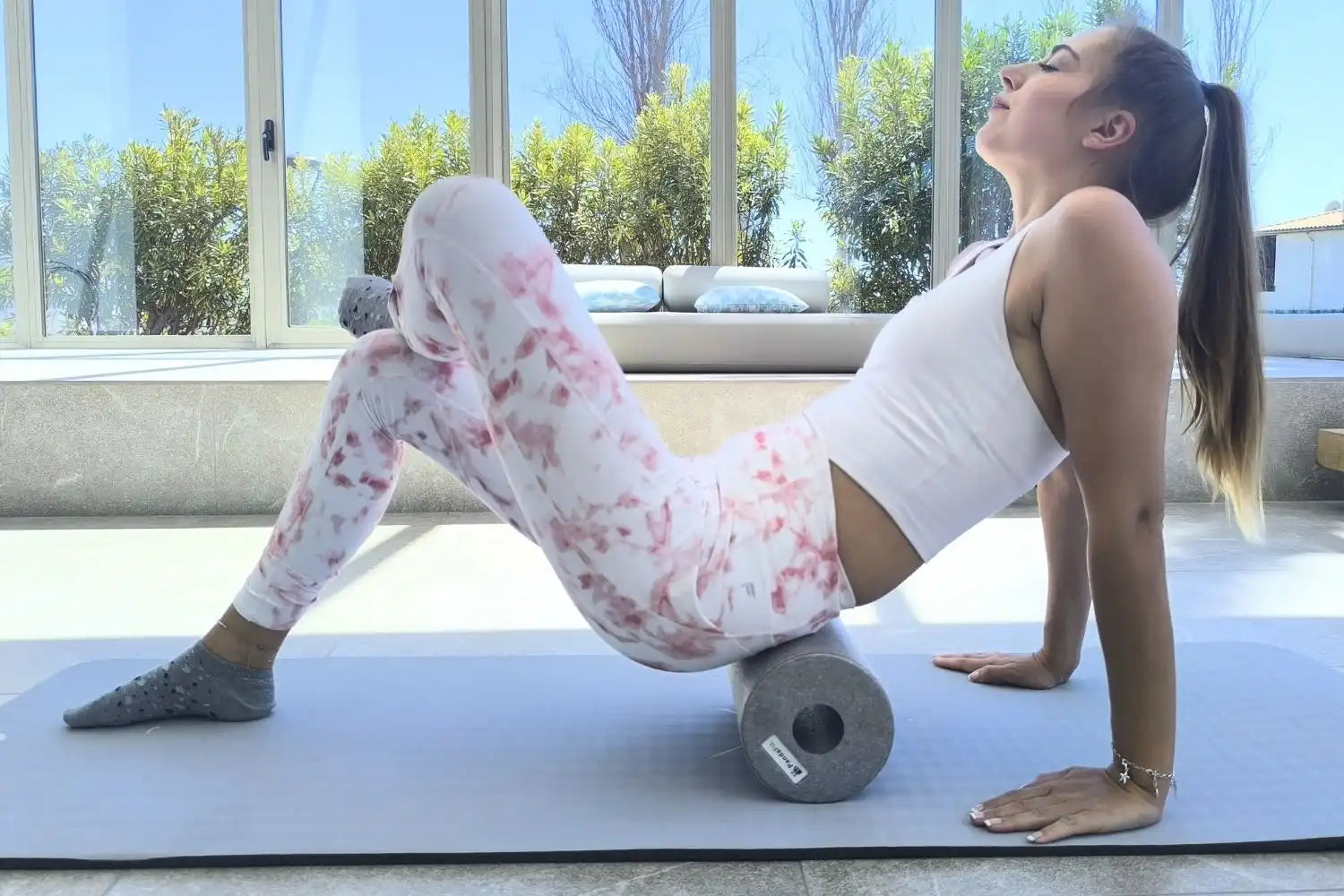
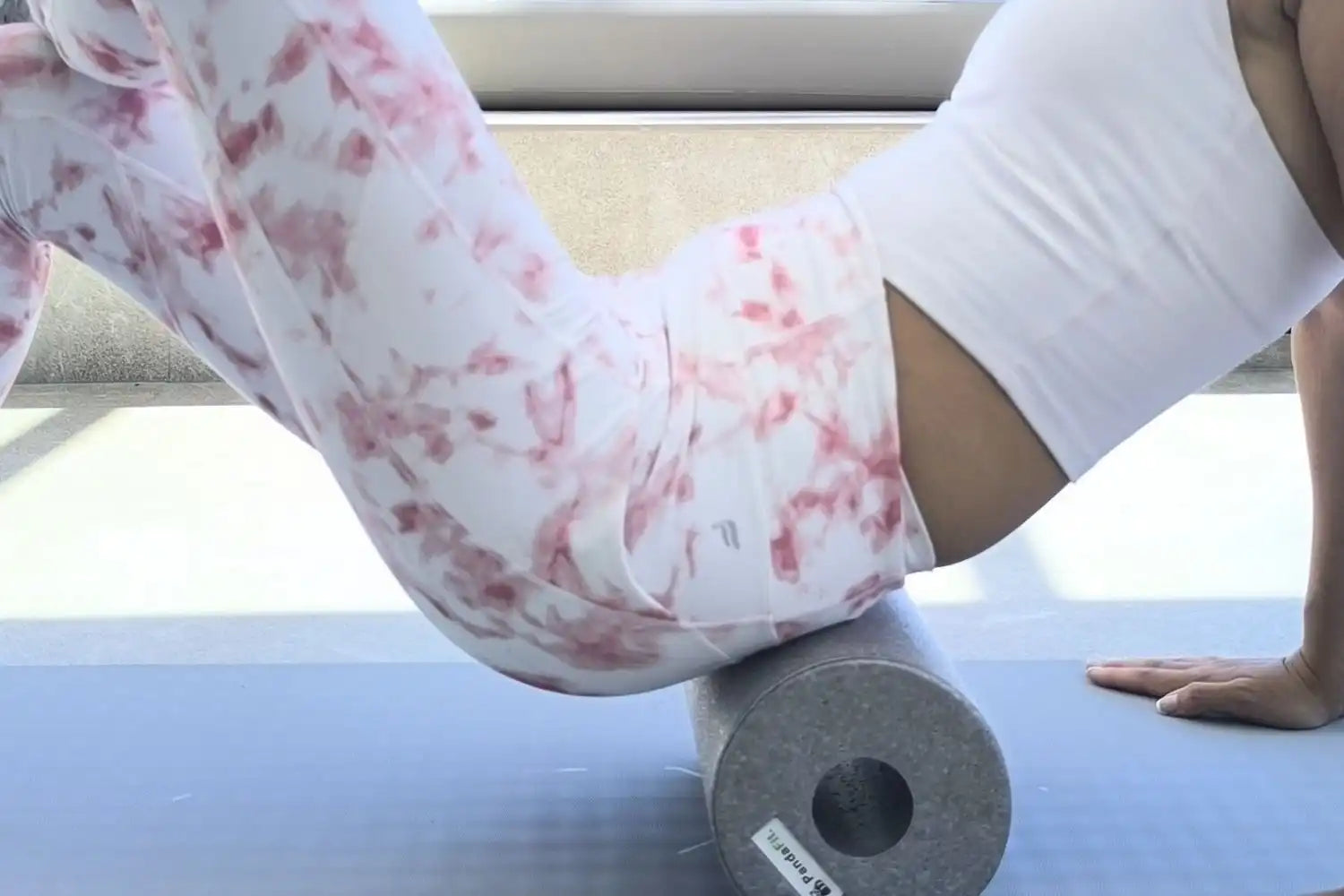
Glutes (Recovery)
Broad-surface massage of the gluteus maximus – ideal after long periods of sitting or as a cooldown after leg training.
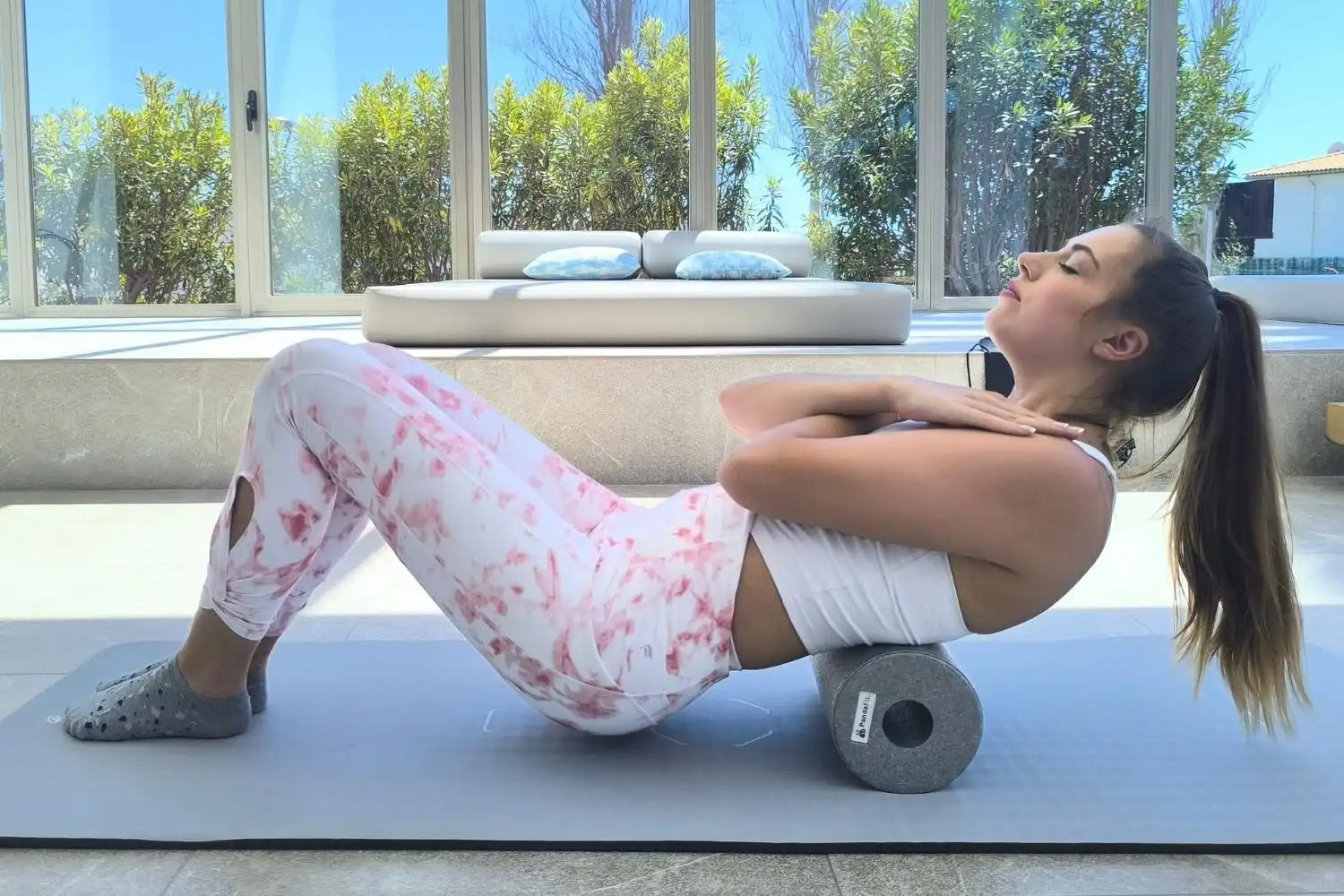
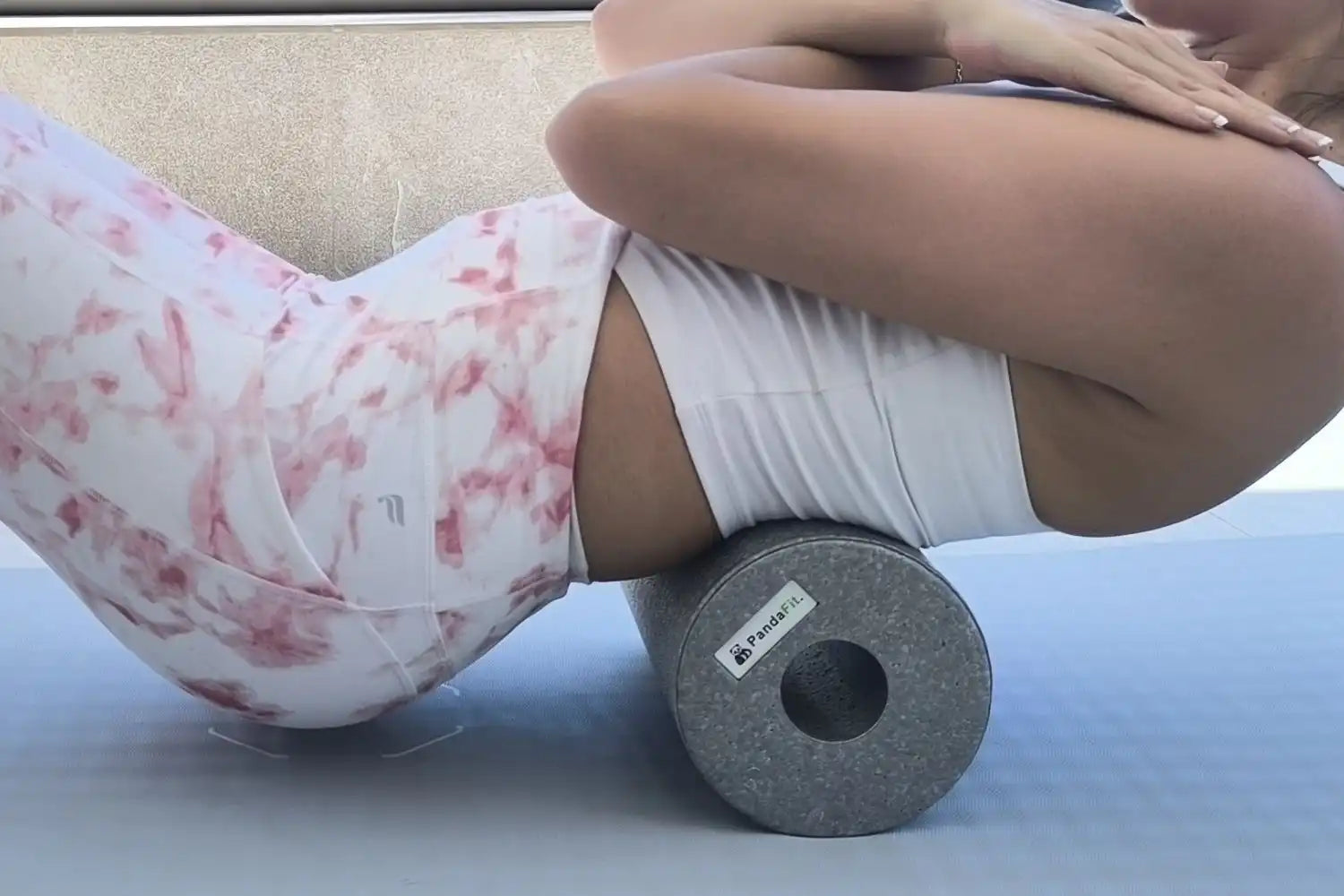
Upper Back (Thoracic Mobilisation)
Active thoracic mobilisation with raised hips – deeper effect on the thoracic spine than the standard variation.
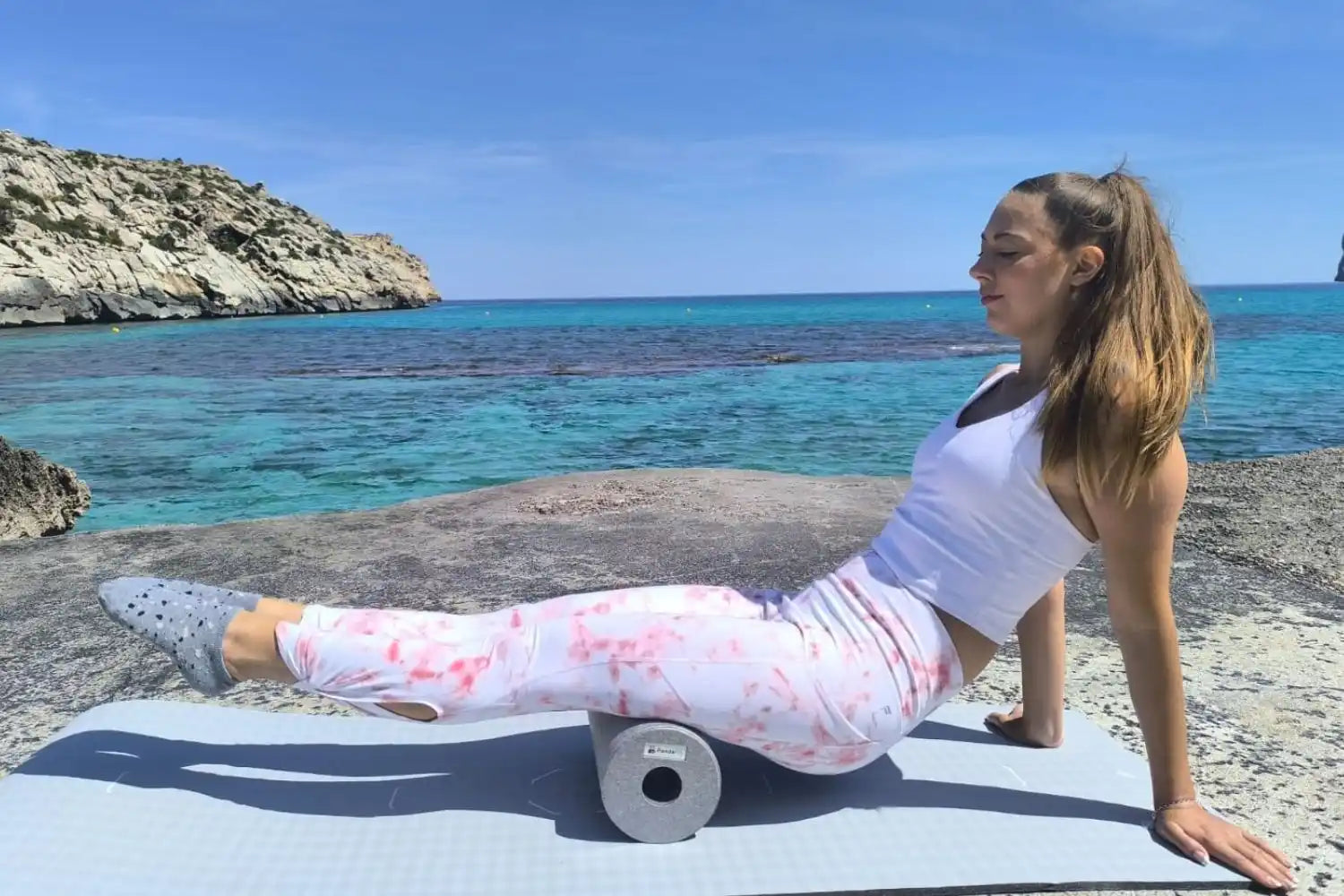
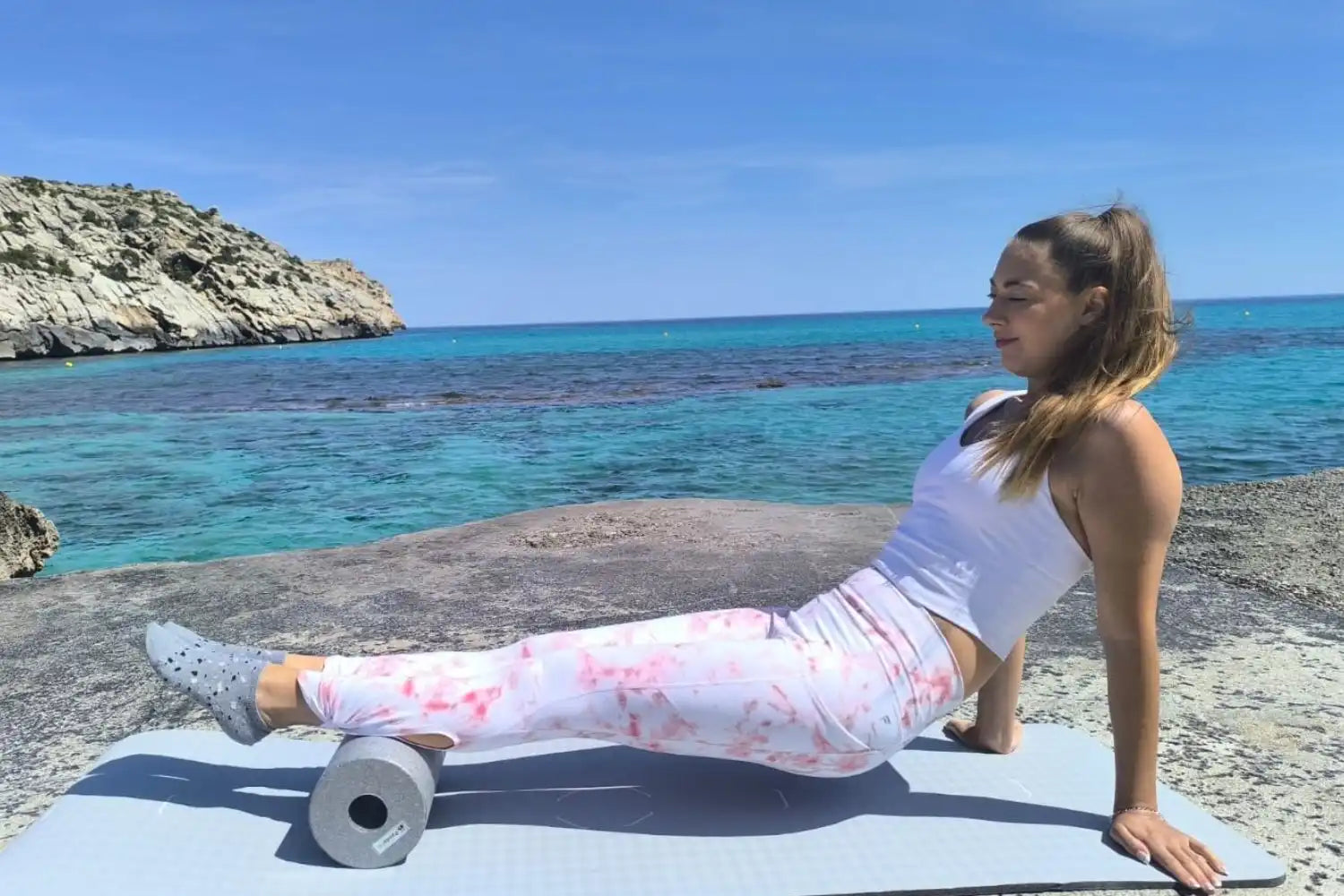
Posterior Chain (Long Stretch)
Wide-area massage of the entire posterior chain – from the calf to the hamstrings in a single roll.
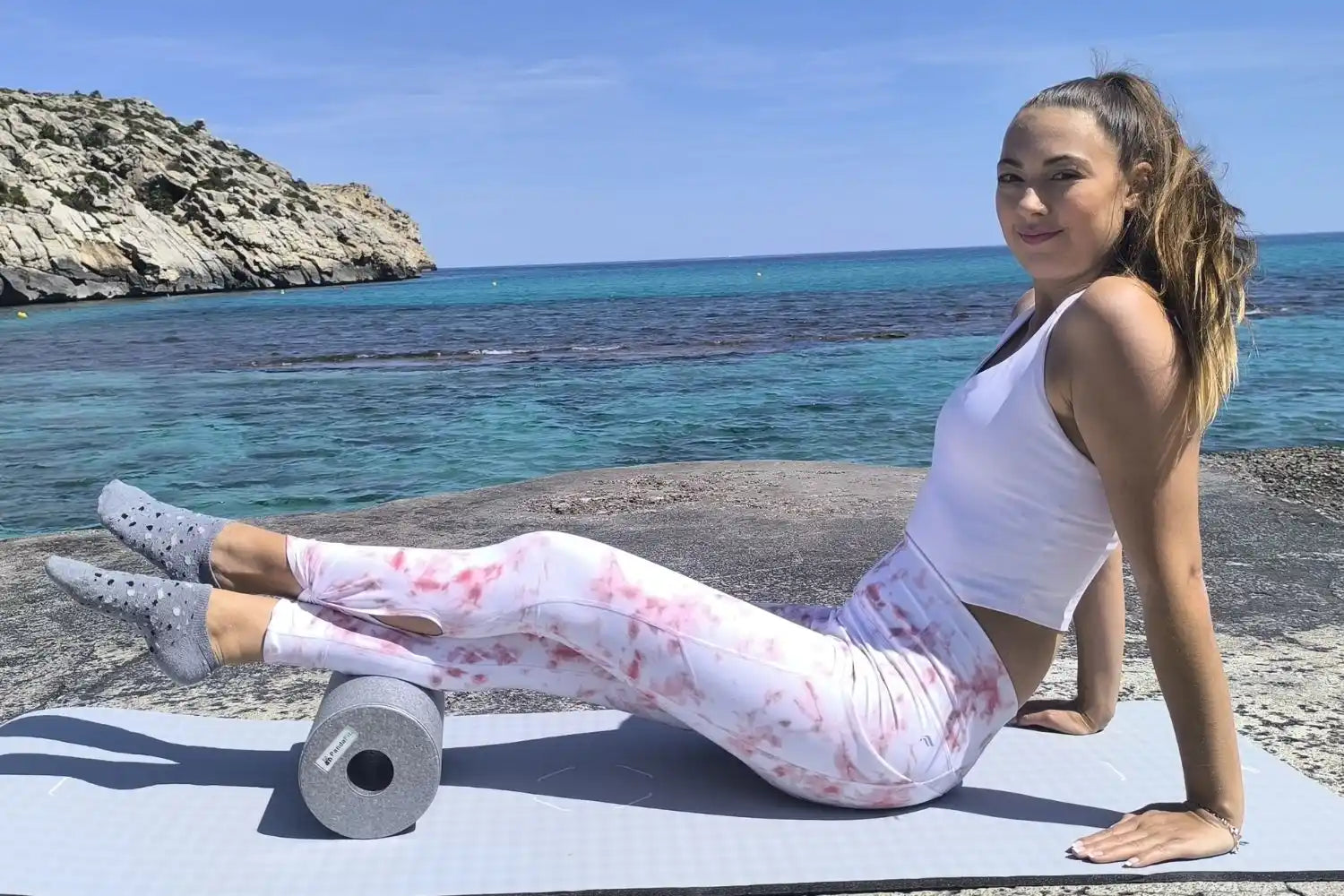
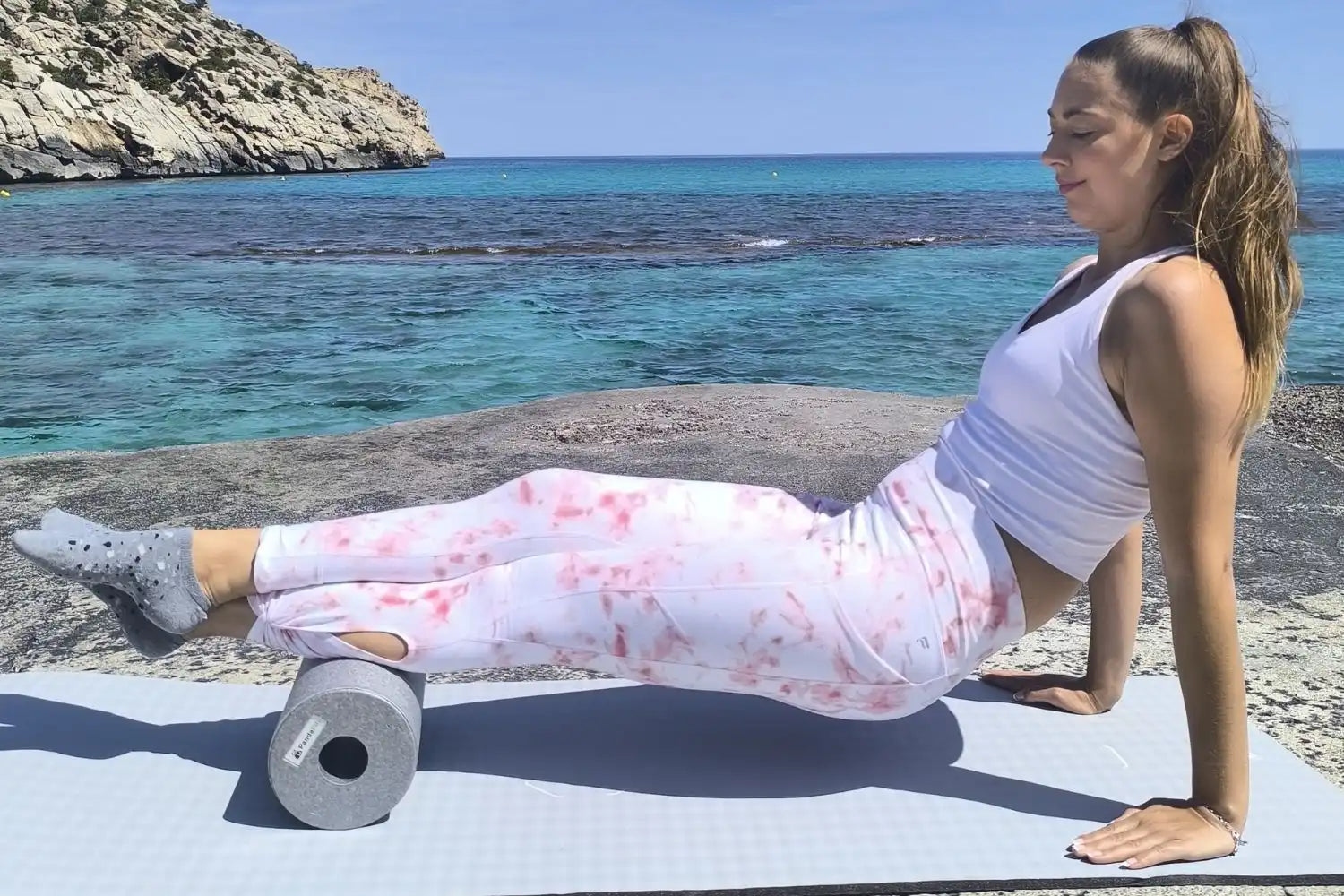
Calves (Gentle Seated)
Gentle calf massage in a relaxed seated position – ideal for beginners, seniors, and after long days of standing or running.
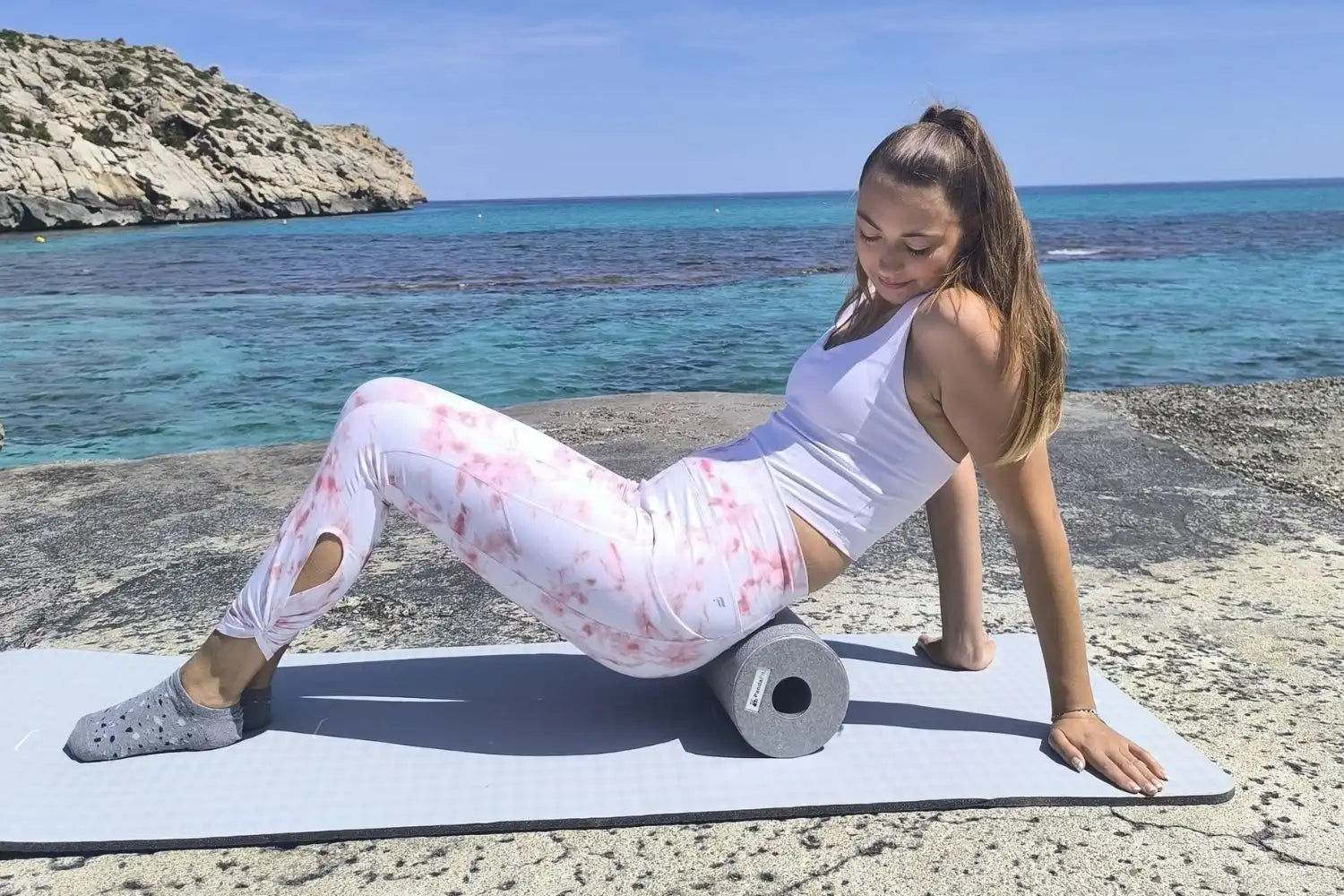
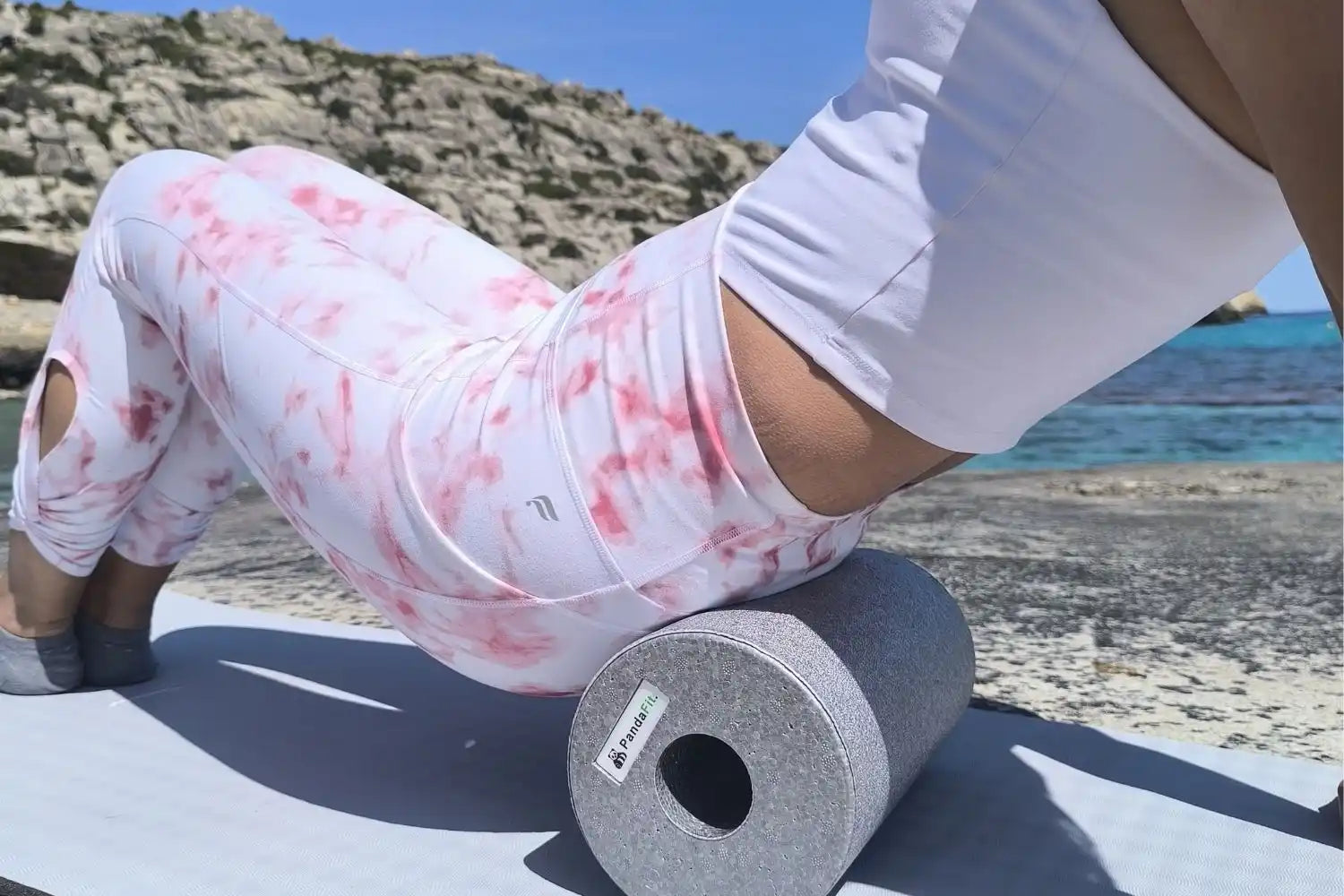
Glutes (Intense with Crossed Leg)
Intense single-side gluteus maximus massage with a crossed leg – the full body weight works on one glute half.
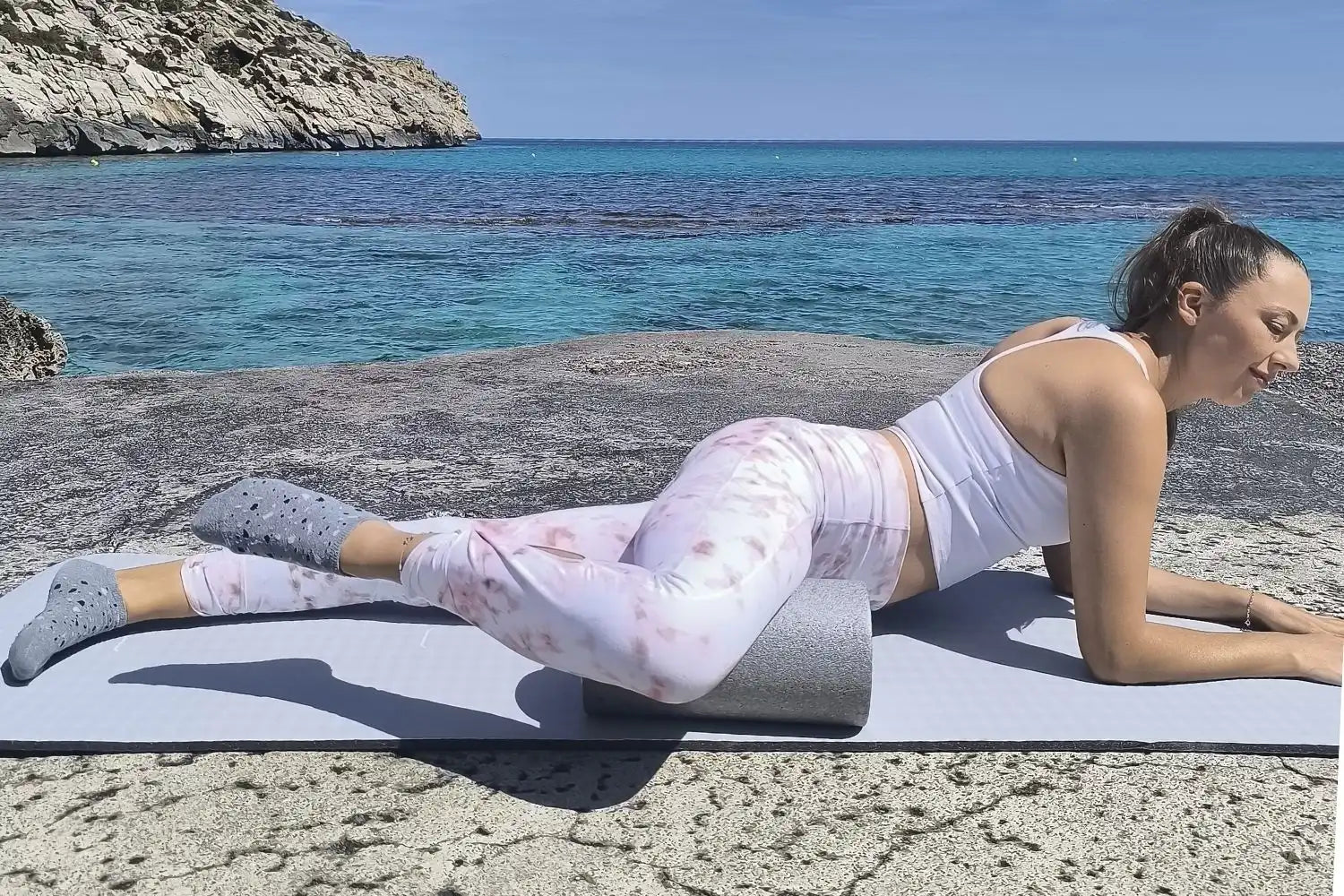
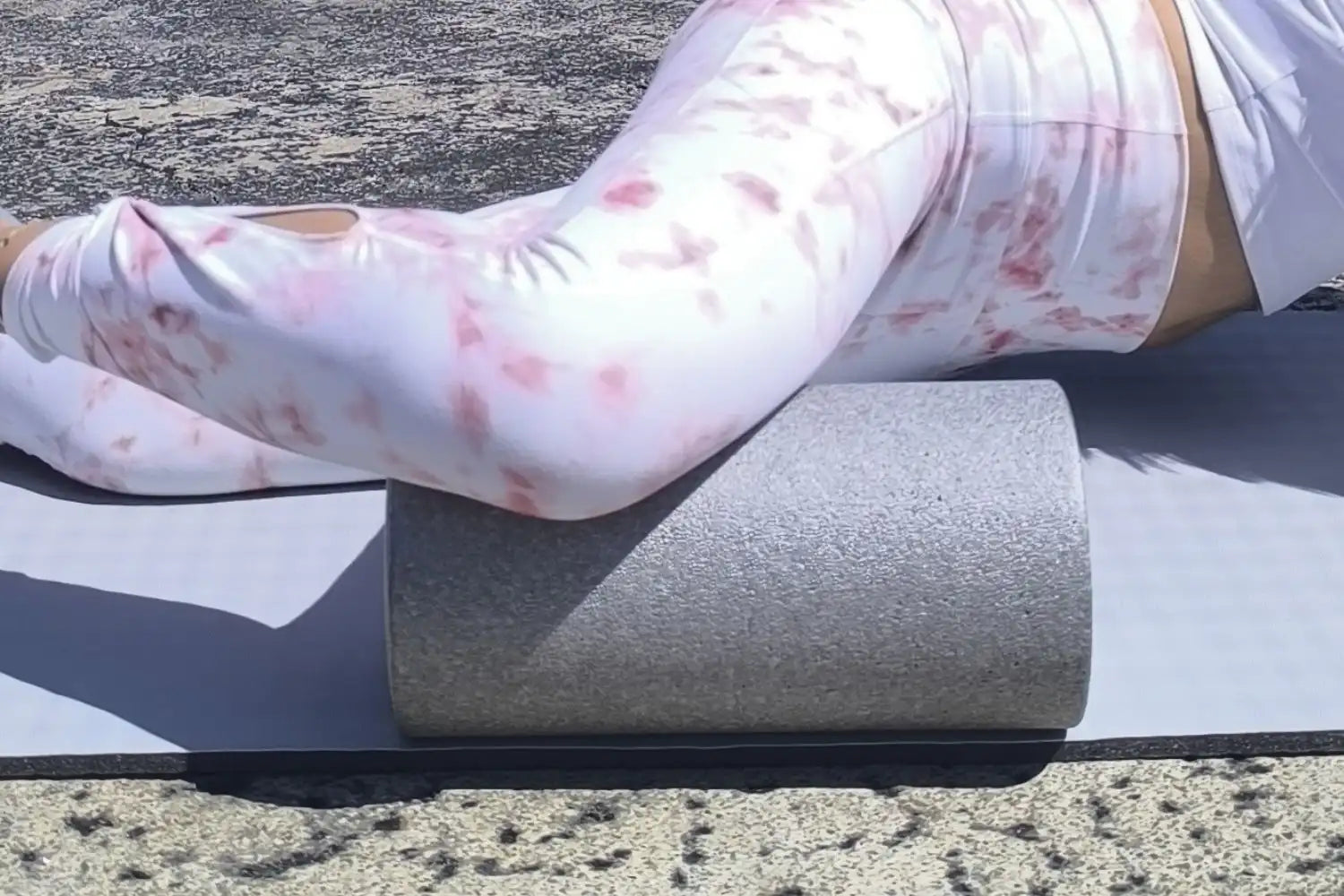
Inner Thigh (Adductors)
Massage of the adductors (inner thigh) – important for riders, runners, and people who sit a lot with shortened inner-thigh tissue.
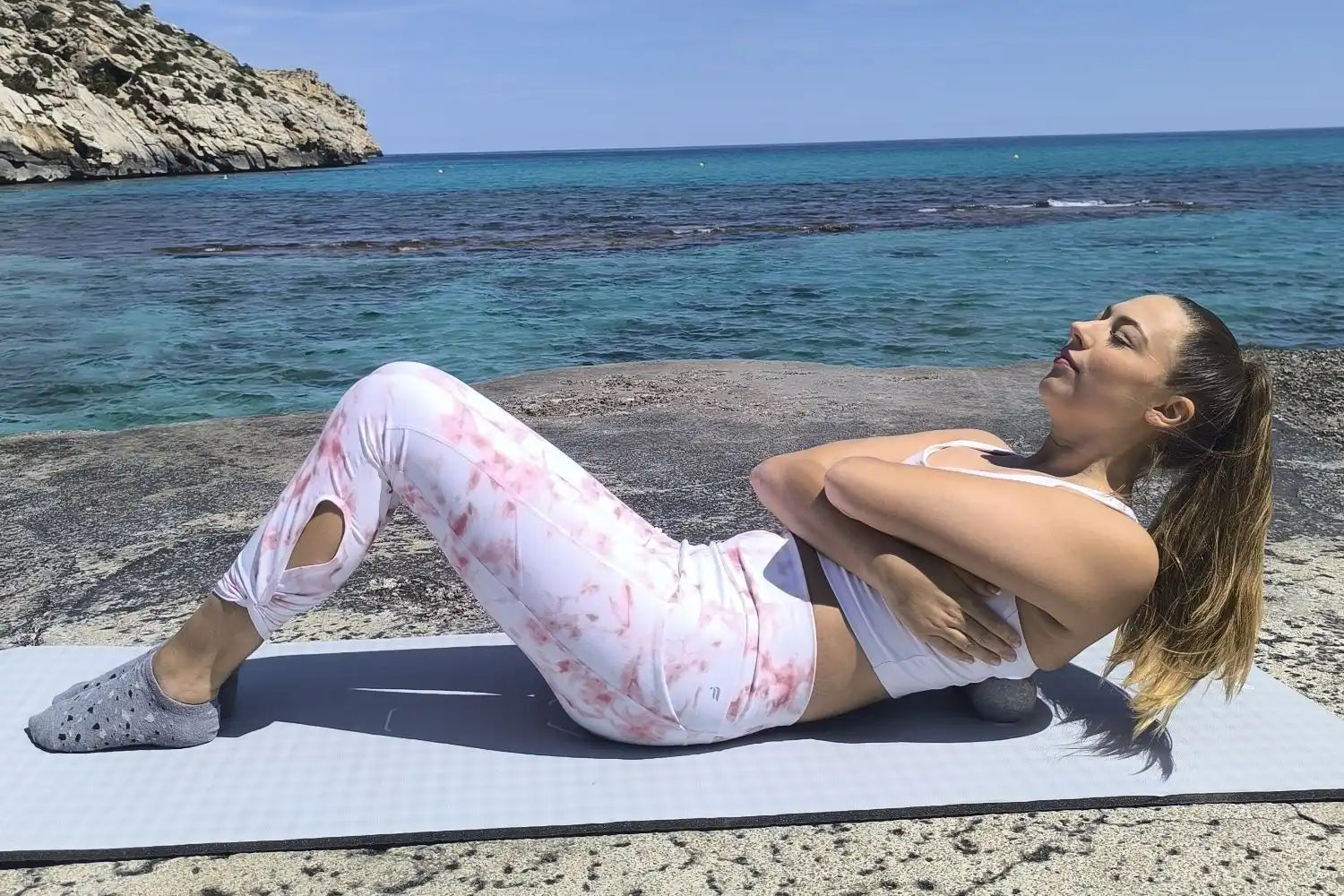
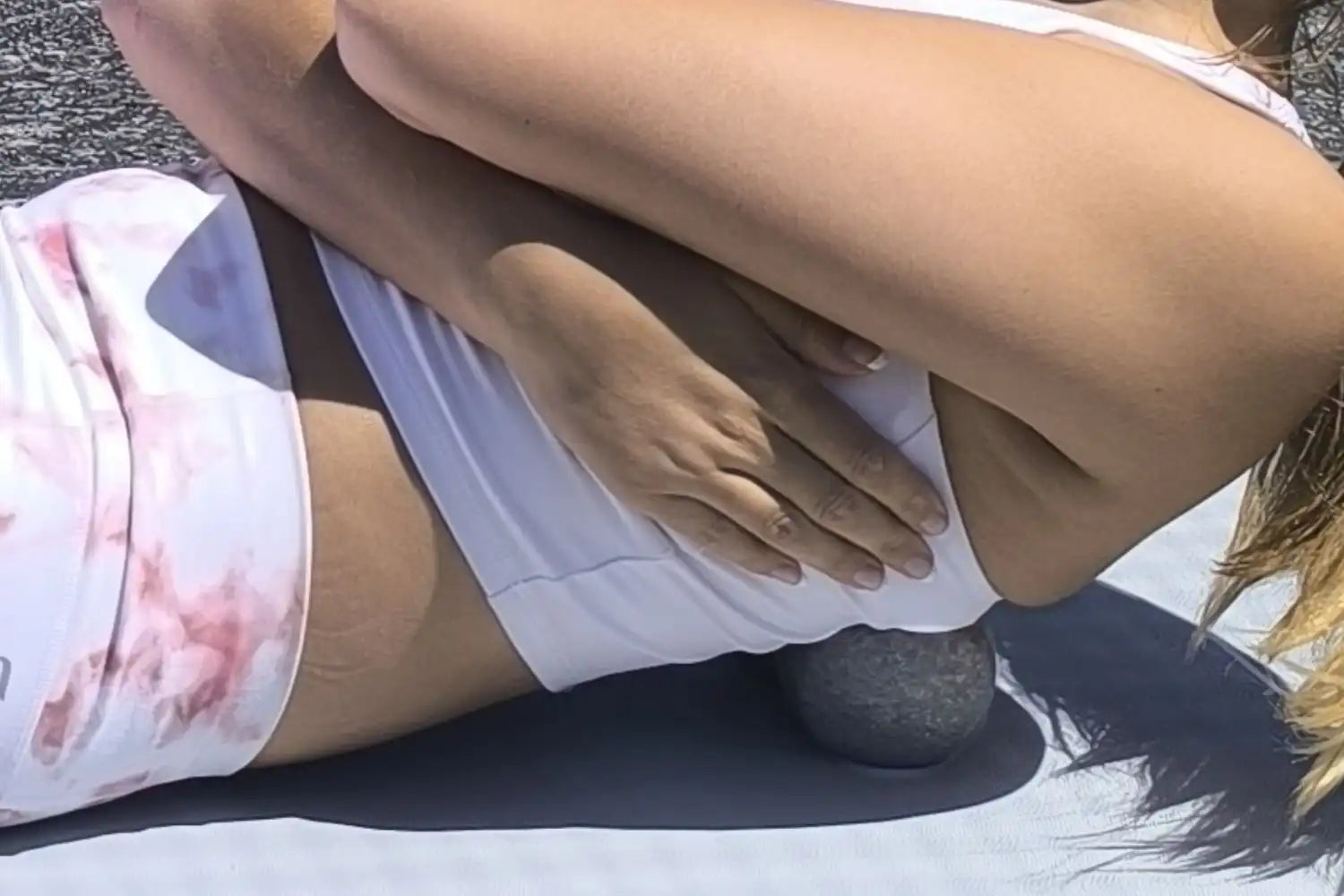
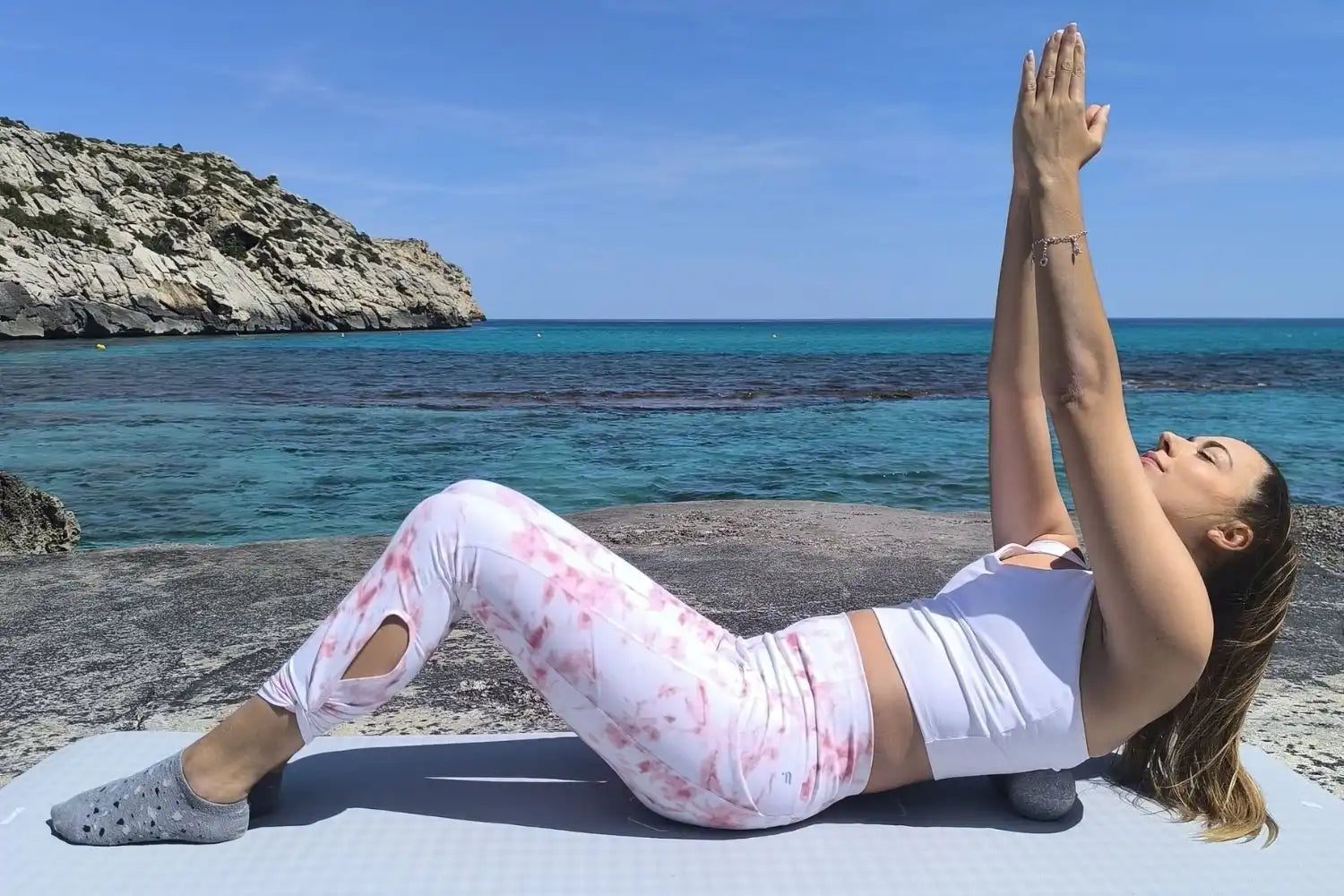
Thoracic Spine (Crunch Mobilisation)
Active thoracic mobilisation with a small crunch – combines DuoBall pressure with targeted segmental movement.
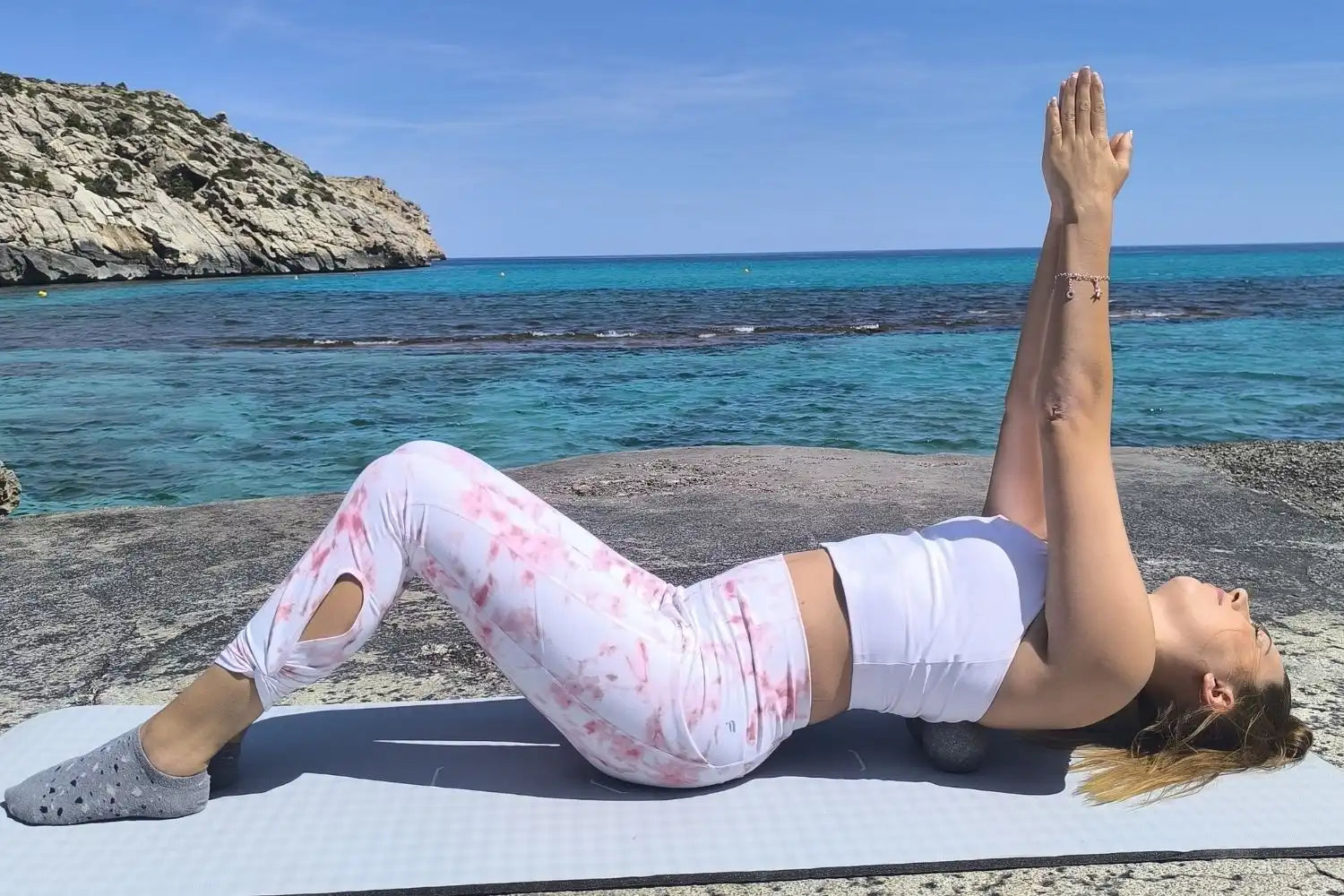
Thoracic Spine (Chest Opener)
Thoracic mobilisation with active chest opening – arms extend overhead to bring the shoulder girdle along.
Important Before First Use
These exercises are not a substitute for medical diagnosis or physiotherapy. In the following situations, please consult a doctor or physiotherapist beforehand:
- Pregnancy: from the 2nd trimester onwards, no prone or supine exercises, no pressure on the lumbar spine or abdomen
- Acute injuries: surgery less than 6 weeks ago, fractures, wounds, skin conditions at the application site
- Blood thinners: warfarin, DOACs (e.g. Eliquis, Xarelto), haemophilia, thrombocytopenia – increased risk of haematoma
- Thrombosis risk: recent immobilisation, long-haul flights, hormonal contraception with risk factors – no pressure massage on calf or back of knee
- Active cancer: no pressure on tumour or metastasis-suspect regions
- Diabetic polyneuropathy: reduced pain perception – risk of injury through overdosing
- Osteoporosis: caution with spinal hyperextension on the roller
- Children under 14: only under adult supervision
Tip: Drink 1–2 glasses of water after each session – this supports the removal of metabolic by-products released during fascia work.
Stop Immediately If
Stabbing or sharp pain · tingling, numbness or burning · radiating pain into arms or legs · dizziness, visual disturbances, nausea · pulsing pressure sensation · shortness of breath or rapid heartbeat. Stop the exercise at the first sign – with persistent symptoms, seek medical advice.
Find the Right Product
Our foam rollers, Duoballs and massage balls are designed specifically for these exercises.
Shop Now →